
Apple Presentation: First Apple M1 Processor and New MacBook Air, Pro and Mac mini on ARM
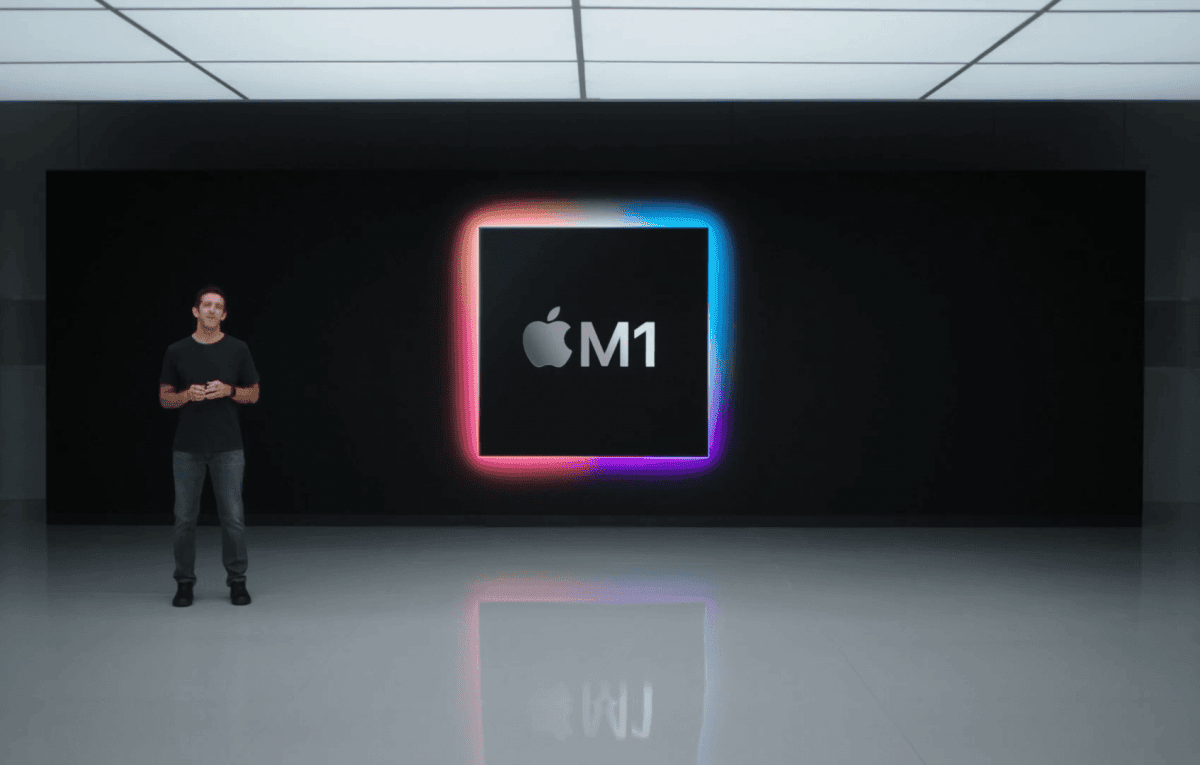
macOS Big Sur release on November 12, new Macs on sale from November 16.
On Tuesday, November 10, Apple held its third online autumn presentation, dedicated to new Mac devices and its first Apple Silicon processor. Almost a month ago, on October 13, the company introduced 4 new iPhones.
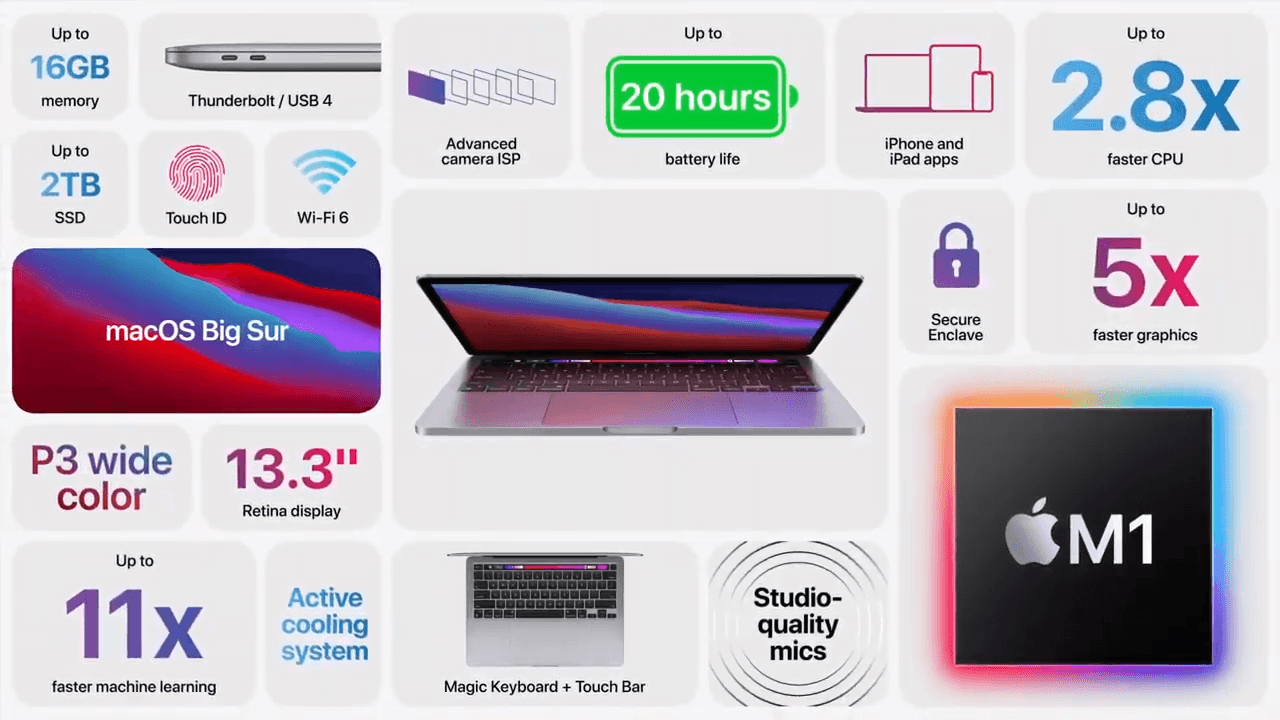
M1 became Apple Silicon's first ARM processor for Mac. The company promises an entire "family" of such processors. The 5-nanometer chip, made with TSMC technology, has 16 billion transistors, an 8-core CPU, an 8-core GPU and a 16-core processor for neural network computing.
Apple has used Intel processors since 2005!
Apple says this is the fastest processor on the laptop market and the most efficient in terms of performance and power consumption. In addition, the M1-based system supports iOS apps, which will run even faster than on the iPhone and iPad.
The new macOS Big Sur operating system on the M1 chip is also 1.9 times "faster and more responsive." The company says the system on this processor can wake from sleep as quickly as smartphones and tablets do.
ARM MacBook Air
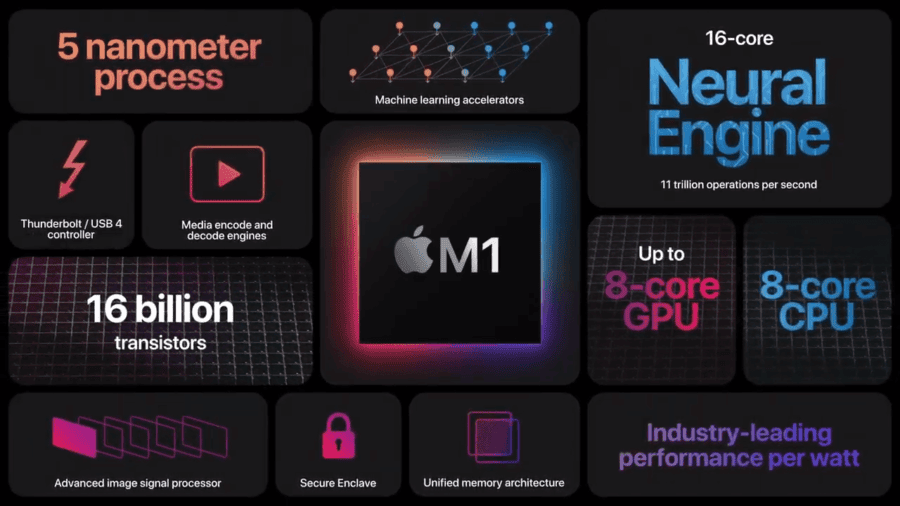
The design of the device remains the same, as does the 13.3-inch screen. The company claims the ARM MacBook Air is 3.5 times faster than the previous generation, and its graphics core is 5 times faster than the previous generation of MacBook Air. However, the company did not specify the characteristics used for the comparison.
According to Apple, the new ARM MacBook Air is faster than 98% of Windows laptops and 5 times faster than the "best-selling Windows laptop on the market." The company also promises 15 hours of battery life for web browsing and 18 hours for video playback.
Among other things, the laptop can be equipped with up to 2 TB of SSD storage and up to 16 GB of RAM. The device features 2 Thunderbolt ports with USB 4 interface, Wi-Fi 6 support and Touch ID. The price remains unchanged, starting at $999 for the 8/256 GB version.
A significant drawback of the laptop may be its passive cooling, as there are no fans inside.
ARM MacBook Pro 13
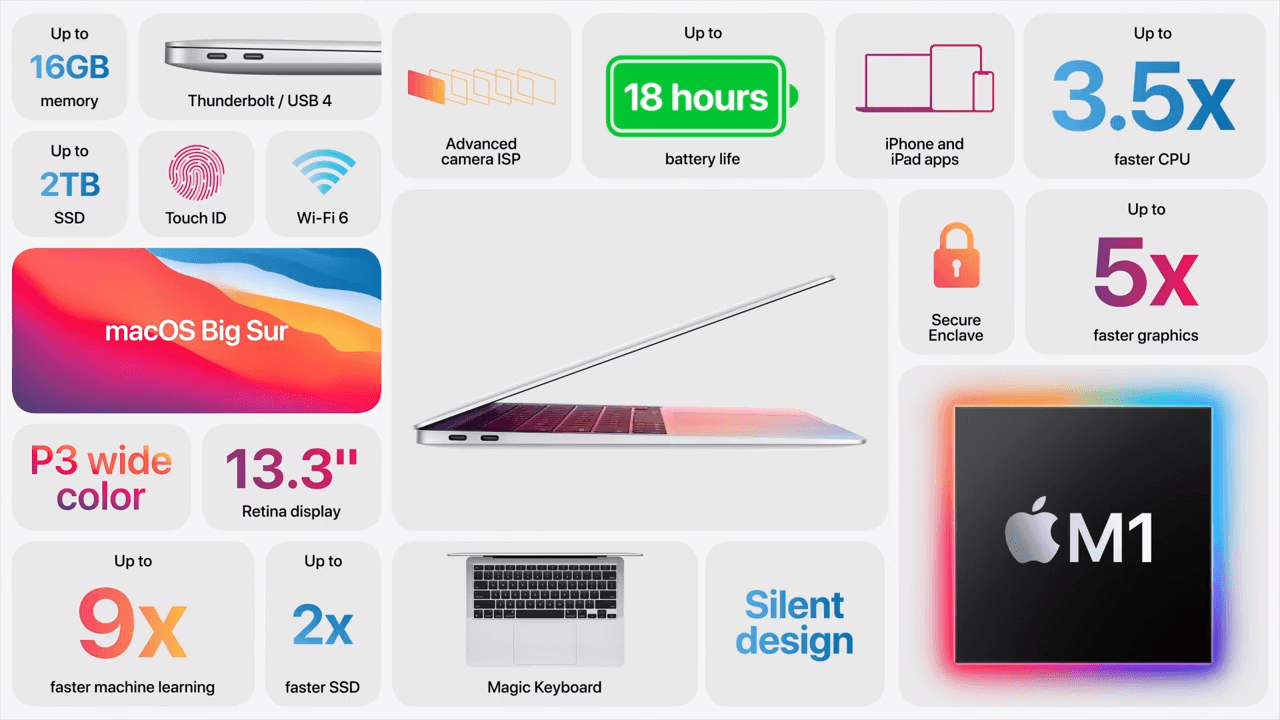
The design of the new 13-inch MacBook Pro has also not changed, despite rumors of a 14-inch version similar to the larger MacBook Pro. In this device, the M1 chip is overclocked, so it uses active cooling.
Apple says the new ARM MacBook Pro 13 is "3 times faster than the best-selling Windows laptop in this segment." The company also promises 17 hours of battery life for web browsing and 20 hours for video playback.
The new version also has significantly improved microphone quality and is supposedly brought up to studio level, so you can record podcasts or vocals.
Otherwise: up to 2 TB of SSD storage, up to 16 GB of RAM, and a price starting at $1,199 for the base 8/256 version.
ARM Mac mini
The new Mac mini also received the M1 chip and runs 3 times faster than the previous version with a 4-core processor. Its graphics core is 6 times faster. But so far, this is only according to Apple.
The new ARM Mac mini is also 5 times faster than the best-selling Windows computer. However, the company does not name the specific model used for the comparison.
The new Mac mini uses active cooling because the new M1 processor is overclocked, as in the new MacBook Pro 13. Among other things, it supports 6K monitors, up to 16 GB of RAM, up to 2 TB of SSD storage, Wi-Fi 6, HDMI 2.0 ports, two USB-A, two Thunderbolt (USB 4), one 3.5 mm headphone jack and Ethernet. Price starts at $699.
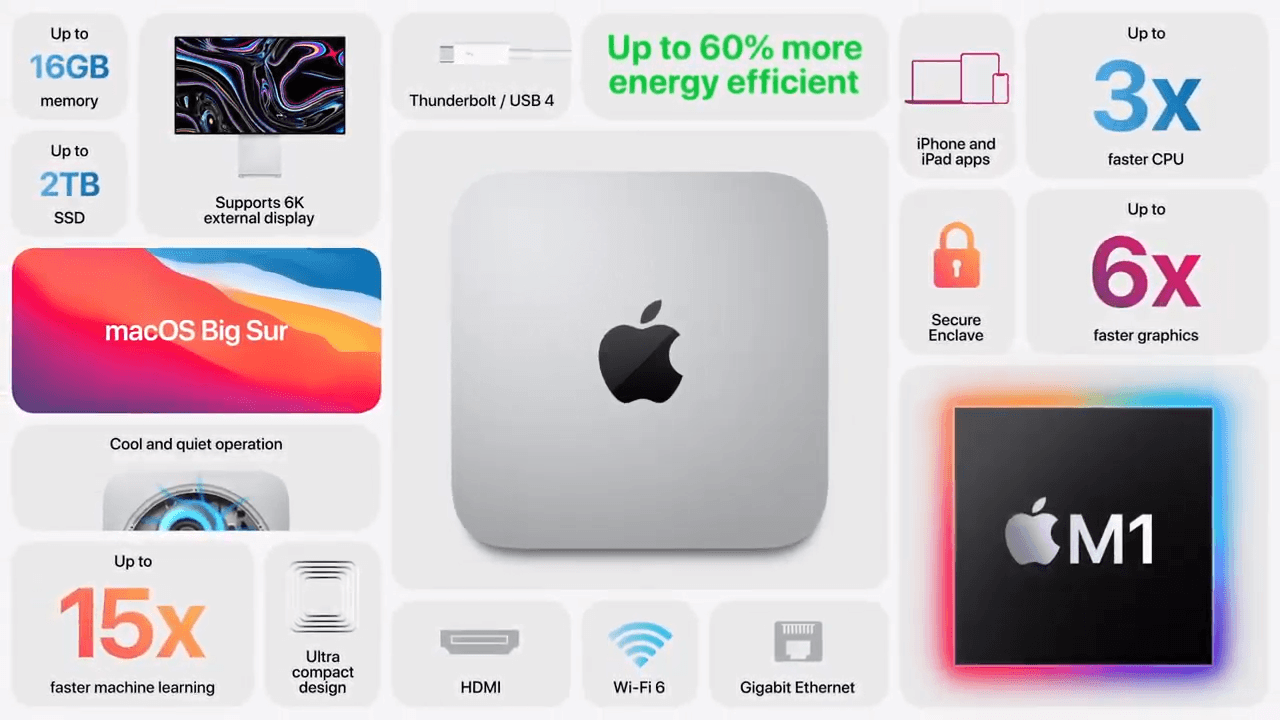
Pre-orders for all new devices are available starting November 10 (that's today). However, they will go on sale in the US only from November 16. The macOS Big Sur release is on November 12.
- ARM MacBook Air — from $999
- ARM MacBook Pro — from $1,199
- ARM Mac mini — from $699

Russian Attacks in Dnipropetrovsk Region: Two Killed, Seven Injured

Defense Forces Strike Four Russian Drone Control Points in Past Day, Including in Berdiansk

Britain Threatens Sanctions on Kremlin-Linked People; Poland Ready to Hand Ukraine Ammunition

Russia says it has completed "planned exercises" in the Black Sea

MVD: Fake Riots With Prop Blood Were Being Prepared Near Presidential Office

Law Enforcers Name Another Klitschko Deputy as Suspect

Berlin Holds Protest Against War in Ukraine; EU Prepares for Possible Russian Halt of Gas Supplies
North Korea Fires Ballistic Missile Over Record Distance in Five Years
Irish Fishermen Force Russia to Postpone Naval Drills

US sanctions in case of invasion of Ukraine could completely destroy Russia's economy, NYT reports
