
Britain Threatens Sanctions on Kremlin-Linked People; Poland Ready to Hand Ukraine Ammunition
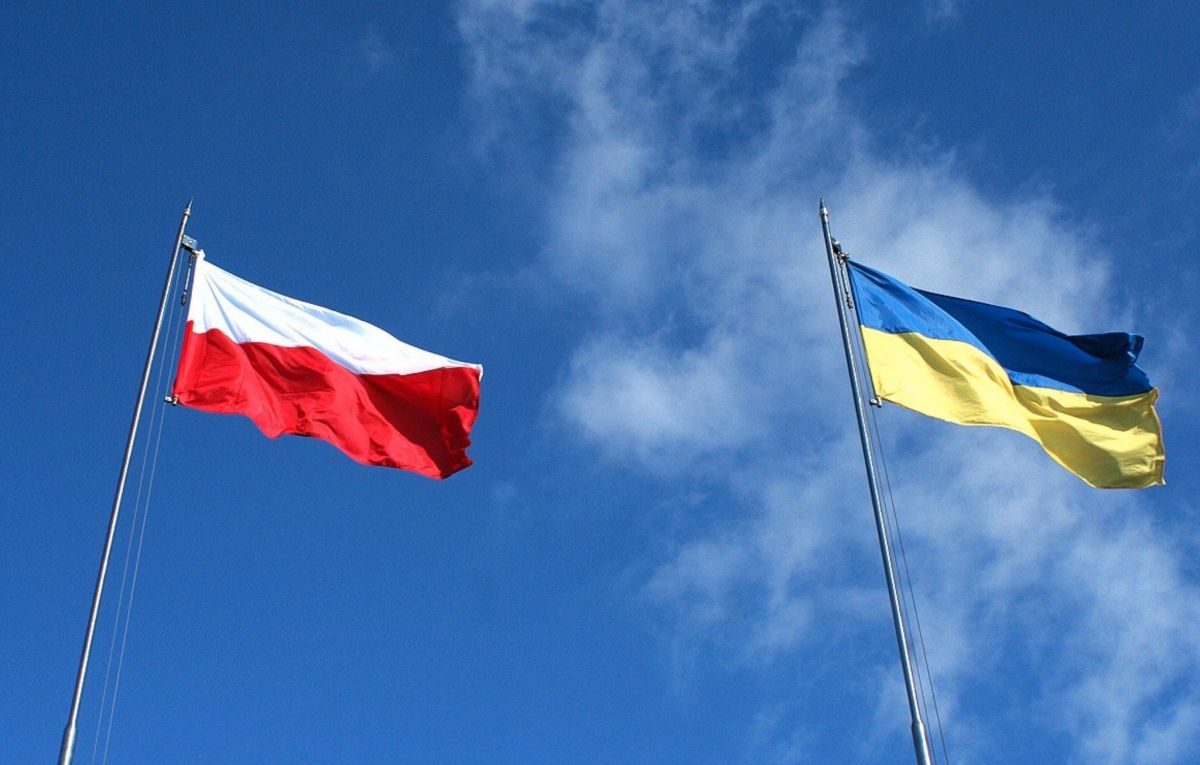
Dutch lawmakers have voiced support for providing Ukraine with defensive weapons.
Britain has said it will impose sanctions on companies and people with close ties to the Kremlin if Russia takes military action against Ukraine.
Simon Clarke
UK Chief Secretary to the TreasuryWe have made it very clear that if Russia takes further action against Ukraine, we will further tighten the sanctions regime against companies and people who have close ties to the Kremlin.
This week, the British government will introduce new legislation to expand the scope of sanctions it can impose on Russia in an attempt to curb aggression against Ukraine.
Britain has imposed sanctions on around 180 individuals and 48 organizations since Russia annexed Crimea in 2014. The list includes six people whom Britain considers close to Putin:
- Yuri Kovalchuk, businessman
- Arkady Rotenberg, businessman
- Nikolai Shamalov, businessman
- Sergei Chemezov, former KGB officer
- Nikolai Patrushev, Secretary of the Security Council of Russia
- Alexander Bortnikov, Director of the Federal Security Service
The sanctions allow Britain to freeze individual assets and ban entry into the country. They also prohibit any person from dealing in securities or money market instruments with a maturity of more than 30 days issued after 2014 by Sberbank, VTB Bank, Gazprombank, Vnesheconombank (VEB), Rosselkhozbank, OPK Oboronprom, United Aircraft Corporation, Uralvagonzavod, Rosneft, Transneft or Gazprom Neft.
Kremlin spokesman Dmitry Peskov said the threat of sanctions would be equivalent to an attack on Russian business. According to him, such actions would harm British companies. Peskov warned that Russia would respond.
Poland ready to hand over tens of thousands of munitions
The head of Poland's National Security Bureau said Warsaw is ready to transfer defensive weapons to Ukraine.
Pawel Soloch
head of Poland's National Security BureauThe question of transferring ammunition depends on the Ukrainian side. Everything now depends on their steps. We are ready to supply tens of thousands of defensive munitions at any time.
He recalled that the President of Poland recently spoke with the President of Ukraine and held talks with the President of the United States and the leaders of leading European NATO countries.
According to him, in close contact with the president, a decision was made to transfer defensive munitions to the Ukrainian side, and the Minister of National Defence finally approved this decision.
Asked when and in what form ammunition supplies to Ukraine could take place, Soloch replied that it depends on the Ukrainian side, that they have received the specification, and now everything depends on their steps.
“We are ready to deliver ammunition at any time. The decision has been made, the offer has been passed to the Ukrainian side, and we are waiting for a response,” Soloch said. He was asked whether President Zelensky had also pursued this in talks with President Duda.
Pawel Soloch
head of Poland's National Security BureauIt was said that the presidents discussed every dimension of assistance to Ukraine, starting with the political dimension. Ukraine is most interested in a unified position of Western countries and NATO countries. Then, of course, comes the material dimension, for example in the form of military aid.
Dutch lawmakers voice support for providing weapons
The ruling VVD party of the Netherlands (People's Party for Freedom and Democracy) and the opposition Labour Party have spoken in favor of providing Ukraine with defensive weapons.
Ruben Brekelmans, a lawmaker from the ruling party, said the prime minister and foreign minister should travel to Ukraine with concrete proposals: “what we can supply and whether it meets Ukraine’s needs.”
Ukraine has already asked the Netherlands for help with weapons, and the country's Ministry of Defence is taking stock of what can be supplied to Ukraine. Brekelmans believes these could be radars, high-precision weapons, anti-tank weapons or air defence.
Kati Piri, a lawmaker from the opposition Labour Party, believes the country could help Ukraine fight cyberattacks, provide training or supply anti-tank weapons.
Both parties stress that they are opposed to sending Dutch military personnel to Ukraine. Brekelmans said: “No troops, only defensive weapons! And really more than just helmets, as the Germans did).

Russian Attacks in Dnipropetrovsk Region: Two Killed, Seven Injured

Defense Forces Strike Four Russian Drone Control Points in Past Day, Including in Berdiansk

Britain Threatens Sanctions on Kremlin-Linked People; Poland Ready to Hand Ukraine Ammunition

Russia says it has completed "planned exercises" in the Black Sea

MVD: Fake Riots With Prop Blood Were Being Prepared Near Presidential Office

Law Enforcers Name Another Klitschko Deputy as Suspect

Berlin Holds Protest Against War in Ukraine; EU Prepares for Possible Russian Halt of Gas Supplies
North Korea Fires Ballistic Missile Over Record Distance in Five Years
Irish Fishermen Force Russia to Postpone Naval Drills

US sanctions in case of invasion of Ukraine could completely destroy Russia's economy, NYT reports
