
Irish Fishermen Force Russia to Postpone Naval Drills
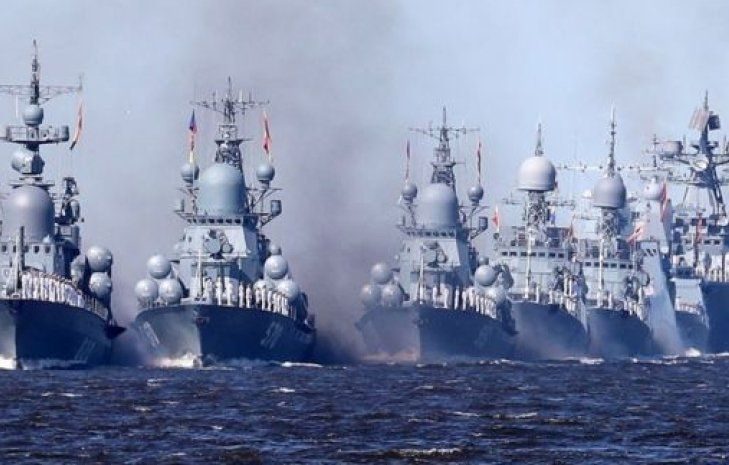
Russia’s drills were originally planned to take place 240 km from the coast of Ireland.
The Russian command agreed to move naval manoeuvres away from the coast of Ireland after pressure from politicians and fishermen. This is reported by “BBC News Ukraine”.
The live-fire drills, scheduled for February 3-8, were to take place 240 km from the country's southwest coast.
On Saturday evening, Irish Foreign Minister Simon Coveney said that the training would be moved outside its exclusive economic zone.
Simon Coveney
Irish Foreign MinisterThis week I wrote to my counterpart, the Russian Defence Minister, asking him to reconsider the location of the naval exercises off the coast of Ireland. This evening I received a letter confirming that the Russian exercises will be moved outside Ireland's EEZ. I welcome this decision.
Ireland does not welcome the Russian navy's exercises in the northeastern part of the Atlantic Ocean, but cannot prevent them, since they do not violate international law, the foreign minister said.
The decision to postpone the drills was made as a “gesture of goodwill,” said Russian Ambassador to Ireland Yuri Filatov on Saturday.
According to Filatov, the decision was made in order “not to hinder the industrial activity of Irish vessels in traditional fishing areas.”
Local fishermen threatened to stage protests if the drills took place where they were originally planned. They were supported by the Irish Association of Fish Processors and Exporters.
Minister for National Heritage Malcolm Noonan warned that the Russian military drills could have devastating consequences for many marine animals, including several whale species.
Malcolm Noonan
Minister for National HeritageAlthough we do not know the nature of these exercises, we do know that underwater sounds, such as active military sonar, can have devastating consequences for cetaceans, including some of our rarest marine mammal species, particularly blue whales, sperm whales and beaked whales. This can lead to significant disruption of their hearing system and normal behaviour, and can cause incurable or even lethal injuries.
Russian Ambassador Filatov has called this problem exaggerated, and the conflict surrounding the military manoeuvres as allegedly “part of a propaganda campaign about a supposed Russian threat to Europe.”
Last week, the Russian Navy announced a series of naval drills planned for January-February.
The training will take place both near Russia's territory and far from its shores, in particular in the Mediterranean, North, Okhotsk Seas, and in the Atlantic and Pacific Oceans.
More than 140 warships and support vessels, more than 60 aircraft and helicopters, and about 10,000 servicemen are planned to take part in the manoeuvres.

Zelensky: Russia Used 115 Missiles, Nearly 1,900 Guided Bombs and Over 3,000 Drones in a Week
Attack on Major DTEK Energy Facility in Northern Odesa Region Leaves Some Families Without Power

Britain Threatens Sanctions on Kremlin-Linked People; Poland Ready to Hand Ukraine Ammunition

Russia says it has completed "planned exercises" in the Black Sea

MVD: Fake Riots With Prop Blood Were Being Prepared Near Presidential Office

Law Enforcers Name Another Klitschko Deputy as Suspect

Berlin Holds Protest Against War in Ukraine; EU Prepares for Possible Russian Halt of Gas Supplies
North Korea Fires Ballistic Missile Over Record Distance in Five Years
Irish Fishermen Force Russia to Postpone Naval Drills

US sanctions in case of invasion of Ukraine could completely destroy Russia's economy, NYT reports
