
Everyone Was Leaked Before the Presentation: Apple Unveils Four New iPhones and HomePod Mini
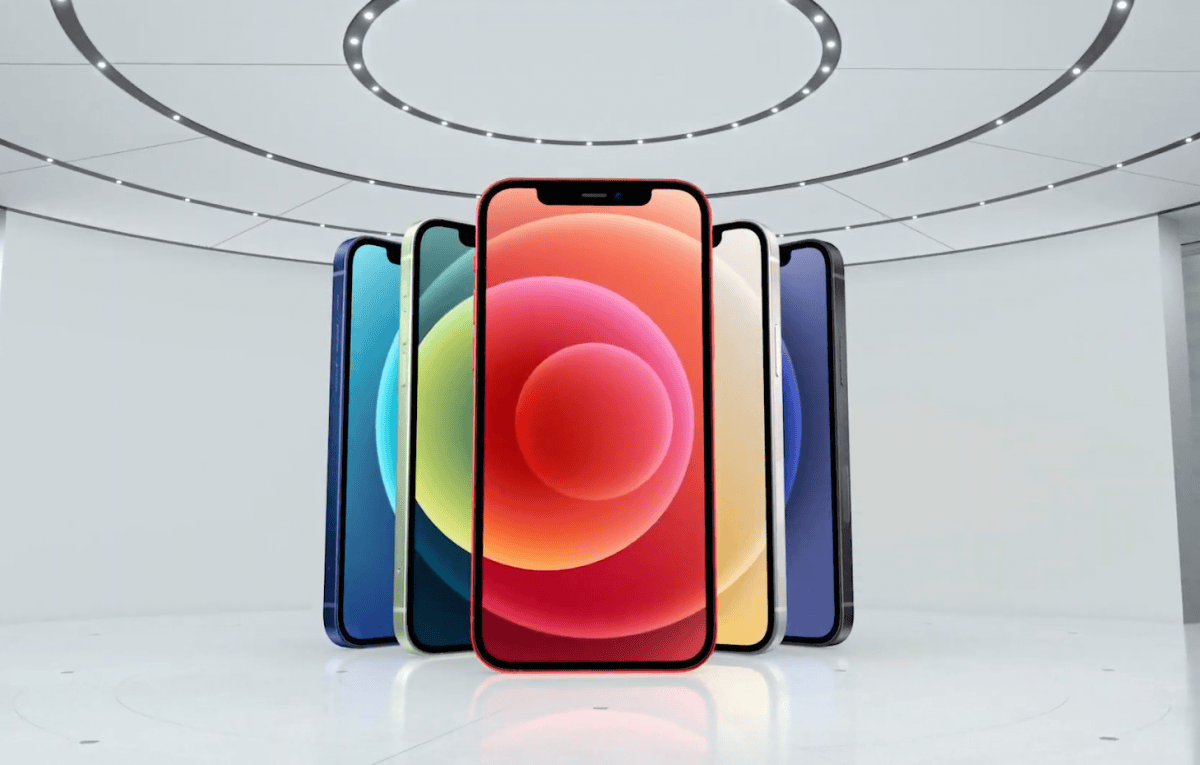
The new iPhone is called the 12 Mini, while the others replace their predecessors.
On Tuesday, October 13, Apple unveiled its main technology products of 2020, including four new iPhones and the HomePod Mini home speaker. TK Media looked into the specifications, prices and features of the Apple novelties of 2020.
This year, due to the coronavirus pandemic, Apple's presentation is much more modest. Moreover, this is already the company's second autumn presentation: at the previous one on September 15, it showed new iPad tablets and Apple Watch smartwatches.
iPhone
The new models are called iPhone 12 Mini, iPhone 12, iPhone 12 Pro and iPhone 12 Pro Max. All devices feature the new 5-nanometer Apple A14 Bionic processor and 5G technology. The design of all devices has changed: the side edges now resemble the iPhone 5S and the new iPad Pro, but in the "budget" 12 and 12 Mini they are aluminum, while in the 12 Pro and 12 Pro Max they are steel.
The bezels on the devices have also become smaller, and new colors have appeared. Otherwise, the design has remained the same. The "budget" lineup has received two cameras, while the more expensive Pro versions have three cameras and LiDAR.
Besides the side edges, the main distinguishing feature of the new design is the new colors. The iPhone 12 and 12 Mini will be available in black, white, blue, red and green, while the iPhone 12 Pro and 12 Pro Max will come in gold, silver, graphite and a new "Pacific Blue".
- iPhone 12 Mini — from $699
- iPhone 12 — from $799
- iPhone 12 Pro — from $999
- iPhone 12 Pro Max — from $1,099
Pre-orders for the iPhone 12 and 12 Pro open on October 21. Pre-orders for the iPhone 12 Mini and 12 Pro Max open on November 6. They go on sale on October 23 and November 13, respectively. Notably, the minimum version of the iPhone 12 Pro and Pro Max has 128 GB of storage, while the iPhone 12 and 12 Mini have 64 GB.
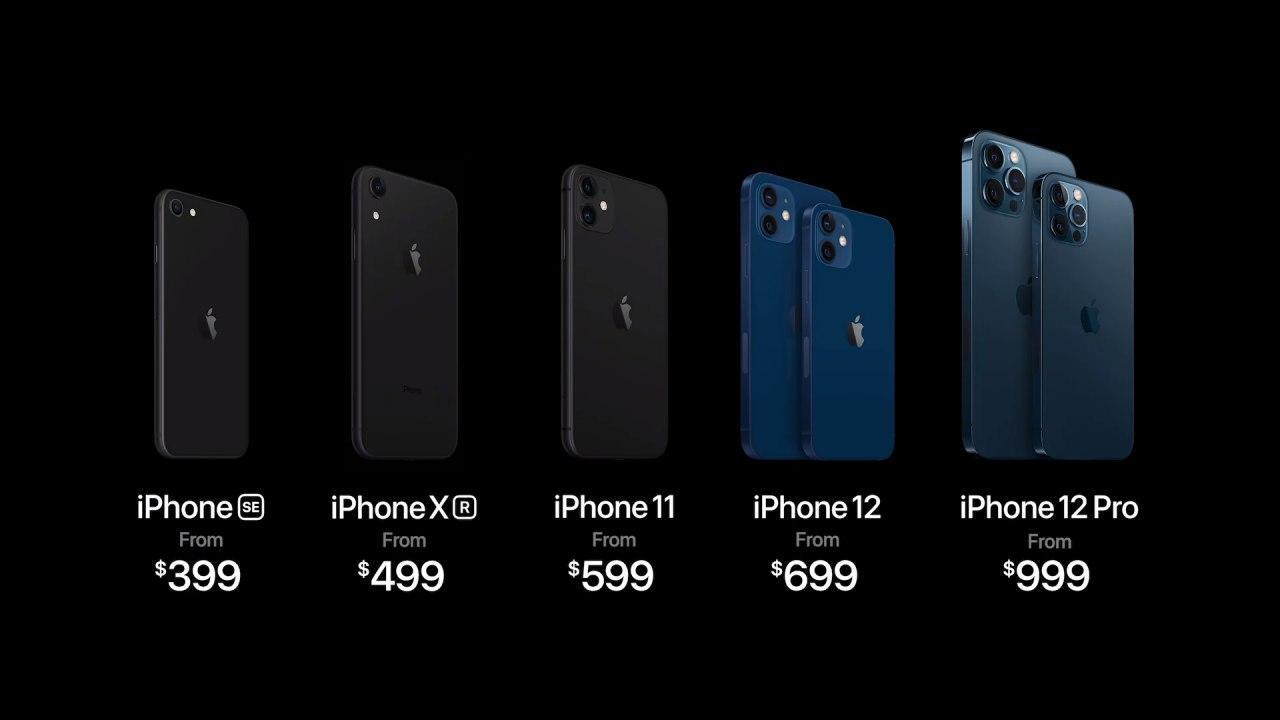
The iPhone SE (2nd generation) from $399, iPhone XR from $499 and iPhone 11 from $599 remain officially on sale.
The new iPhone 12 is 11% thinner, 15% smaller and 16% lighter than its predecessor, the iPhone 11. It also has a more durable Ceramic Shield display. But that is all just details. The main differences are the design, processor, Super Retina XDR display, 5G and MagSafe charging. By the way, the power adapter (the "cube") and EarPods headphones have been removed from the box.
In short, the processor, display and camera are better. Nothing new. In fact, only the unique iPhone 12 Mini deserves attention. The other three new iPhones simply replaced their predecessors and became somewhat better.
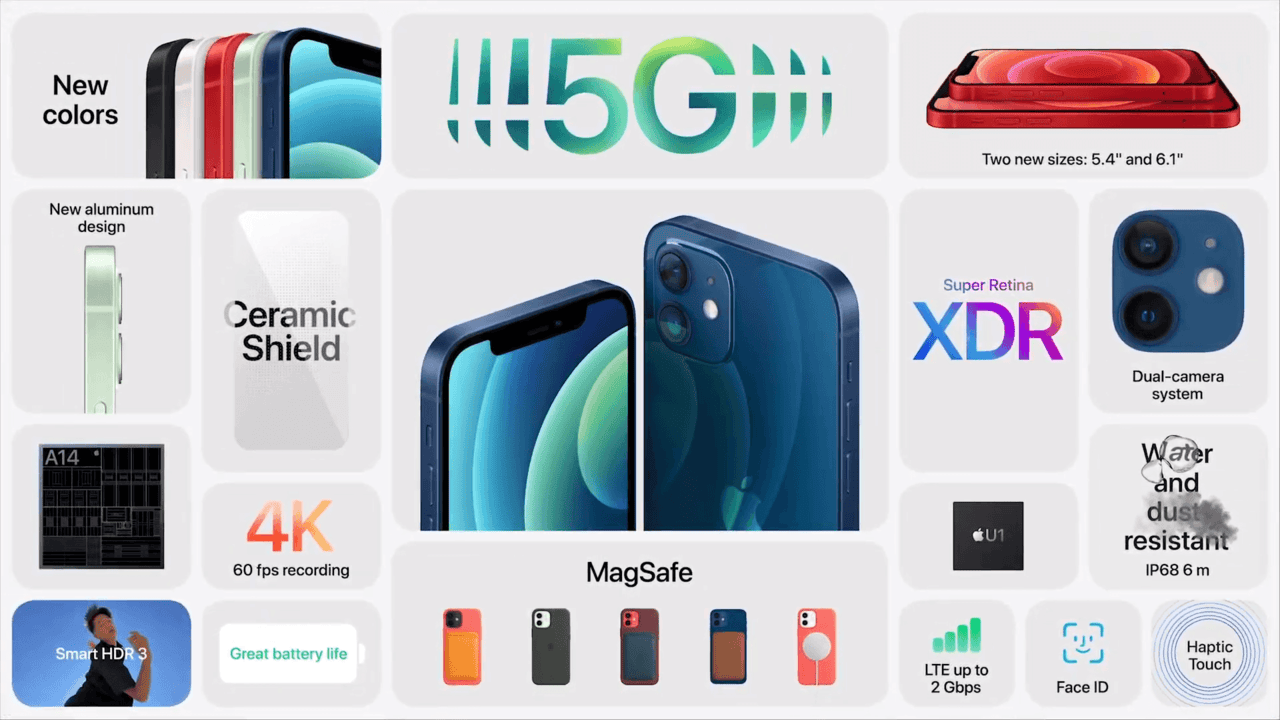
MagSafe charging is a magnetic connector, like on old MacBooks. Thanks to the new feature, you can attach not only cases but also wallets to the iPhone 12. It also automatically centers the smartphone on a wireless charging pad (what about Apple AirPower?).
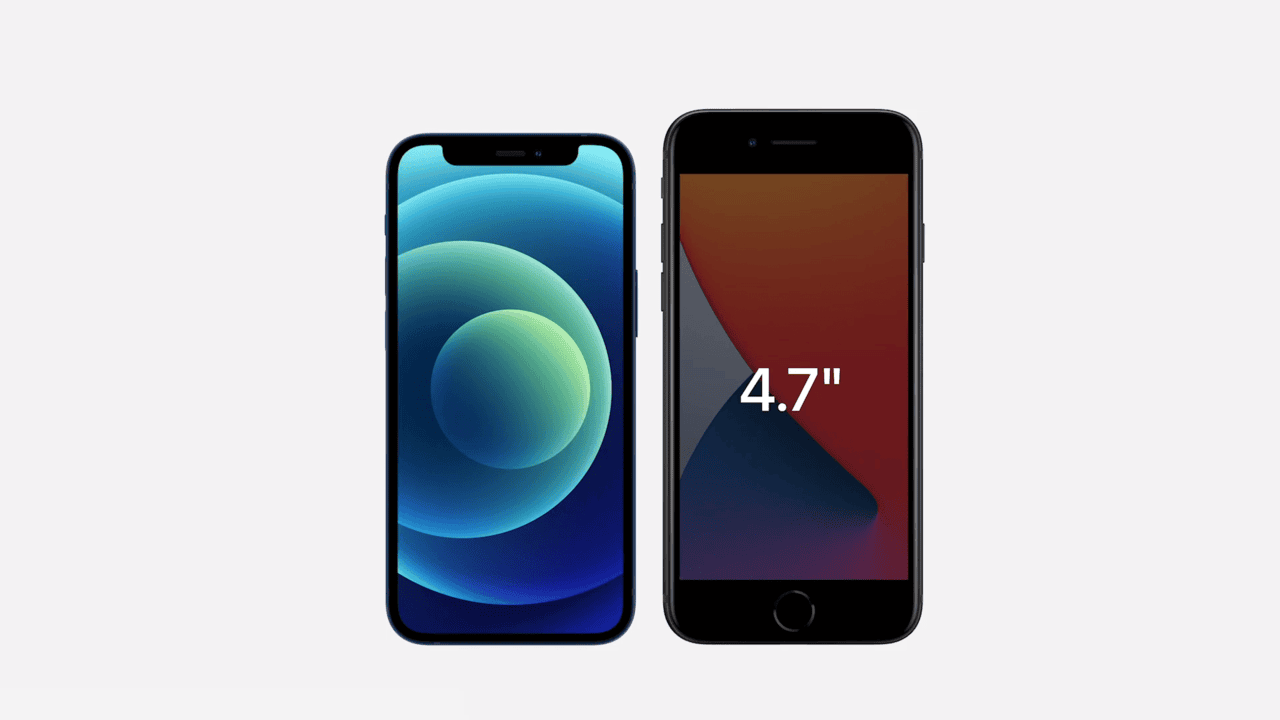
The iPhone 12 Mini has a 5.4-inch display, with specifications like those of the larger 6.1-inch iPhone 12, yet it is smaller in size than the iPhone 8. This is exactly what most Apple fans wanted to see in the second-generation iPhone SE: small, bezel-less, high-performance and affordable.
Notably, the new iPhone 12 Pro Max has a 6.7-inch display instead of the 6.5-inch display of its predecessor. The optical zoom is now 2.5x, and the optical image stabilization system makes 5 times more adjustments than before.
Among other things, all 4 cameras support Deep Fusion technology, the new sensor shoots 87% better in low light than the iPhone 11 Pro Max, and a new feature has appeared for recording 10-bit video in HDR format and Dolby Vision HDR 4K at 60 frames per second. The iPhone 12 Pro and 12 Pro Max have also gained LiDAR scanner support.
HomePod Mini
Even before the new iPhone 12, the company unveiled the compact HomePod Mini smart home speaker for $99 in white and dark gray. Shipments start on November 16, with pre-orders from November 6.
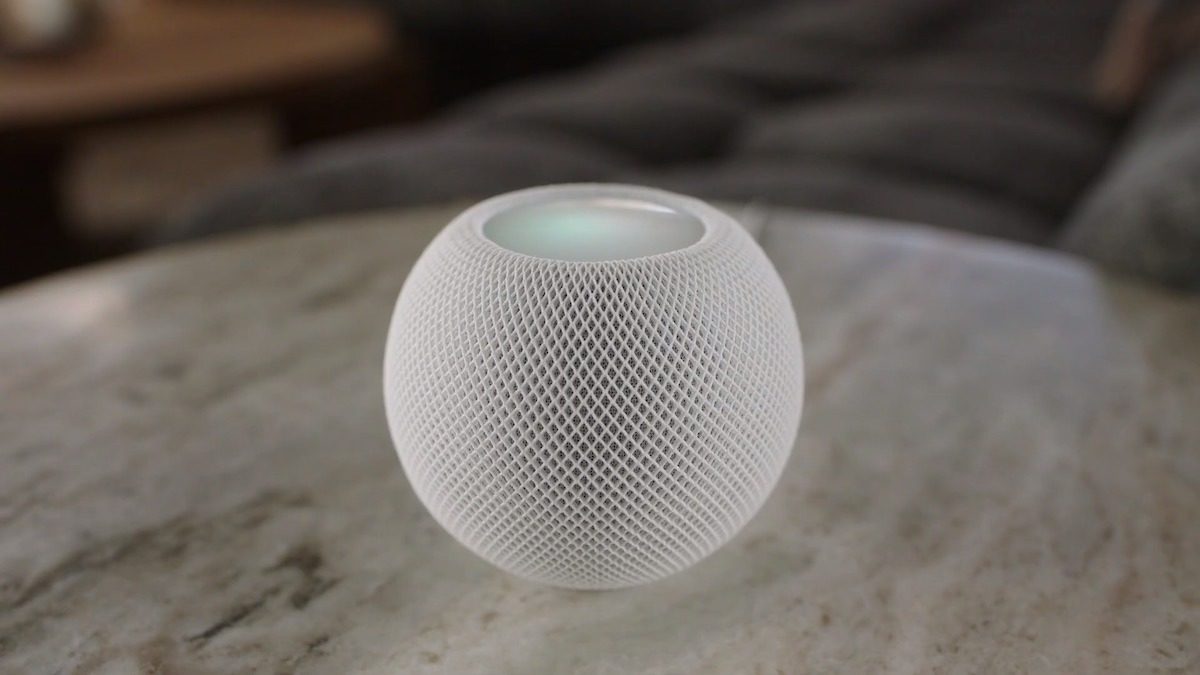
Several speakers can be combined so they play the same music. Two of them can also form a stereo pair. The Siri assistant in the speaker can also distinguish the voices of different family members and respond to each with what they need, whether that is their favorite music or a personal schedule.
The novelty has a shorter, spherical shape than the original HomePod, one main driver, two passive radiators and an "acoustic waveguide" at the bottom. Inside is an S5 chip, like in the Apple Watch Series 5.
The U1 chip will improve the Handoff function for continuing playback on another device. At the end of the year, Apple also plans to add support for third-party music services.

Russian Attacks in Dnipropetrovsk Region: Two Killed, Seven Injured

Defense Forces Strike Four Russian Drone Control Points in Past Day, Including in Berdiansk

Britain Threatens Sanctions on Kremlin-Linked People; Poland Ready to Hand Ukraine Ammunition

Russia says it has completed "planned exercises" in the Black Sea

MVD: Fake Riots With Prop Blood Were Being Prepared Near Presidential Office

Law Enforcers Name Another Klitschko Deputy as Suspect

Berlin Holds Protest Against War in Ukraine; EU Prepares for Possible Russian Halt of Gas Supplies
North Korea Fires Ballistic Missile Over Record Distance in Five Years
Irish Fishermen Force Russia to Postpone Naval Drills

US sanctions in case of invasion of Ukraine could completely destroy Russia's economy, NYT reports
