
Coronavirus Keeps Spreading. What Happened Over the Last Month? How Did It Affect Ukraine? What About the Vaccine?

Tens of thousands infected, thousands dead and widespread panic.
In the past month, news feeds have been flooded with headlines about the coronavirus. The number of deaths and infections is growing daily, while humanity is doing everything it can to contain the spread of the disease.
In our previous article, TK Media reported on the emergence of the coronavirus, its spread in China and beyond, as well as the main methods of protection against infection.
This time, TK Media analyzes what has happened over the past month: how quickly the coronavirus is spreading, what is contributing to it, and how it has affected Ukraine.
The Chinese coronavirus Covid-19 emerged in Wuhan in December 2019 and resembled pneumonia in its symptoms. The source of infection was animals at a large wholesale market. And although Chinese authorities initially denied that the coronavirus was transmissible, in two months more than 77,000 people in China fell ill and over 2,300 died. Despite more than 21,000 recoveries, many Chinese provinces remain isolated under travel bans.
How the WHO’s Response to the Spread of the Coronavirus Changed
On January 22, the World Health Organization (WHO) held its first emergency meeting on the coronavirus and the lockdown of multimillion-strong Chinese cities. But already on January 23, the WHO decided that declaring an international public health emergency was premature.
On February 26, in its report, the WHO classified the risk level in Wuhan as “very high” and in the rest of the world as “high.” At the next meeting on January 30, when the coronavirus had already killed more than 170 people, an international public health emergency was declared.
The WHO recommended that all countries tighten border controls, combat rumors and disinformation, and be ready to impose quarantines if necessary. But many states (mostly poor African ones) lacked the necessary resources and were unable to prepare for the arrival of the coronavirus.
In early February, the WHO said that the world was short of protective equipment against the coronavirus (gloves, gowns and masks), which helped contain the spread of the disease and were used by doctors caring for infected patients.
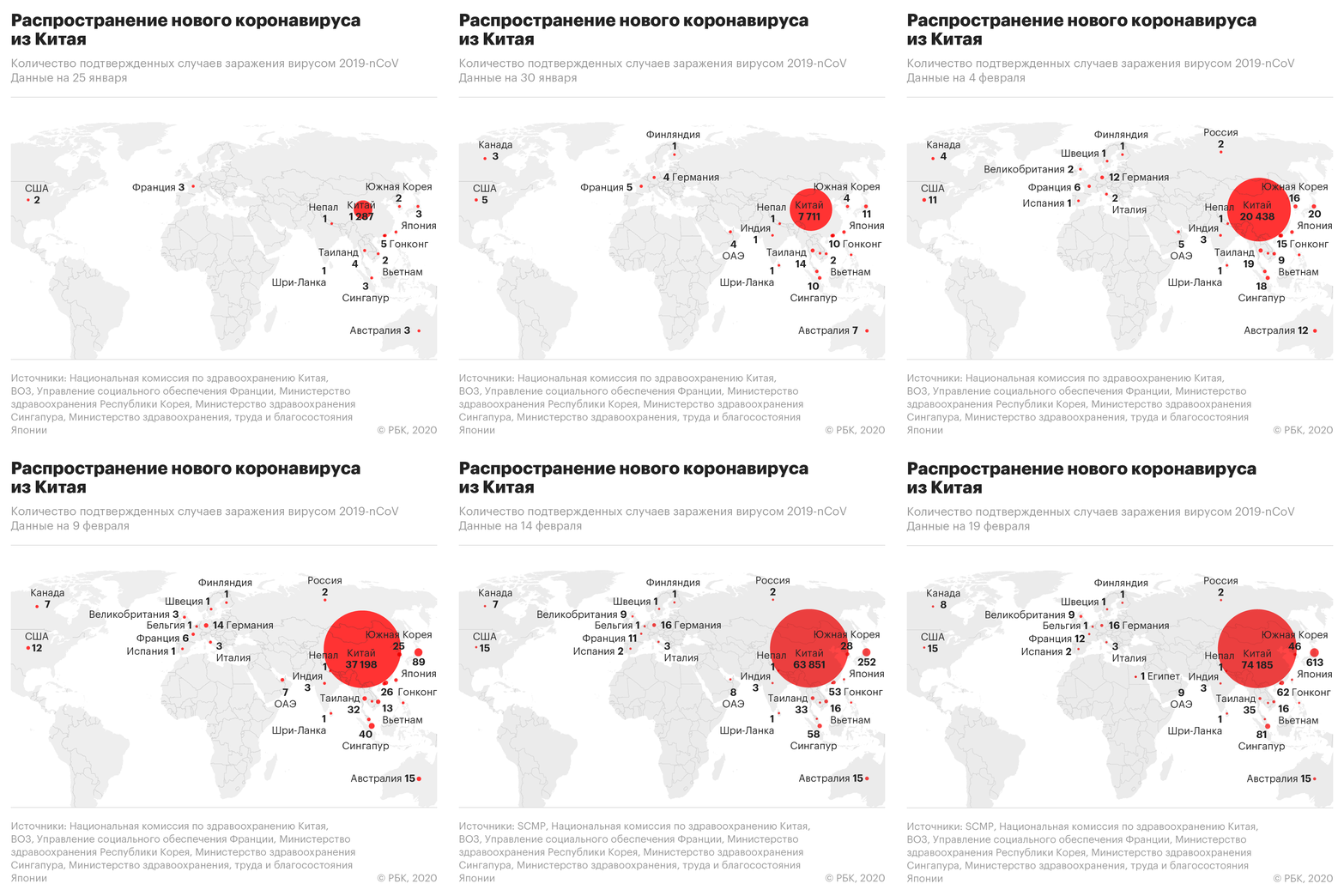
What happened in the world over the past month
In 8 days, a 1,000-bed hospital was built in China for coronavirus patients — it was opened on February 3 and immediately began admitting patients. On February 2, the EU provided China with 12 tons of humanitarian aid and promised to continue helping in the fight against the coronavirus.
On February 3, China invested 173 billion dollars in its economy amid the fight against the coronavirus, and on February 8, the United States pledged to allocate 100 million dollars to fight the coronavirus in China.
At the same time, however, the coronavirus also hit major Chinese industries:
- On January 29, China ordered the closure of the Tesla factory in Shanghai
- On February 1, Apple temporarily closed all its stores and offices in China
- On February 3, Macau’s largest gambling center suspended casino operations
- On February 7, more than 10 automakers in China suspended factory operations
- On February 12, Formula 1 postponed the Chinese Grand Prix, which was due to take place April 17–19
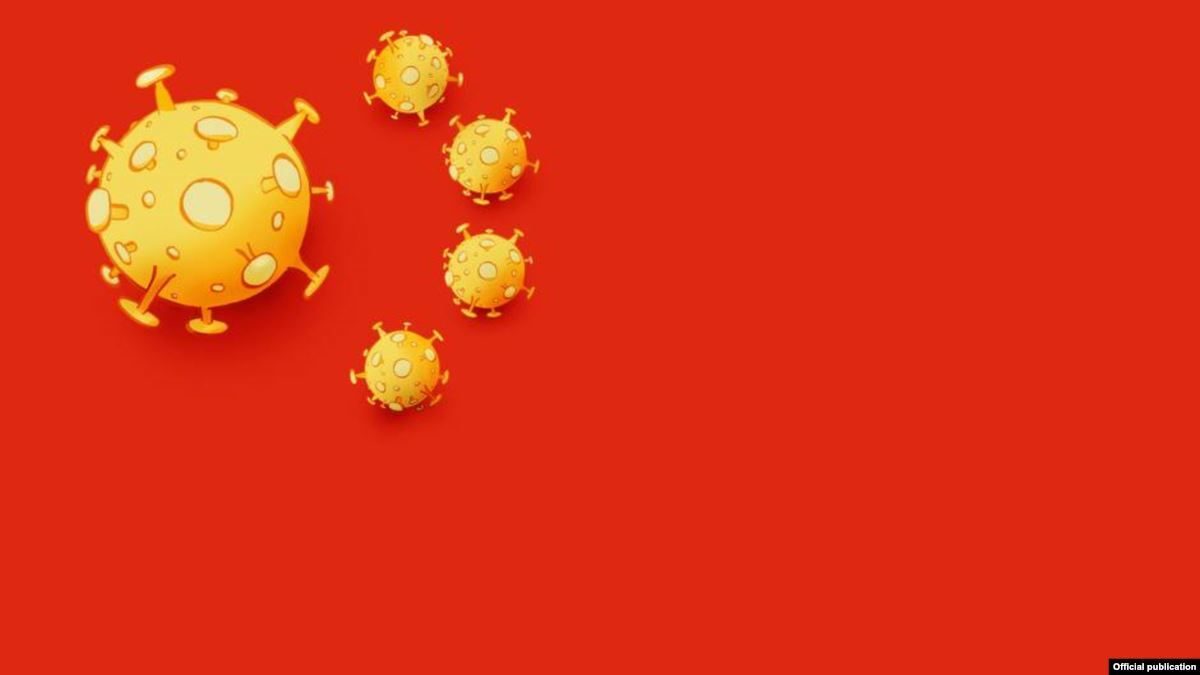
On January 27, the Danish daily newspaper Jyllands-Posten published a drawing of the Chinese flag with five yellow coronavirus particles instead of stars, after which the Chinese Embassy in Denmark demanded an apology from the newspaper and the Danish artist Niels Bo Bojesen to the citizens of China.
The embassy said that “the image crossed the line between a civilized society and the ethical boundaries of freedom of speech and offends human dignity.” Editor-in-chief Jacob Nybroe said the newspaper did not intend to mock the situation, but refused to apologize.
Also, Taiwanese TV series began cutting kissing scenes as a precaution against the coronavirus, Italian musician made a creepy “soundtrack” of the coronavirus, and the mobile game about a deadly virus Plague Inc. peaked in popularity on the App Store amid the coronavirus outbreak.
In addition, a journalist covering the coronavirus went missing in Wuhan. He set off for the epicenter of the epidemic from Beijing on January 24 and last contacted his family on February 6, after which global media reported his disappearance.
On February 22, the first European died from the coronavirus — a 78-year-old Italian. That same day, a 76-year-old Italian woman also died from the coronavirus. For the first time on European soil, a Chinese tourist died from the coronavirus in France.
The Diamond Princess cruise liner and 3,700 people in quarantine
On January 20, the Diamond Princess cruise liner left the Japanese port of Yokohama, sailed the route Kagoshima — Hong Kong — Okinawa, and returned on February 3.
Upon arrival, several people on board complained of deteriorating health. Doctors decided to examine everyone on the liner and found pneumonia caused by the coronavirus in 10 passengers. Ultimately, the authorities decided to quarantine the ship.

The first to leave the liner were 11 elderly passengers who tested negative for the coronavirus — this happened on February 14 (after 11 days of quarantine). Then the US announced the evacuation of 400 Americans, but 40 of them turned out to be infected and were sent to quarantine in Japanese hospitals. On February 19, another 500 passengers were allowed to leave the liner after testing negative for the coronavirus. Of the 3,700 people on board, 3,011 were tested for the coronavirus, which identified 621 infected.
There were 25 Ukrainian crew members on board the liner, two of whom were found to have the coronavirus. On February 20, People’s Deputy Mykhailo Radutsky said that the two infected Ukrainians on the Diamond Princess had recovered.
Passengers were kept in isolated cabins without daylight or fresh air, forbidden to go out on deck, socialize, or approach one another, but were provided with food and internet access. The cruise company Princess Cruises promised to compensate all passengers for the full cost of the cruise and additional expenses. Crew members will be paid a bonus for their work.
On February 20 (after 17 days of quarantine), two 80-year-old passengers died of the coronavirus on board the Diamond Princess.
How the virus affected Ukraine
On January 26, Ukraine prepared laboratories, hospitals and doctors for a possible quarantine, purchased special coronavirus tests, and strengthened airport controls.
On January 27, the Kyiv City Laboratory Center of Ukraine’s Ministry of Health recorded a coronavirus case in the country, but clarified that it was not the Chinese coronavirus Covid-19. This did not stop social media users from spreading disinformation about the coronavirus appearing in Ukraine.
The evacuation of Ukrainians from Wuhan was planned as early as February 11, but was canceled due to the lack of readiness to organize a quarantine. Ultimately, the plane departed on February 19 and picked up 45 Ukrainians and 27 foreigners, not counting the crew and accompanying doctors.
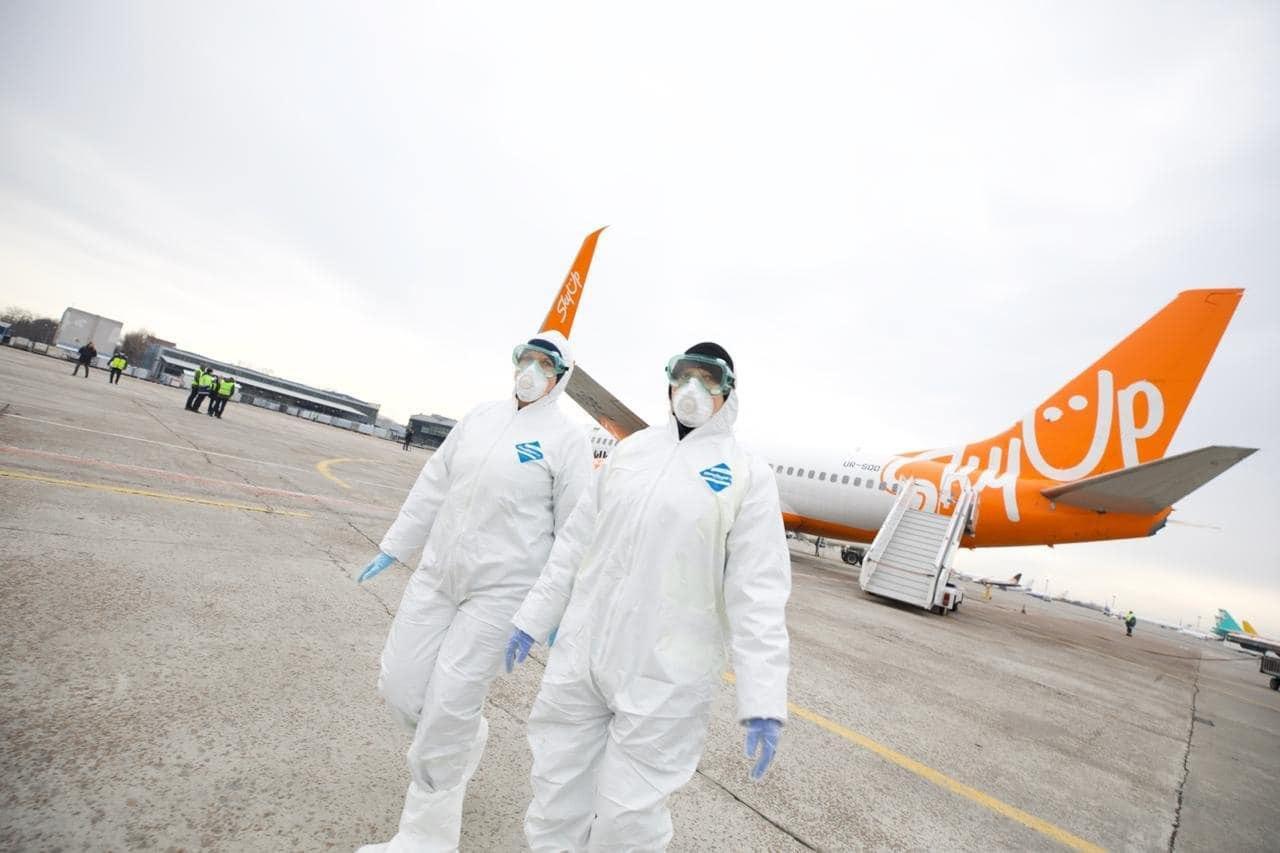
On February 20, the plane carrying evacuees from Wuhan arrived in Ukraine. Due to weather conditions, it first had to land at Boryspil near Kyiv to refuel, after which it headed to Kharkiv International Airport, from where, escorted by State Emergency Service and police special vehicles, the evacuees were sent to the Novi Sanzhary medical center in Poltava Region.
The condition of the evacuees was checked in China, in the intermediate stop in Kazakhstan, at Boryspil and in Kharkiv — all passengers were completely healthy. They were only required to undergo a 14-day quarantine at the medical center.
But residents of Novi Sanzhary were unhappy upon learning that evacuees from Wuhan were being brought to them. They blocked roads, burned tires, engaged in open clashes with police and threw stones at buses carrying the evacuees.
In response to the unrest, Ukrainian President Volodymyr Zelensky and Prime Minister Oleksiy Honcharuk called for calm and once again reminded everyone that these were Ukrainians and that all of them were completely healthy. And Health Minister Zoryana Skaletska decided to join the evacuees in the 14-day quarantine.
The next day, the situation in Novi Sanzhary calmed down, and police released 23 of the 24 detainees home pending pre-trial investigation. However, 400 of the 900 students did not come to the only school in Novi Sanzhary.
Ukrainian Anastasia Zinchenko refused to evacuate from Wuhan after Ukraine’s Foreign Ministry refused to take her dog. According to the young woman, she had collected all the necessary documents for the animal. The next day, Zelensky called her and promised that she would not be left in China. That same day, Shakhtar FC offered to send a plane to Wuhan for her. The following day, Anastasia accepted the offer and announced her imminent return home.
What about the vaccine
On January 21, the US National Institutes of Health reported that it had begun work on a vaccine against the coronavirus, but it could take months before the first phase of clinical trials begins, and more than a year before a real vaccine appears.
On January 28, scientists from Hong Kong said that they had developed a vaccine against the coronavirus, but it would take months to test it on animals and about a year to test it on humans.
On January 30, scientists from the US said that they could have a coronavirus vaccine by the end of 2020. And on February 12, at Imperial College London, testing of the vaccine on mice began. According to the scientists, the first stage may take several months, after which human trials will begin, which will take several more months.

On February 16, the largest Chinese pharmaceutical company Zhejiang Hisun Pharmaceutical received permission to sell the antiviral drug Favipiravir, which was tested in clinical trials involving 70 people. Testing is promised to continue even after sales begin soon.
At the time of publication, 77,669 people worldwide were infected with the coronavirus (76,291 of them in China). Meanwhile, 2,360 people have died from the disease, and another 21,029 have recovered.

Russian Attacks in Dnipropetrovsk Region: Two Killed, Seven Injured

Defense Forces Strike Four Russian Drone Control Points in Past Day, Including in Berdiansk

Britain Threatens Sanctions on Kremlin-Linked People; Poland Ready to Hand Ukraine Ammunition

Russia says it has completed "planned exercises" in the Black Sea

MVD: Fake Riots With Prop Blood Were Being Prepared Near Presidential Office

Law Enforcers Name Another Klitschko Deputy as Suspect

Berlin Holds Protest Against War in Ukraine; EU Prepares for Possible Russian Halt of Gas Supplies
North Korea Fires Ballistic Missile Over Record Distance in Five Years
Irish Fishermen Force Russia to Postpone Naval Drills

US sanctions in case of invasion of Ukraine could completely destroy Russia's economy, NYT reports
