
Where Is the Truth and Where Is the Lie? How Deepfakes Are Changing Our World
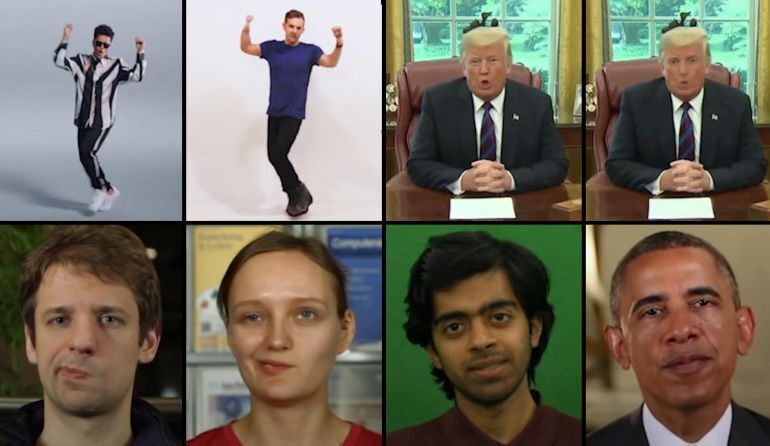
Tech giants are already allocating millions of dollars to fight fake content.
The word "deepfakes" appears more and more often in our feeds and on the airwaves of leading global TV channels. Tech giants such as Amazon and Facebook are working together to fight them. We explain what they are and how they will change our world.
What Deepfakes Are and How They Are Used
This is a technology that works with the help of artificial intelligence. It produces or completely alters content, resulting in video that never existed. In this way, statements by politicians, businesspeople, scientists and anyone else can be faked. The technology grows more advanced every day and may eventually become so convincing that even experts will be unable to tell whether a video is real or not.
Deepfakes are created using a deep learning method known as Generative Adversarial Networks (GANs), in which two algorithms are used to make fakes more convincing. By studying images and videos of a person as training data, the first model creates a video, while the second model tries to detect its flaws. These two models work hand in hand until they produce a convincing video.
They can be used in politics, show business, and even in everyday life for threats and blackmail. After all, today almost any internet user can create a fake video, and over time this will become even easier.
This technology also has its advantages if put to good use. For example, it can create more training data to improve autonomous vehicles. But, as with any other technology, people use it in their own way — to create fake videos and spread disinformation on social networks.
What Deepfakes Look Like
American director Jordan Peele (the films "Get Out" and "Us") created a video with a digital copy of Barack Obama. This became possible thanks to Obama's earlier interviews and neural networks.
In the video itself, the director and the "presidential copy" warn that dangerous times have arrived and users need to be more vigilant, not believe everything they see on the internet, and trust only verified and authenticated news sources.
"We are living in an era in which our enemies can look like anyone, say anything, and at any time. For example, they could make me say that Killmonger (the arch-enemy of Black Panther, one of the main superhero films of the year) was right! Or, the simplest of all, that President Trump is a complete piece of garbage. As you understand, I would never say these words, at least not in public. But someone else might. That someone is Jordan Peele," says Barack Obama in the fake address. The fake Obama ends his speech with the words: "Thanks, and always stay alert, bitches."
How Deepfakes Could Interfere in Elections
Next year, the United States will elect a president. In political circles, there is already panic that video fakes could seriously affect the results of the vote. Given last year's scandal involving Cambridge Analytica, Americans do not want a repeat of a scenario in which a presidential election took place with clear interference from outside forces.
Such fakes have not yet become widespread, but the US government is concerned that foreign adversaries could use them in attempts to interfere in the 2020 elections. During an international threat assessment in January, Dan Coats, Director of National Intelligence of the United States, warned that scammers or fake media outlets could likely be among those seeking to disrupt the elections. The House Intelligence Committee has even held hearings on the potential threats posed by falsification technology.
Hoping to stop the spread of disinformation related to deepfakes, Hany Farid, a professor and forensics expert at Dartmouth College, is developing software that can identify deepfakes. He says he hopes to distribute his fake video detection tools to journalists in December via a website where they can verify the authenticity of videos. "If you are a reporter and you see a video, you must have a verification mechanism before you report on it," he said.
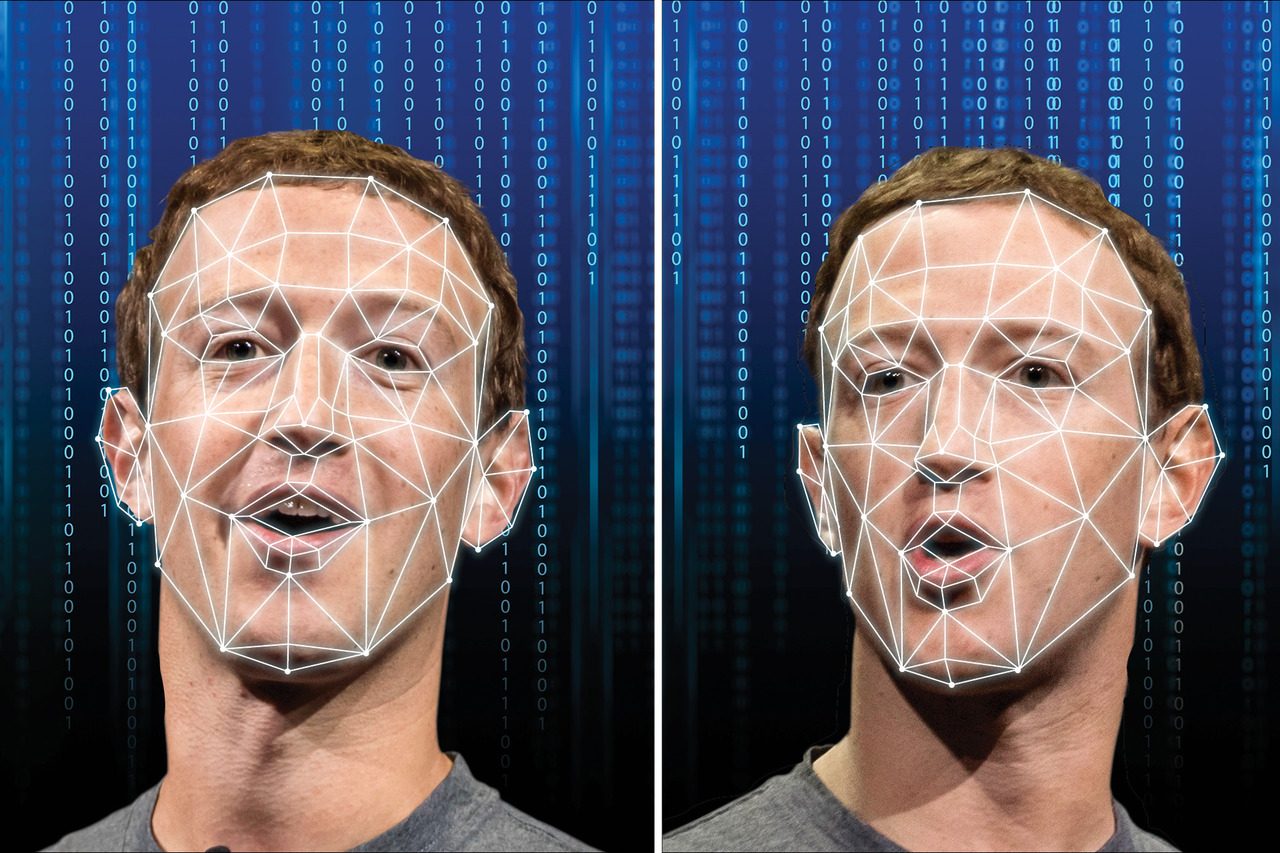
How Tech Giants Will Fight Deepfakes
Facebook, Microsoft and Amazon have joined forces to fight deepfakes. In particular, Amazon plans to provide researchers with $1 million over the next two years.
Earlier, in September of this year, Facebook announced a partnership with the DeepFake Detection program in collaboration with Microsoft and academic institutions such as Cornell Tech, MIT and the University of Oxford. The initiative's partners pledged $10 million and released a dataset of 5,000 videos to help people build detection tools.
Aleksey Simonchuk

Russian Attacks in Dnipropetrovsk Region: Two Killed, Seven Injured

Defense Forces Strike Four Russian Drone Control Points in Past Day, Including in Berdiansk

Britain Threatens Sanctions on Kremlin-Linked People; Poland Ready to Hand Ukraine Ammunition

Russia says it has completed "planned exercises" in the Black Sea

MVD: Fake Riots With Prop Blood Were Being Prepared Near Presidential Office

Law Enforcers Name Another Klitschko Deputy as Suspect

Berlin Holds Protest Against War in Ukraine; EU Prepares for Possible Russian Halt of Gas Supplies
North Korea Fires Ballistic Missile Over Record Distance in Five Years
Irish Fishermen Force Russia to Postpone Naval Drills

US sanctions in case of invasion of Ukraine could completely destroy Russia's economy, NYT reports
