
Global Shortages of Various Goods: What Is Happening in the Largest Countries
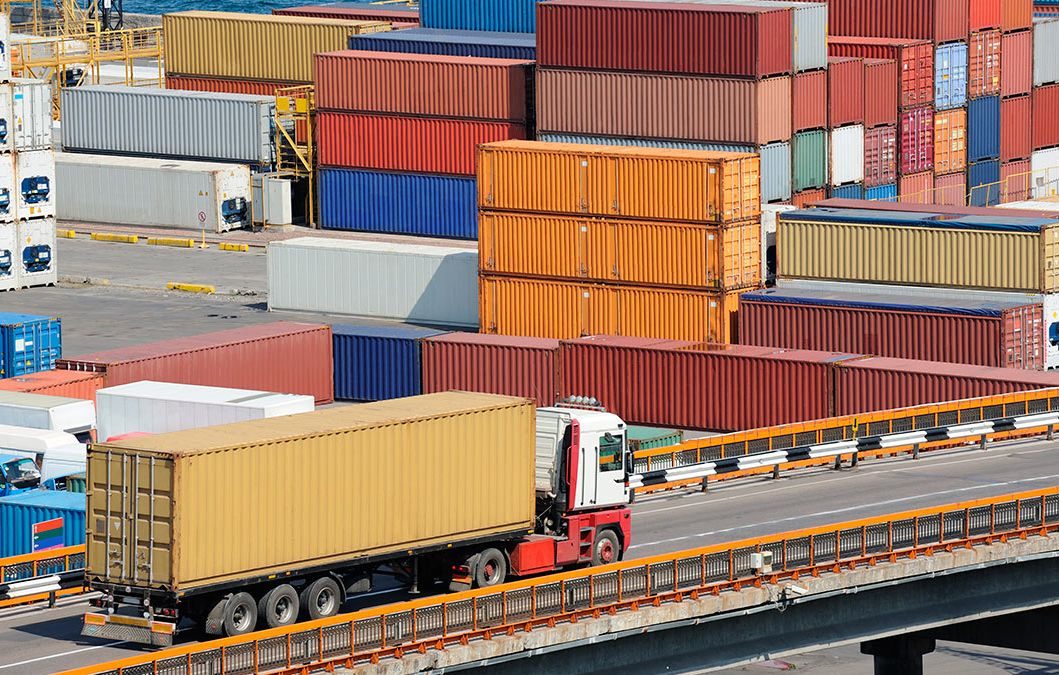
The main cause of shortages is disrupted supply chains amid the coronavirus pandemic.
Consumers and businesses around the world are facing shortages of various goods, from coffee to coal. The cause is supply chain disruptions caused by the coronavirus pandemic.
A correspondent for BBC reported that there are many other factors behind the goods shortages, and their effects are felt differently in different countries. Let's look at the situation in four countries as examples.
China. Shortages of coal and paper
The difficult situation in China has hit consumers and companies both within the country and abroad. Dr. Michal Meidan of the Oxford Institute for Energy Studies said it affects everything, from paper, food products, textiles and toys to chips for iPhones.
According to her, shortages of these goods may also occur at Christmas. The problem is mainly a consequence of the energy crisis, during which more than 20 provinces of China suffered power outages.
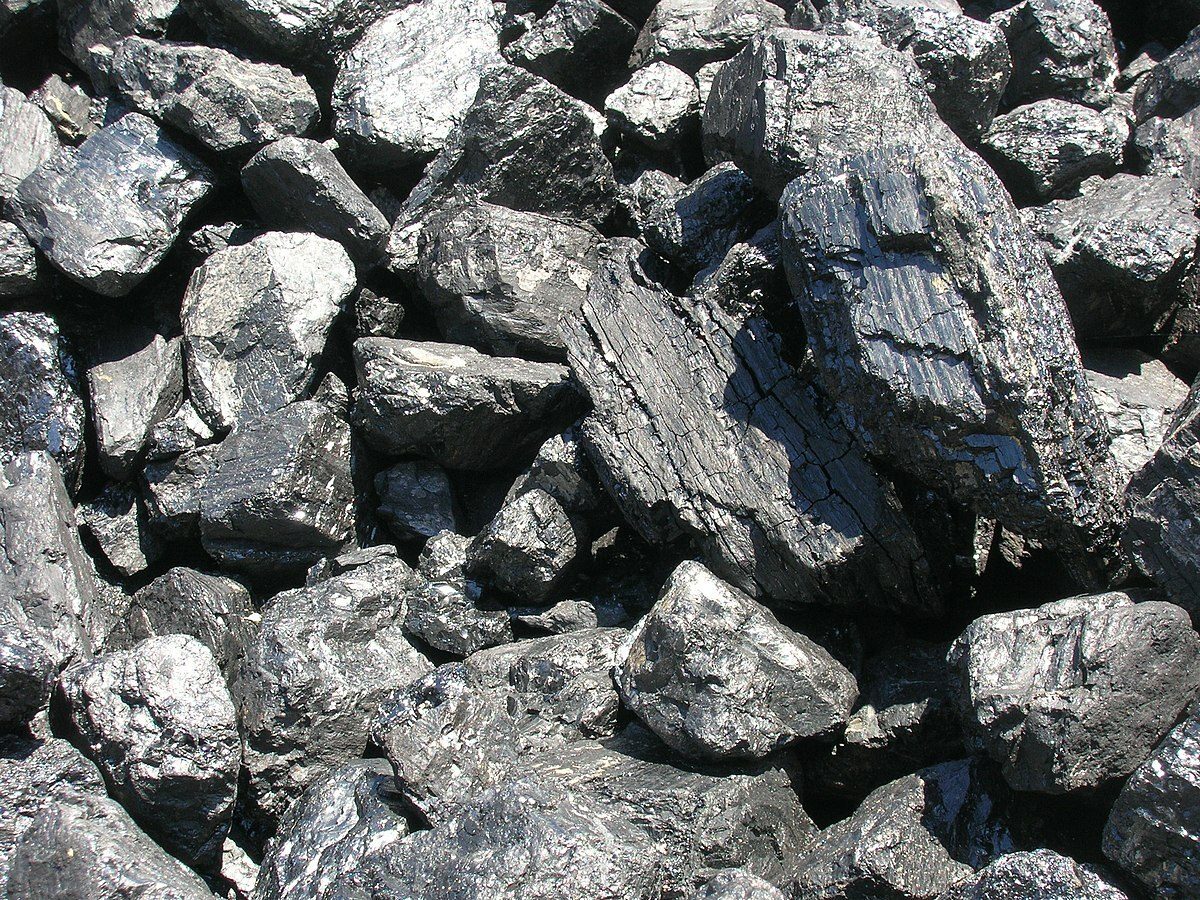
The country provides more than half of its electricity needs with coal, the price of which has risen around the world. These costs cannot be passed on to consumers in China due to strict price caps, so energy companies are cutting production.
Meidan said coal mining has also been affected by new safety checks at mines, tougher environmental rules and recent floods. This means that even amid growing demand for Chinese goods, factories are being asked to cut energy consumption or shut down for several days.
US. Shortages of toys, toilet paper and pet food
A White House official recently warned that at Christmas "there will be things people will not be able to get." This refers to stocks of toys as well as essentials, including toilet paper, bottled water, new clothing and pet food.
Part of the problem is linked to problems at US ports. Four in ten sea containers arriving in the US pass through two ports, in Los Angeles and Long Beach (California).
In September, a record 73 ships were forced to queue at the Port of Los Angeles. It is worth noting that before the coronavirus pandemic, it was unusual for more than one ship to wait. Now both ports operate around the clock and without days off to ease the pressure.
In some cases, the shortages are also caused by ongoing pandemic-related problems in other countries. For example, American sportswear giant Nike manufactures much of its products in Southeast Asian countries such as Vietnam, where factories have been closed.
A professor at Harvard Business School said that even when goods are produced, it has become harder for retailers to deliver them. Consumption in the US has surged, but disruptions at factories, in ports, and congested highways and railways have created obstacles.

India. Shortages of cars, chips and coal
Production at India's largest carmaker Maruti Suzuki has fallen sharply, partly due to a shortage of computer chips. These chips control functions such as engine power and emergency braking.
The shortage is caused by supply chain disruptions in countries such as Japan and South Korea. Global demand for chips, which are also used in phones and computers, was already rising before the pandemic due to the introduction of 5G technology. The shift to remote work led to another surge in demand, as people need work laptops or webcams.
The shortage of components made in India is being compounded by power supply disruptions in the country itself. Coal stocks have fallen to dangerously low levels. India's economy recovered after the second deadly wave of coronavirus, which led to increased energy demand. However, global coal prices rose and the country's imports fell.
According to the former head of Coal India Limited, the whole country is feeling the blow: "The entire manufacturing sector, including cement, steel and construction, will suffer from the coal shortage."
Experts believe that rising electricity prices will also hit the budgets of households in India. High inflation means that prices of essential goods such as food have already increased.

Brazil. Shortages of coffee and water
Brazil's worst drought in nearly a century has partly caused a disappointing coffee harvest in 2021. Together with frosts and the natural harvest cycle, this has led to a significant drop in coffee production.
Problems for coffee producers are worsened by high transport costs and a shortage of containers. This affects the whole world, since Brazil is the largest producer and exporter of coffee.
Most of the country's electricity depends on hydroelectric plants that use reservoirs. Water shortages directly affect the country's power supply. Amid rising energy prices, authorities are asking people to limit electricity consumption to avoid blackouts.
Brazil's energy minister said government agencies will be asked to cut electricity consumption by 20%.


Russian Attacks in Dnipropetrovsk Region: Two Killed, Seven Injured

Defense Forces Strike Four Russian Drone Control Points in Past Day, Including in Berdiansk

Britain Threatens Sanctions on Kremlin-Linked People; Poland Ready to Hand Ukraine Ammunition

Russia says it has completed "planned exercises" in the Black Sea

MVD: Fake Riots With Prop Blood Were Being Prepared Near Presidential Office

Law Enforcers Name Another Klitschko Deputy as Suspect

Berlin Holds Protest Against War in Ukraine; EU Prepares for Possible Russian Halt of Gas Supplies
North Korea Fires Ballistic Missile Over Record Distance in Five Years
Irish Fishermen Force Russia to Postpone Naval Drills

US sanctions in case of invasion of Ukraine could completely destroy Russia's economy, NYT reports
