
iPhone SE 2020 Is a Great but Unjustifiably Expensive Smartphone That Is Sure to Become Popular
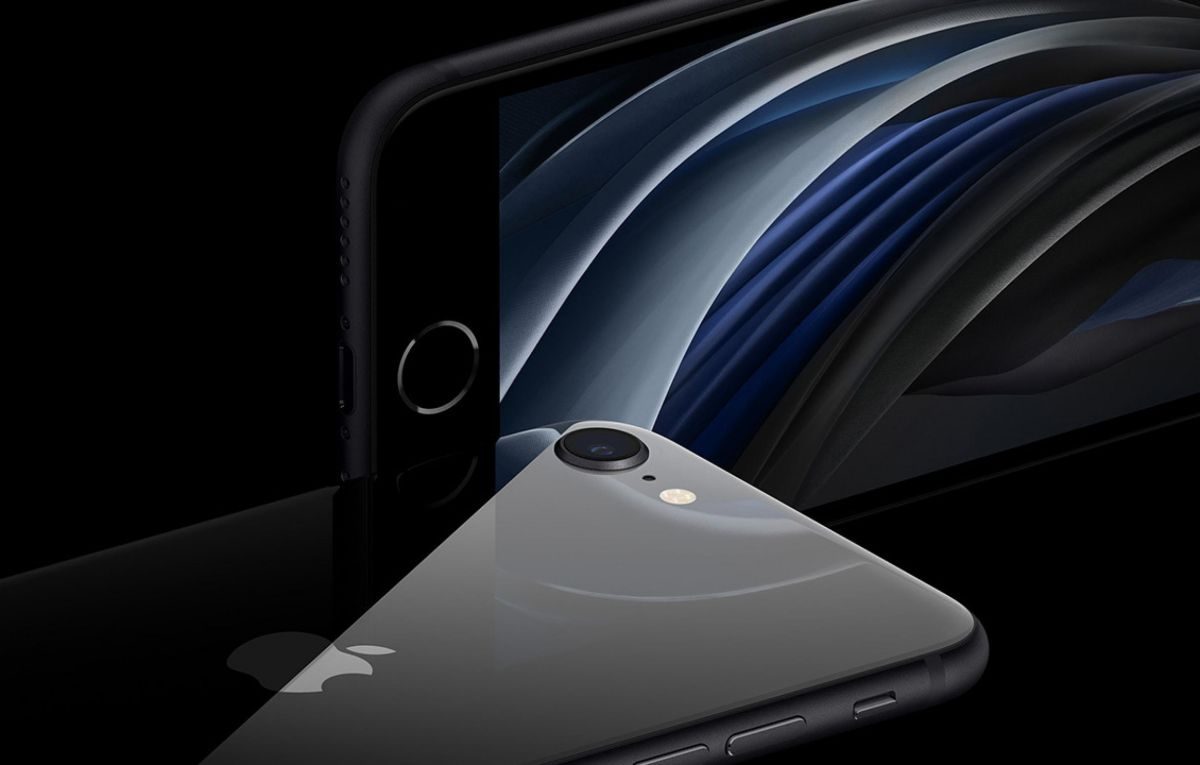
Not everyone in 2020 will choose a design from 2016-2017, Touch ID and large bezels for 14-16 thousand hryvnias.
Yesterday, April 15, Apple unveiled the new “budget” second-generation iPhone SE, which is maximally similar to the iPhone 8 in both design and price, but will last 2 years longer. Today we will look at the differences between the two devices and find out why the iPhone SE is sure to carve out its niche. Spoiler: because it is the cheapest current iPhone.
What the iPhone SE and iPhone 8 Have in Common
Getting to know any smartphone starts with its design. In this regard, the iPhone SE almost completely copies the iPhone 8 — the most noticeable change is the Apple logo on the back cover, shifted from the top to the center (as on all iPhones from 2019).
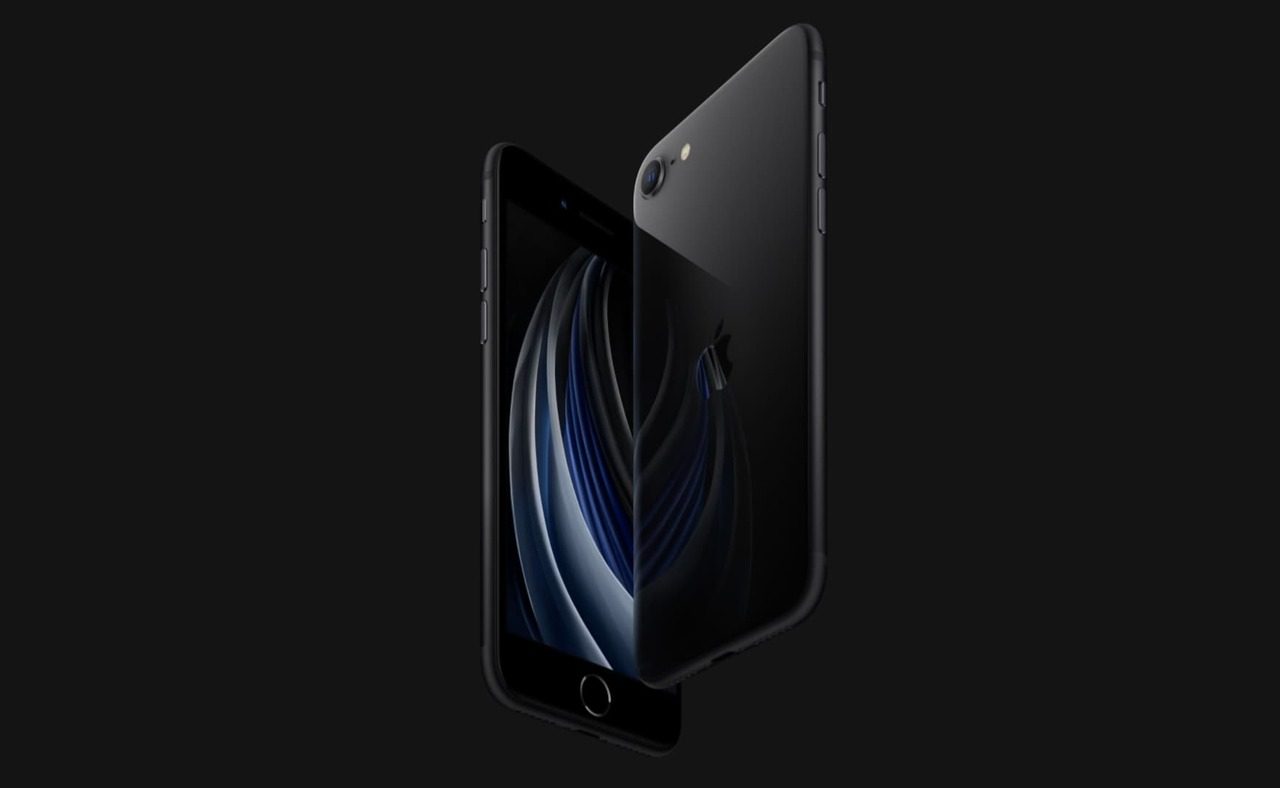
The screen remains unchanged — the same 4.7-inch IPS Retina HD with 326 ppi, but now with haptic feedback on press instead of 3D Touch (as in the current lineup). There is also the Touch ID fingerprint scanner and the ability to be submerged in water to a depth of up to 1 meter for up to 30 minutes — IP67 standard.
The new model has the same dimensions and body materials. The 3.5 mm mini jack is already standard absent. The smartphone still charges via the Lightning port rather than Type-C, and supports fast and wireless charging. The package is unchanged according to information from the official website.
The camera has barely changed, with one exception, which is discussed in more detail in the next section.
How the iPhone SE Differs from the iPhone 8
The main difference between the iPhone SE and iPhone 8 is the A13 Bionic processor from 2019 versus the A11 Bionic from 2017 (the latter is also installed in the iPhone X), which means the “budget model” will receive updates for longer and will last an extra 2 years after its competitor’s “death.”
The second important difference is the addition of XR- and XS-level Portrait mode for the main and front cameras. The iPhone 8 did not have this mode at all, and the iPhone 8 Plus and iPhone X had a less advanced version.
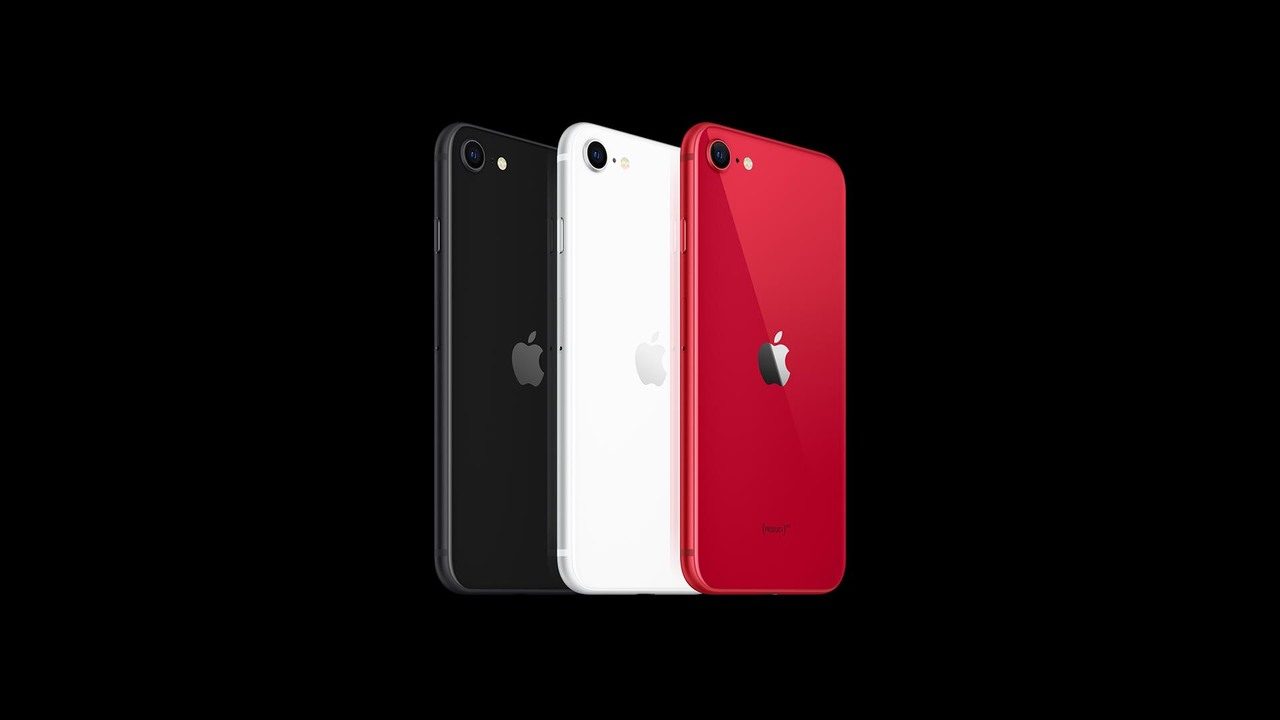
The colors have changed — instead of silver, space gray and gold, there are now white, black and red Product RED. The Plus version with a 5.5-inch screen is gone, but a 256 GB version has been added.
Other changes include Smart HDR for photos, stereo sound and the QuickTake feature for video recording, Wi-Fi 6, and support for two SIM cards (the second being eSIM).
Why the iPhone SE Will Be Popular
To answer this question, we need to go back to the origins, namely the first-generation iPhone SE from 2016. Its design resembled the iPhone 5 and 5S from 2012-2013, but with a processor from the iPhone 6S from 2015.
Even back then, many wondered: “Who will buy a smartphone with a design that is 4 years old for $400? (and that is with 16 GB of memory)”. And the situation is repeating in 2020 — Apple is releasing a “budget” iPhone with a 2016-2017 design but with up-to-date 2019 internals.
The first iPhone SE was appreciated by fans of small 4-inch screens, who did not like the lineup update to 4.7- and 5.5-inch screens. Now the market is dominated by 5.8-, 6.1- and 6.5-inch screens, and the new iPhone SE continues to occupy the niche of compact smartphones, except that in 2020 it is no longer 4 but 4.7 inches.
In essence, Apple decided to repeat the success of the first iPhone SE and in 2020 did with the iPhone 8 exactly what it did with the iPhone 5S in 2016. See for yourself:
- A current processor that will last 2 years longer than the main competitor (iPhone 8 or iPhone 5S)
- Minimum screen diagonal — 4.7 inches in 2020 and 4 inches in 2016
- Minimum price — $399 in 2020 and 2016 — the cheapest iPhone in the current lineup
- Minor overall but important for some users improvements (Portrait mode, colors, 256 GB, Smart HDR, two SIM cards, stereo sound and Wi-Fi 6)
Thus, a new iPhone has appeared on the market that will help Apple occupy a relatively budget niche and can reach several user categories at once:
- I want an iPhone but can’t or don’t want to buy an expensive smartphone
- I want a modern smartphone with minimal dimensions and screen size
- I don’t want a notch, a bezel-less screen or Face ID, but I want an iPhone
Commentators on thematic forums and websites have already started criticizing the new SE for its outdated design, lack of a bezel-less screen and Face ID, as well as its unjustifiably high price tag — the last point, by the way, is true. So, finally, about the price.
How Much the iPhone SE Will Cost in Ukraine and the US
In the US it is simple: $399, $449 and $549 for the 64, 128 and 256 GB versions respectively. In Ukraine it is more complicated and currently unknown, so I suggest looking at the Russian market, where the new iPhone SE will officially cost 40,000 rubles.
The iPhone 8, which the new SE will replace, is currently sold by an official reseller at the same price. So at official Ukrainian resellers the SE will cost the same as the iPhone 8 or slightly more — 14-16 thousand hryvnias. Moreover, 40,000 rubles at today’s exchange rate is about 15 thousand hryvnias.
Another way: in Ukraine the iPhone 11 and 11 Pro cost on average $150-200 more than in the US. So the iPhone SE will be $100-150 more expensive — 14-15 thousand hryvnias.
Within 1-2 years the new iPhone SE will definitely drop in price to 12 thousand hryvnias, and then it will become the truly budget Apple smartphone that people were waiting for, winning the hearts of millions of fans around the world.

Russian Attacks in Dnipropetrovsk Region: Two Killed, Seven Injured

Defense Forces Strike Four Russian Drone Control Points in Past Day, Including in Berdiansk

Britain Threatens Sanctions on Kremlin-Linked People; Poland Ready to Hand Ukraine Ammunition

Russia says it has completed "planned exercises" in the Black Sea

MVD: Fake Riots With Prop Blood Were Being Prepared Near Presidential Office

Law Enforcers Name Another Klitschko Deputy as Suspect

Berlin Holds Protest Against War in Ukraine; EU Prepares for Possible Russian Halt of Gas Supplies
North Korea Fires Ballistic Missile Over Record Distance in Five Years
Irish Fishermen Force Russia to Postpone Naval Drills

US sanctions in case of invasion of Ukraine could completely destroy Russia's economy, NYT reports
