
Support for Merkel's party keeps falling a month before the election: what polls say and who could win Germany's vote
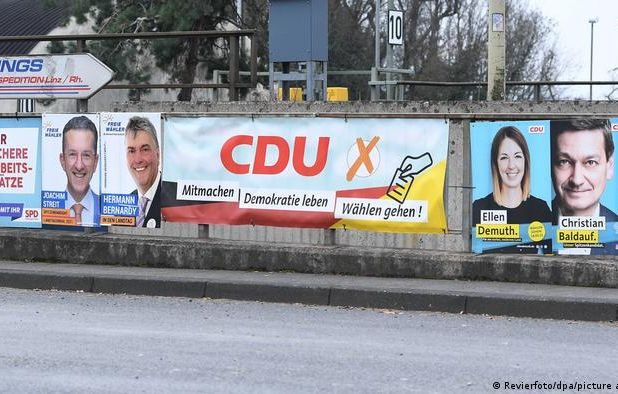
More than 70% of CDU voters demand that Armin Laschet be replaced as chancellor candidate.
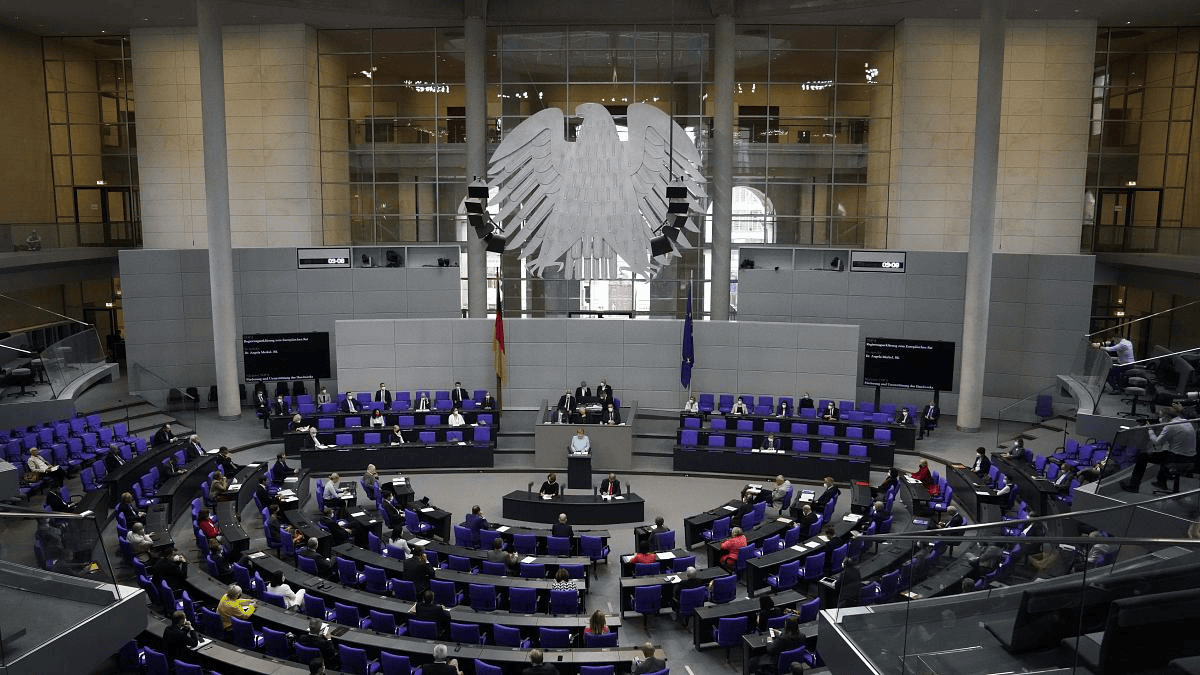
In Germany, less than a month before the Bundestag election, a fierce battle for seats in parliament is heating up, and the Christian Democratic Union (CDU) bloc of incumbent Chancellor Angela Merkel is rapidly losing support among the public.
We look at what German sociology says ahead of the election, which party may ultimately win, and how this will affect Germany's foreign policy, particularly regarding Ukraine.
Latest polling data
According to the latest poll conducted by the INSA institute, the Social Democratic Party of Germany is ahead of Angela Merkel's CDU.
At the same time, support for the SPD rose by two points from last week to 24%, the highest result in the last four years.
Support for the CDU, meanwhile, fell to 21%, the lowest figure in the entire history of polling.
This was already the second poll in the last week in which the Social Democrats lead.
It is noted that support for Merkel's Christian Democrats and their allied party, the Christian Social Union (CSU), has been steadily declining in recent weeks.
What is known about the chancellor election
In a vote for chancellor, the picture for the CDU could turn out even worse.
Thus, the poll shows that in a direct vote for chancellor, CDU leader Armin Laschet gets only 10%, which is 4% lower than the candidate from the Greens, Annalena Baerbock.
The most popular candidate among Germans, however, is the SPD candidate, Finance Minister Olaf Scholz. He receives 31% of the vote in preliminary polls.
Also, the three candidates are due to hold televised debates on the evening of August 29.
Why the CDU's rating has fallen so much
The reason for this drop in the CDU's rating is public distrust of the chancellor candidate. As the poll again showed, about 70% of those who support the CDU/CSU favor replacing Laschet with CSU leader Markus Söder.
Söder was the favorite for the chancellor candidacy from both parties, but ultimately lost to Laschet in the April contest.
Would Germany's foreign policy change if the SPD came to power
Under the current situation, Germany's policy of rapprochement with Russia is unlikely to change significantly, as the SPD has traditionally supported this course, which dates back to the Cold War.
However, the SPD's chancellor candidate, on the contrary, has repeatedly publicly criticized the Russian government for the annexation of Crimea and aggression in eastern Ukraine, as well as for domestic pressure on civil society.
Despite this, Laschet supports the Nord Stream 2 gas pipeline, which Ukraine and other Eastern European countries regard as a weapon and a means of influence on the European energy market, and which is primarily used against Ukraine.

Russian Attacks in Dnipropetrovsk Region: Two Killed, Seven Injured

Defense Forces Strike Four Russian Drone Control Points in Past Day, Including in Berdiansk

Britain Threatens Sanctions on Kremlin-Linked People; Poland Ready to Hand Ukraine Ammunition

Russia says it has completed "planned exercises" in the Black Sea

MVD: Fake Riots With Prop Blood Were Being Prepared Near Presidential Office

Law Enforcers Name Another Klitschko Deputy as Suspect

Berlin Holds Protest Against War in Ukraine; EU Prepares for Possible Russian Halt of Gas Supplies
North Korea Fires Ballistic Missile Over Record Distance in Five Years
Irish Fishermen Force Russia to Postpone Naval Drills

US sanctions in case of invasion of Ukraine could completely destroy Russia's economy, NYT reports
