
Methadone: What Is Known About the Drug Found in the Blood of MP Polyakov
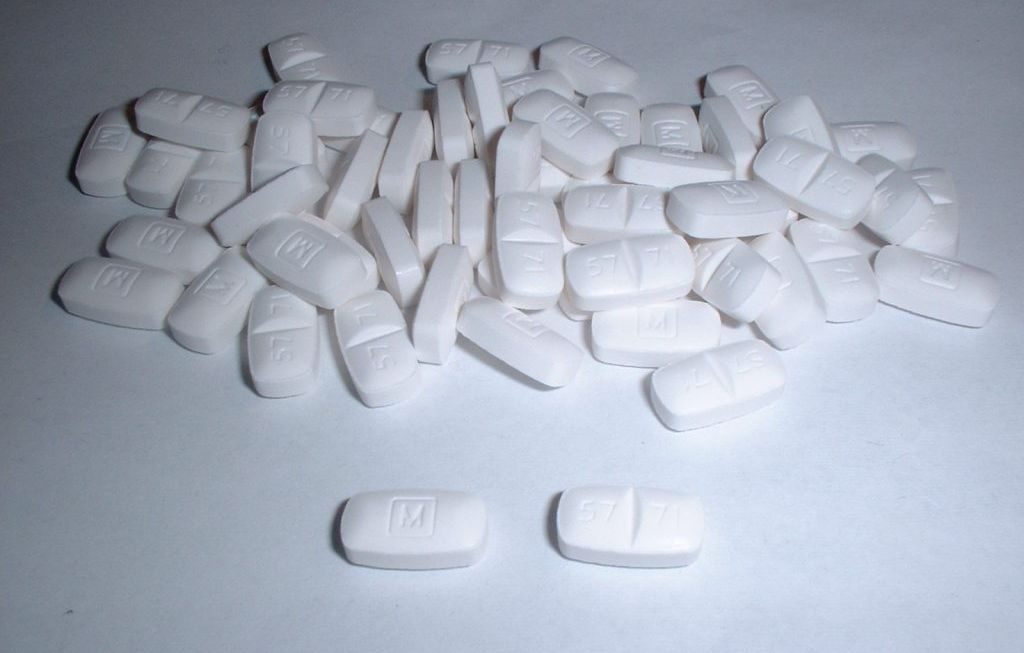
Methadone is a powerful drug resembling heroin.
Law enforcement confirmed that traces of methadone, in addition to alcohol, were found in the blood of People's Deputy Anton Polyakov, who died on October 8.
Methadone is a drug that resembles heroin in its effects and is used as a substitute for it. Methadone combined with alcohol intensifies the impact on the body and increases the risk of overdose and death.
What is known about methadone
Methadone is a synthetic opioid drug. Its effects on the body are similar to those of heroin, opium, codeine or morphine. It was first synthesized in Germany in the 1930s as a powerful painkiller.
Drug treatment centers describe the substance as follows: “It has analgesic, sedative and relaxing effects. It belongs to the group of the most severe drugs of the opium group; with regular use it destroys a person's physical health, central nervous system, brain, psycho-emotional state, as well as their social life.”
In many countries, including Ukraine, methadone is used in substitution therapy for people dependent on heroin. Methadone itself causes no less dependence, since during therapy it is taken orally (in tablets or as a syrup) rather than by injection, which reduces the risk of spreading AIDS, hepatitis and other diseases.
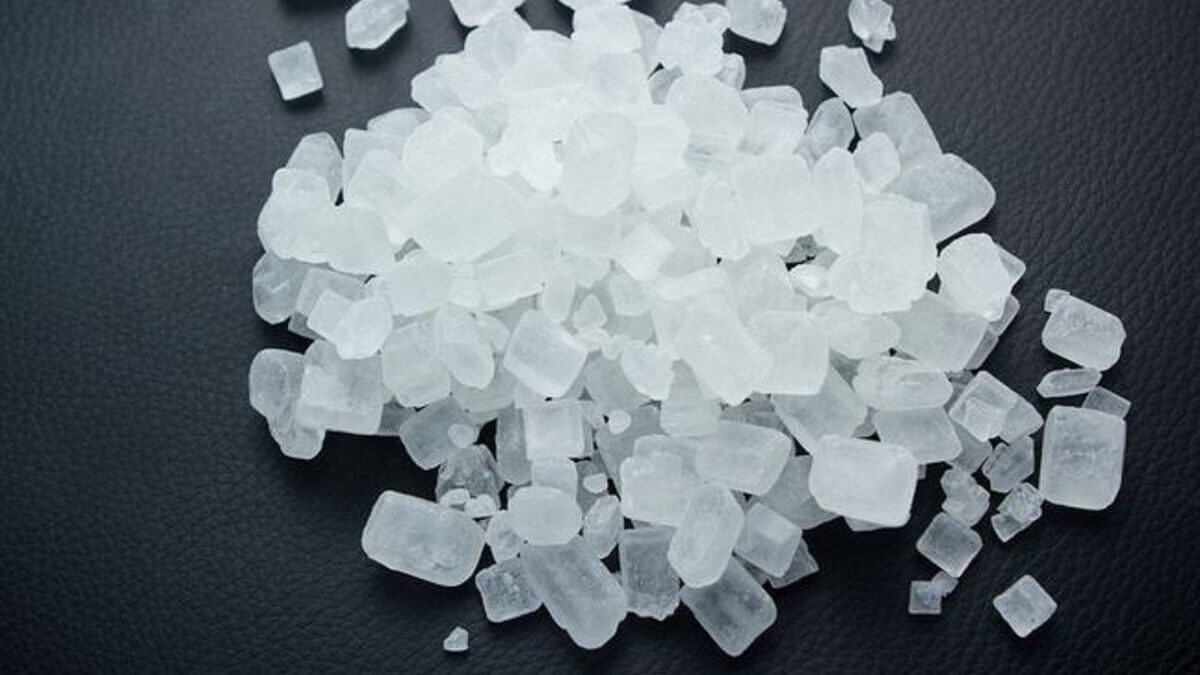
The substance acts longer than “substitutes,” so methadone is not taken as often for addictions. Many criticize methadone substitution therapy because after it, the person then needs to be treated for a new addiction.
Methadone is banned in Russia. According to the UN, after the illegal annexation of Crimea, substitution therapy was stopped, and as a result dozens of former patients died without proper care. Physical dependence on methadone is stronger and lasts longer than on heroin.
The International Anti-Drug Association states: “Without the drug, withdrawal sets in, lasting up to one month. The withdrawal syndrome is stronger than that from other drugs.” In Ukraine, in addition to official methadone for substitution therapy, there is also an illegal version.
Volodymyr Yaryi
former head of the Kyiv narcological dispensaryClassic heroin has been almost absent in Ukraine for several years. Its place has been taken by street methadone, a cheaper and more accessible substance, and a more complicated one, at least from our point of view. Detoxification of people who used street methadone takes more than 10 days, whereas with heroin it usually takes up to 10 days.
Alcohol
Rehabilitation centers warn that combining methadone with alcohol makes the consequences of drug use even more severe.
Alcohol and methadone enhance each other's effects, while the effect of methadone comes in waves, so a person may take additional doses, thinking they “don't have enough” of the previous ones. All of this can lead to loss of consciousness, coma and a slowed heartbeat.
Methadone also increases the risk of blood clots and other heart problems. In severe cases this ends in death. Sometimes death can occur during sleep due to cessation of breathing and heart function.
What happened to Polyakov
According to law enforcement, People's Deputy Anton Polyakov drank alcohol on the evening of his death with Ruslan Dzhambulatov, an aide to Deputy Anna Skorokhod, who was described as his “partner.”
They then drove around Kyiv, after which they hailed a taxi for Polyakov, in which he was supposed to go home. In the car the deputy felt unwell, vomited and lost consciousness. Police and an ambulance could not save him.
Traces of methadone, in addition to alcohol, were found in the blood of Anton Polyakov.

Russian Attacks in Dnipropetrovsk Region: Two Killed, Seven Injured

Defense Forces Strike Four Russian Drone Control Points in Past Day, Including in Berdiansk

Britain Threatens Sanctions on Kremlin-Linked People; Poland Ready to Hand Ukraine Ammunition

Russia says it has completed "planned exercises" in the Black Sea

MVD: Fake Riots With Prop Blood Were Being Prepared Near Presidential Office

Law Enforcers Name Another Klitschko Deputy as Suspect

Berlin Holds Protest Against War in Ukraine; EU Prepares for Possible Russian Halt of Gas Supplies
North Korea Fires Ballistic Missile Over Record Distance in Five Years
Irish Fishermen Force Russia to Postpone Naval Drills

US sanctions in case of invasion of Ukraine could completely destroy Russia's economy, NYT reports
