
During NATO Summit, Alliance Made No Concessions to Russia on Demand Not to Admit Ukraine
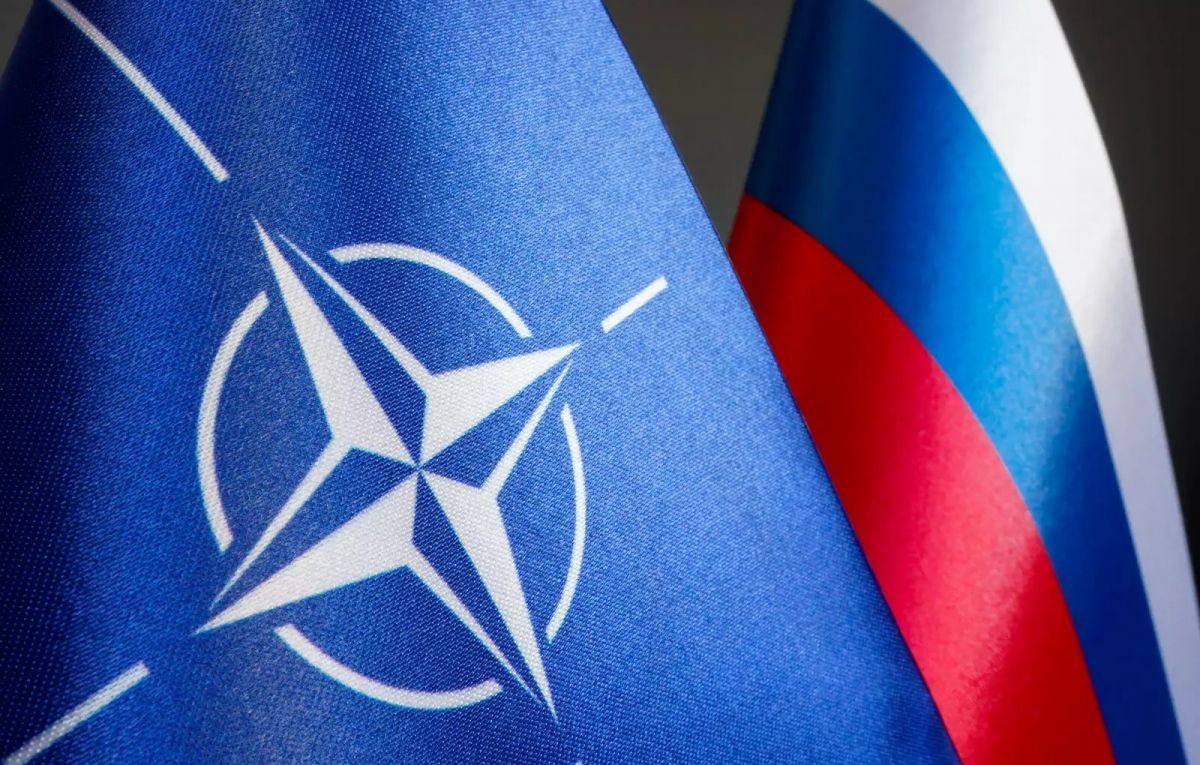
Talks at the NATO-Russia Council session lasted longer than planned.
NATO and Russia had a serious and direct discussion about the situation in and around Ukraine, as well as the implications for European security. The NATO member states and Russia have differences on these issues.
NATO Secretary General Jens Stoltenberg announced this at a briefing on the results of the talks at the NATO-Russia Council session. A joint press appearance by the negotiation participants was not planned, LB.ua reports.
Jens Stoltenberg
NATO Secretary GeneralThe differences will be hard to overcome, but a positive sign is that all NATO member states and Russia sat down at the negotiating table to discuss substantive issues.
According to Stoltenberg, Russia demanded that NATO not admit new members and withdraw forces from the eastern NATO member states. The member states responded that they would continue the open door policy for new countries and defend every state's right to choose its own security.
Jens Stoltenberg
NATO Secretary GeneralNATO member states made it clear that they will not give up defending one another, including with troop presence in the eastern part of NATO. At the same time, Russia and the bloc's members expressed the need to resume dialogue and find a schedule for further meetings.
The Alliance is ready to talk with Russia at new meetings and to make specific proposals. In particular, the bloc wants to discuss increasing transparency of military exercises, reducing space and cyber threats, preventing dangerous military incidents, and arms control, including the deployment of missiles.
"NATO member states have a sober view... they expressed serious concern about Russian troops in and around Ukraine and called on Russia to de-escalate immediately," Stoltenberg said.
Russia was also urged to refrain from aggression against the bloc's countries. "This means our dialogue is difficult but necessary," the Secretary General added.
The session began around 11:00 Kyiv time and lasted somewhat longer than expected: the briefing was first announced for 14:30, then for 15:15, and finally began around 15:30.
Stoltenberg chaired the Council session, Russia was represented by Deputy Foreign Minister Alexander Grushko, and representatives of each of the bloc's 30 member states were also present.
The last Russia-NATO meeting took place on July 5, 2019. The decision to resume talks in this format was made against the backdrop of Russia massing troops and equipment near Ukraine's borders and Russians putting forward ultimatums about the bloc not expanding eastward.
The Kremlin demands legal guarantees that the states of Eastern Europe will never be able to become members of the North Atlantic alliance. Meanwhile, Russia's negotiator at the summit with the US, Sergei Ryabkov, directly demanded that Ukraine in particular never be drawn into NATO. The Kremlin also wants a reduction in the number of NATO weapons in Europe.
The scale of military exercises and the amount of equipment on the continent are things the US and NATO are ready to discuss, but the Alliance as a whole and its member states individually rule out that Russia can dictate who may or may not join the bloc.
They note: NATO will continue its open door policy, and regarding Ukraine, only the state itself and the 30 member states of the bloc have the right to decide whether to join the Alliance.

Russian Attacks in Dnipropetrovsk Region: Two Killed, Seven Injured

Defense Forces Strike Four Russian Drone Control Points in Past Day, Including in Berdiansk

Britain Threatens Sanctions on Kremlin-Linked People; Poland Ready to Hand Ukraine Ammunition

Russia says it has completed "planned exercises" in the Black Sea

MVD: Fake Riots With Prop Blood Were Being Prepared Near Presidential Office

Law Enforcers Name Another Klitschko Deputy as Suspect

Berlin Holds Protest Against War in Ukraine; EU Prepares for Possible Russian Halt of Gas Supplies
North Korea Fires Ballistic Missile Over Record Distance in Five Years
Irish Fishermen Force Russia to Postpone Naval Drills

US sanctions in case of invasion of Ukraine could completely destroy Russia's economy, NYT reports
