
Russian Defense Ministry Says NATO Is Preparing for Armed Conflict with Russia
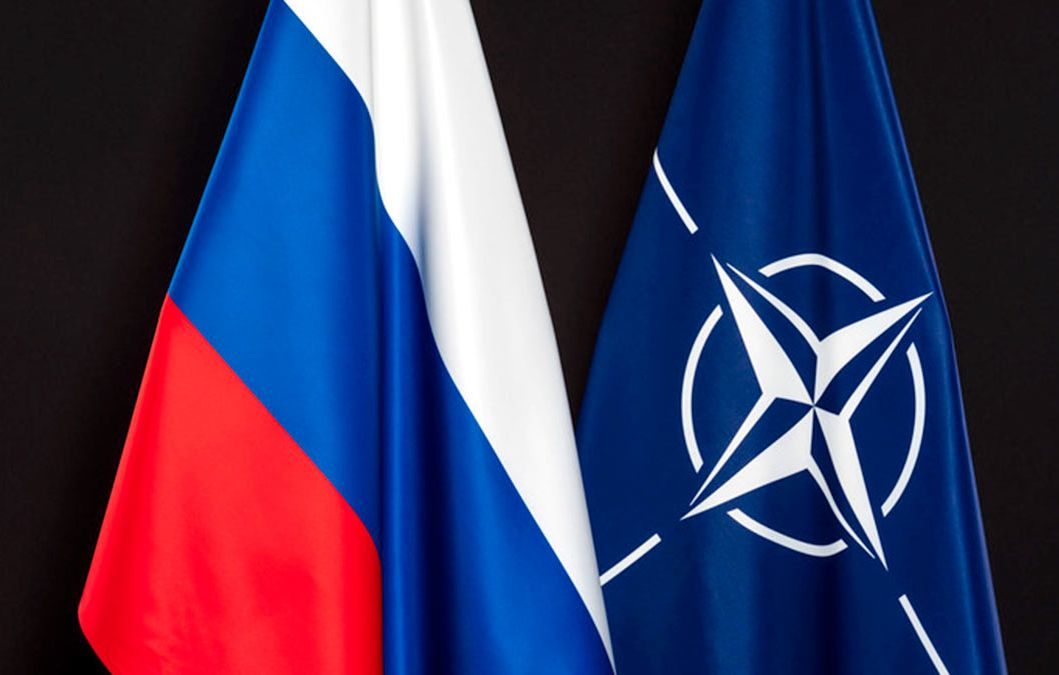
NATO has tallied how many times Russian aircraft were intercepted over the past year.
The Russian Defense Ministry said NATO is preparing for a large-scale armed conflict with Russia.
Alexander Fomin
Deputy Defense Minister of RussiaThe alliance's military buildup has been fully refocused on preparing for a large-scale, high-intensity armed conflict with Russia. <...> Recently, the alliance has moved to a practice of direct provocations carrying a high risk of escalating into armed confrontation.
As an example, Fomin cited an attempt by the British guided-missile destroyer Defender on June 23 to "enter Russian territorial waters" near Cape Fiolent off the coast of Crimea, which is occupied by Russia.
According to him, in the Black Sea region, the intensity of reconnaissance aviation deployments has risen by more than 60% compared with 2020.
The number of aircraft sorties rose from 436 to 710. The presence in the Black Sea of warships and auxiliary vessels from non-regional NATO states, according to the deputy defense minister, "has effectively become permanent."
He believes that relations between Russia and NATO began to deteriorate before 2014. According to him, NATO holds some thirty major exercises a year that rehearse waging war against Russia.
Fomin said Western partners themselves provoked the events in Ukraine, and the North Atlantic alliance used them as a pretext to end cooperation with Russia.
According to the Russian Defense Ministry, an unscheduled briefing for military attachés and representatives of foreign embassies accredited in Moscow was attended by 105 foreign military attachés and embassy representatives from 65 foreign states, including 18 people representing 14 NATO countries.
How many Russian aircraft NATO intercepted
In 2021, fighters of NATO's Air Policing mission carried out 370 intercept sorties against various aircraft, of which 290 sorties were to identify Russian aircraft and monitor them.
Most aircraft were intercepted in the Baltic states. As a rule, the missions proceeded without incident.
Compared with 2020, the number of sorties related to Russia decreased in 2021 — a year earlier there were about 350.
When an alarm is triggered, NATO fighters must be airborne within minutes to use visual contact to determine whether a suspicious object poses a threat.
Most often, the missions are carried out because of Russian aircraft. Military aircraft from other countries or passenger/cargo planes that cannot be immediately identified rarely take part.
Back in 2014, after the start of the conflict in Ukraine, air surveillance over the Baltic states was stepped up at the request of the eastern allies Lithuania, Latvia and Estonia. The alliance said that more than 60 fighters in total are ready to act.

Russian Attacks in Dnipropetrovsk Region: Two Killed, Seven Injured

Defense Forces Strike Four Russian Drone Control Points in Past Day, Including in Berdiansk

Britain Threatens Sanctions on Kremlin-Linked People; Poland Ready to Hand Ukraine Ammunition

Russia says it has completed "planned exercises" in the Black Sea

MVD: Fake Riots With Prop Blood Were Being Prepared Near Presidential Office

Law Enforcers Name Another Klitschko Deputy as Suspect

Berlin Holds Protest Against War in Ukraine; EU Prepares for Possible Russian Halt of Gas Supplies
North Korea Fires Ballistic Missile Over Record Distance in Five Years
Irish Fishermen Force Russia to Postpone Naval Drills

US sanctions in case of invasion of Ukraine could completely destroy Russia's economy, NYT reports
