
How South Korea Is Holding Back Coronavirus and Why Hundreds of Countries Are Asking It for Help
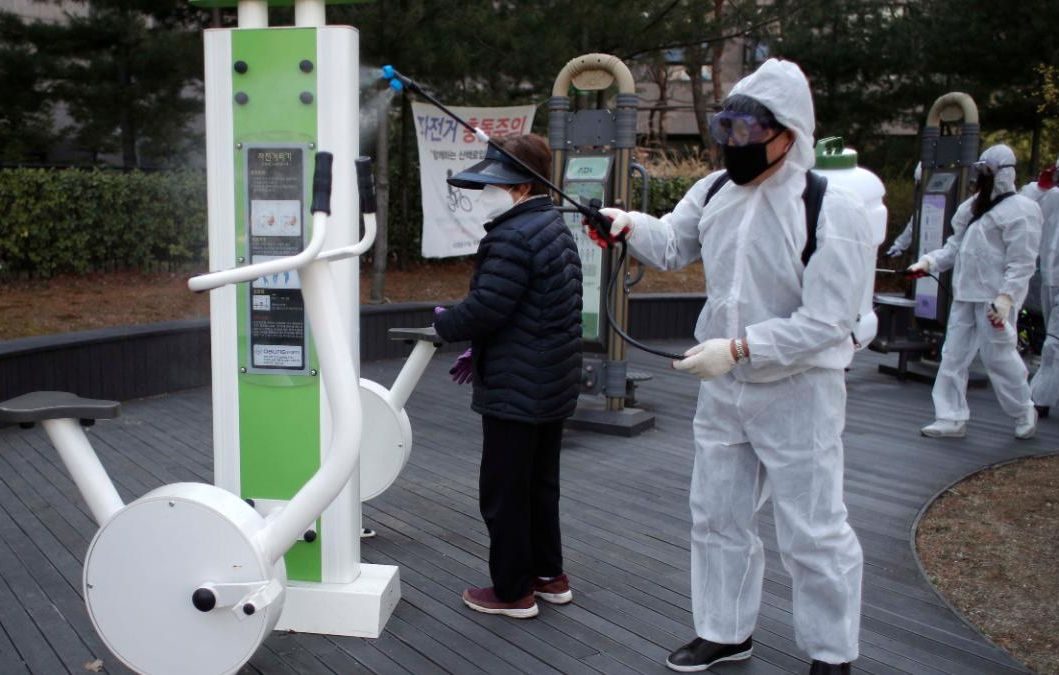
What is behind the East Asian approach to fighting the pandemic?
While panic over the coronavirus pandemic continues to grip the whole world, the situation in South Korea is much calmer: in the country of 52 million people, fewer than 10 thousand infections and 165 deaths have been recorded.
Despite nearly 18 thousand people being tested daily, only 89 new infections were recorded over the last day. The country, located very close to the epicenter of the pandemic, has officially already surpassed 15 countries in the number of deaths — and we are not talking about the Korea that is closed off and which still insists there is no coronavirus in the country.
Largest number of coronavirus deaths according to official data (01.04.2020):
- Italy: 12,428
- Spain: 9,053
- USA: 4,056
- France: 3,523
- China: 3,312
- Iran: 3,036
- United Kingdom: 1,789
- Netherlands: 1,039
- Belgium: 828
- Germany: 788
- Switzerland: 433
- Turkey: 214
- Brazil: 202
- Sweden: 180
- South Korea: 165
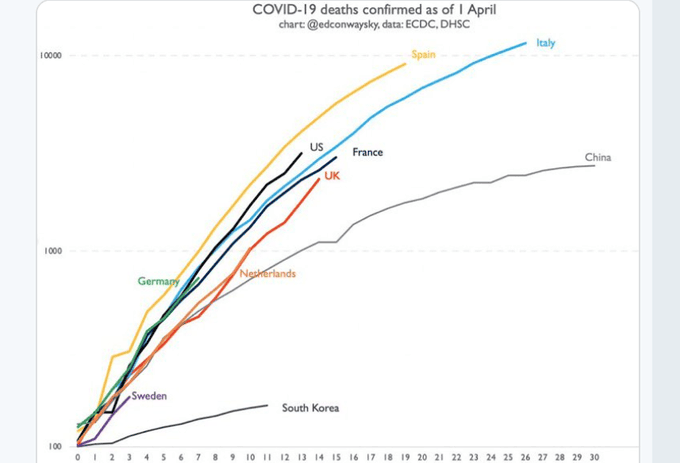
On April 1, South Korea's foreign minister said that the country had received requests for help with COVID-19 testing from 121 countries. He did not name the countries, but it is known that the leaders of France (Emmanuel Macron) and Sweden (Stefan Löfven) did turn to him, and Korean test manufacturers already have contracts to supply the United States and Italy.
Having experience fighting SARS, South Korean authorities quickly settled on a methodology for combating COVID-19, focusing on testing and tracing the virus. By conducting mass testing, isolating the sick, and actively practicing social distancing (incidentally, this term came from President Moon Jae-in), South Korea has learned to resist the deadly infection.
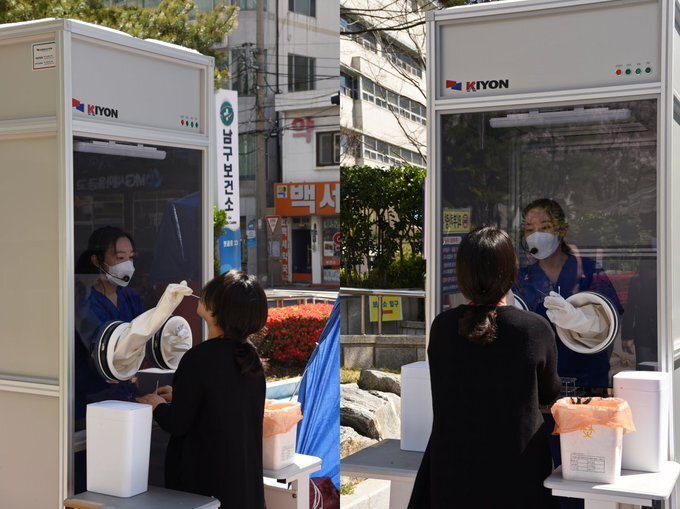
South Korea conducts 100 thousand tests a day, including checking people who have only mild symptoms — this can now be done in 7 minutes both on the streets and at car drive-throughs. The state border is under strict control — the day before, 8 people arriving from other countries were sent home after refusing to undergo a two-week quarantine.
Inside the country, pharmacies also have queues of people wanting to buy masks, and the education system is also in a somewhat suspended state — entrance exams have been postponed, and lectures and lessons will be held online. But a strict lockdown has not been introduced, and business by and large continues to operate.
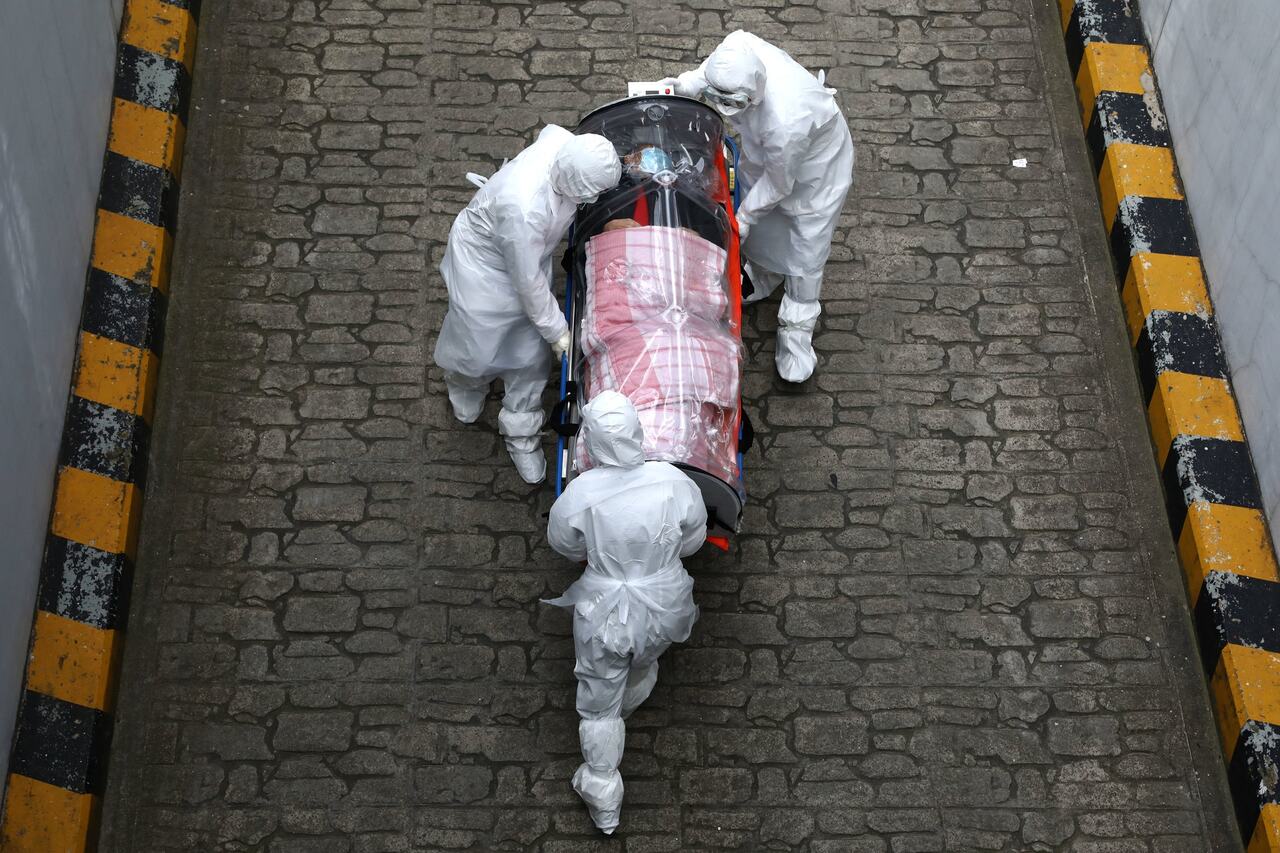
"South Korea knew how to deal with this without restricting people's movement, because the source of the virus spread was identified — one of the church gatherings," said epidemiologist Ki Mo-ran to The New York Times.
"We conducted our epidemiological investigations like police detectives," said Dr. Ki, who was given access to surveillance camera footage, credit card records and even GPS signals linked to a car or mobile phone.
Now South Korea has no serious restrictions on citizens' movement, but a country that conducts 100 thousand tests daily and actively takes disinfection measures, a country whose residents can even enter themselves as infected in a smartphone app — such a country can afford it.
Anatoly Andreiko, TK Media
Based on foreign media reports

Russian Attacks in Dnipropetrovsk Region: Two Killed, Seven Injured

Defense Forces Strike Four Russian Drone Control Points in Past Day, Including in Berdiansk

Britain Threatens Sanctions on Kremlin-Linked People; Poland Ready to Hand Ukraine Ammunition

Russia says it has completed "planned exercises" in the Black Sea

MVD: Fake Riots With Prop Blood Were Being Prepared Near Presidential Office

Law Enforcers Name Another Klitschko Deputy as Suspect

Berlin Holds Protest Against War in Ukraine; EU Prepares for Possible Russian Halt of Gas Supplies
North Korea Fires Ballistic Missile Over Record Distance in Five Years
Irish Fishermen Force Russia to Postpone Naval Drills

US sanctions in case of invasion of Ukraine could completely destroy Russia's economy, NYT reports
