
There Are So Many Now: Which iPhone to Choose at the End of 2020
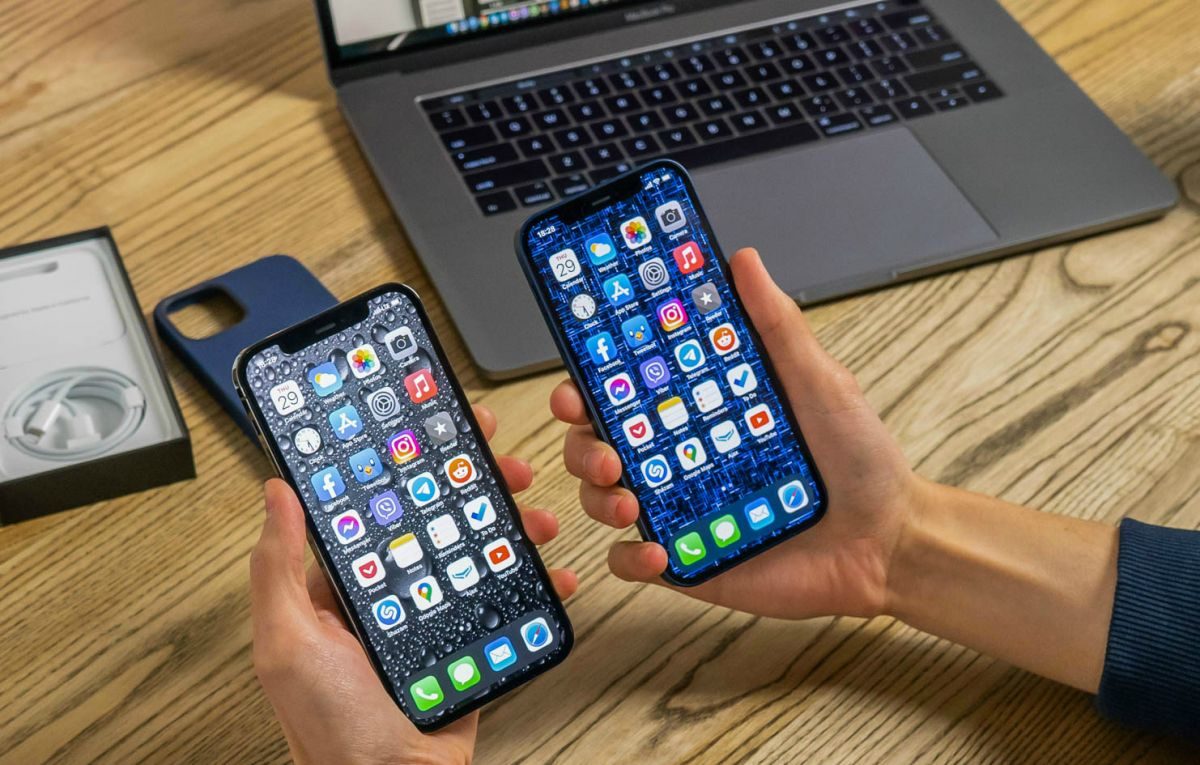
There is now an option for every taste and budget.
At another autumn Apple presentation, the company unveiled four new iPhones, expanding its current lineup to a historic high. But official resellers and the used market still have older models that are also worth considering.
Today the iPhone lineup has a device for different budgets, needs and other owner preferences. Screens range from 4.7 to 6.7 inches, edge-to-edge with Face ID or with bezels and Touch ID, more than 15 different colors, one to three cameras with LiDAR, and 32 to 512 GB of built-in storage.
12 Pro Max — the very best
The most expensive iPhone also turned out to be the largest in history — the 6.7-inch screen exceeded buyers' expectations, judging by reviews. The Super Retina XDR OLED display is no different from its predecessor, but it remains the best among iPhones.
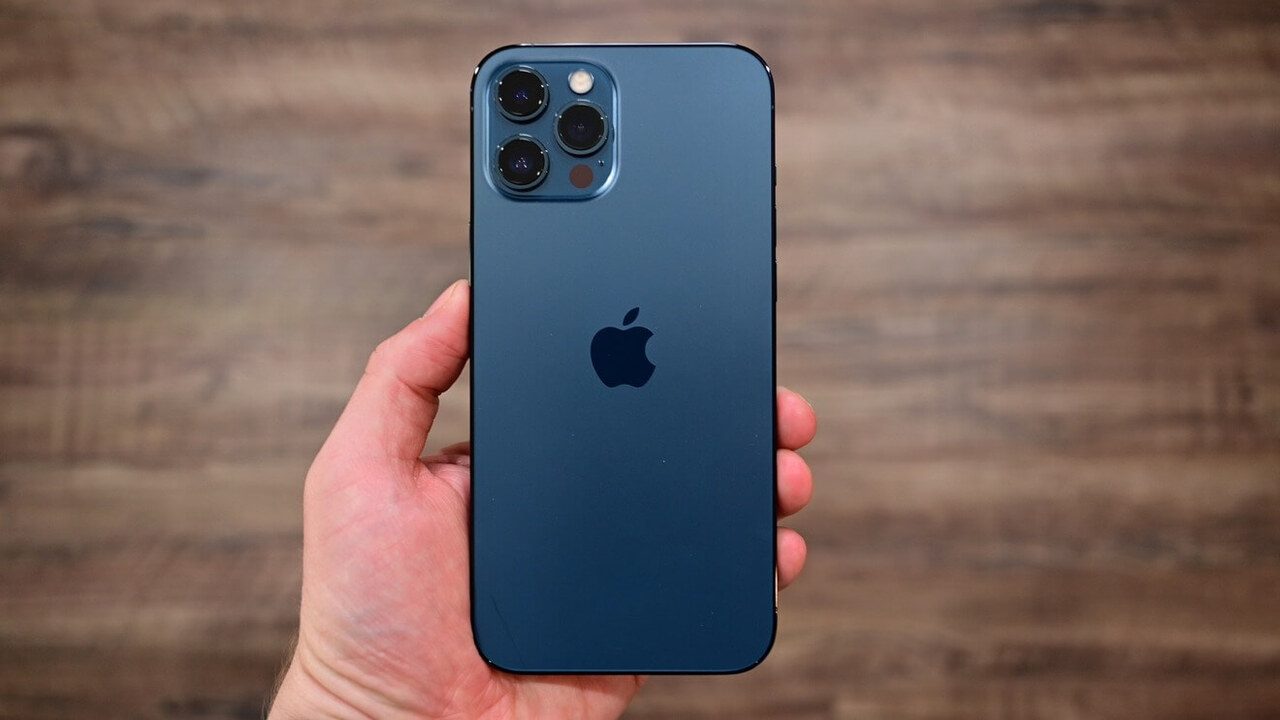
Triple camera: wide-angle, ultra-wide and telephoto, with support for shooting HDR video in the Dolby Vision standard at 60 frames per second. Five-times optical zoom and a LiDAR scanner for night-mode portraits, faster autofocus in low light and augmented reality of a new level.
A new A14 Bionic processor, 6 GB of RAM (a record for iPhone), three colors (including the new "Pacific Blue") and support for the new (well-forgotten old) MagSafe technology. This is the best iPhone on the market in every respect. But it is also the most expensive — 44,000 UAH for the 128 GB version.
The iPhone 12 and 12 Pro are not worth choosing because of their inflated prices and the lack of significant advantages over their predecessors. The largest is the 12 Pro Max, the smallest is the 12 Mini. The middle size is the iPhone 11/XR.
12 Mini — the smallest
In 2020 Apple delighted fans not only with the largest iPhone in history, but also with the smallest version with modern hardware. The same Super Retina XDR OLED display, but with a diagonal of just 5.4 inches. The device is smaller than the iPhone 7, 8 and SE 2 — incredible!
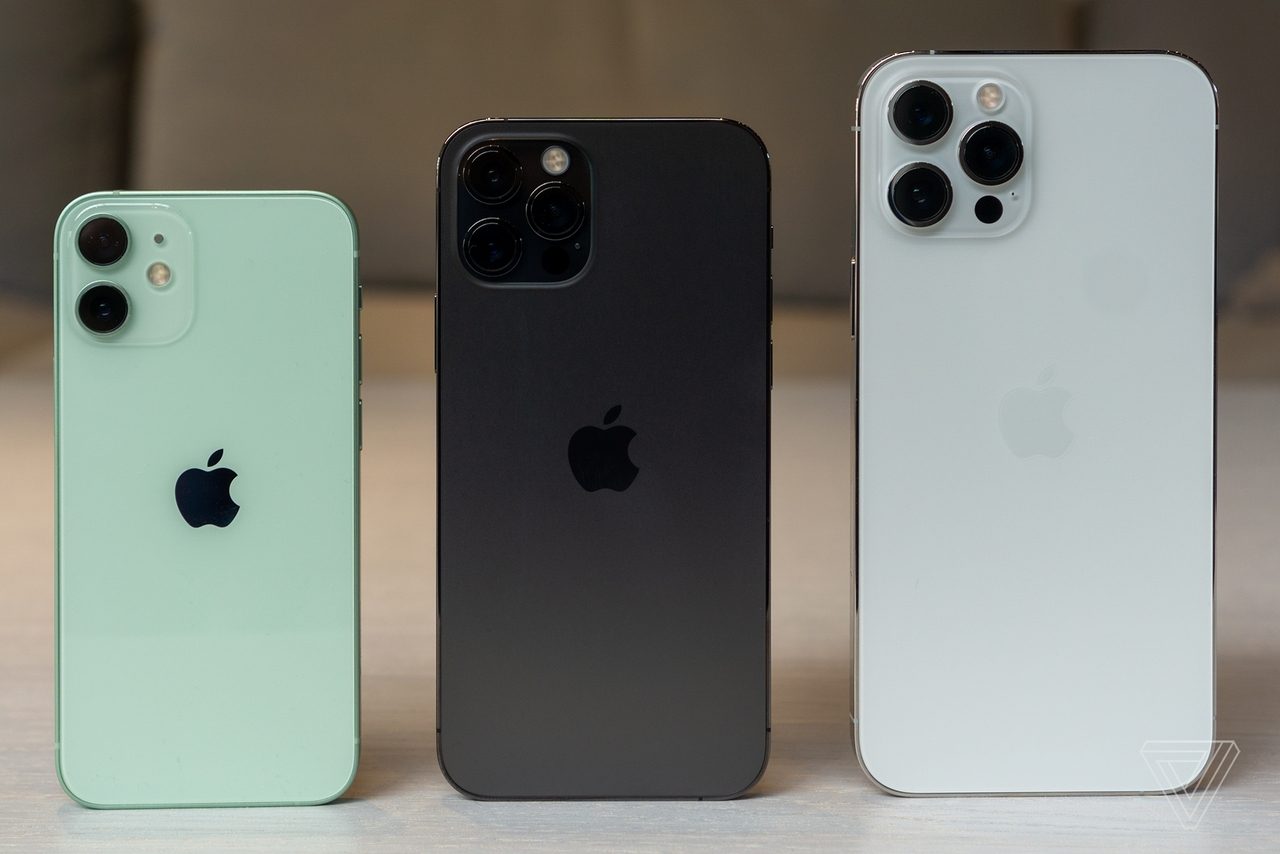
A fresh design, the modern A14 Bionic processor and a choice of five colors: white, red, black, blue and green. The price is still unjustifiably high — 28,000 UAH for the 64 GB version, but an unquestionably good choice for those looking for a compact device.
The main drawback of the iPhone 12 Mini is its battery. Because of the device's size, it was simply not physically possible to fit a battery that would allow active use of the smartphone for a full day: shooting video, playing games, watching movies. But a user with average digital activity will get exactly one day out of the 12 Mini's battery.
The 11 and XR — the best choice
The "budget" models from 2019 and 2018 are already the most popular iPhones, but with the release of the 2020 lineup these two devices will continue to capture the smartphone market, since their prices have dropped even further.
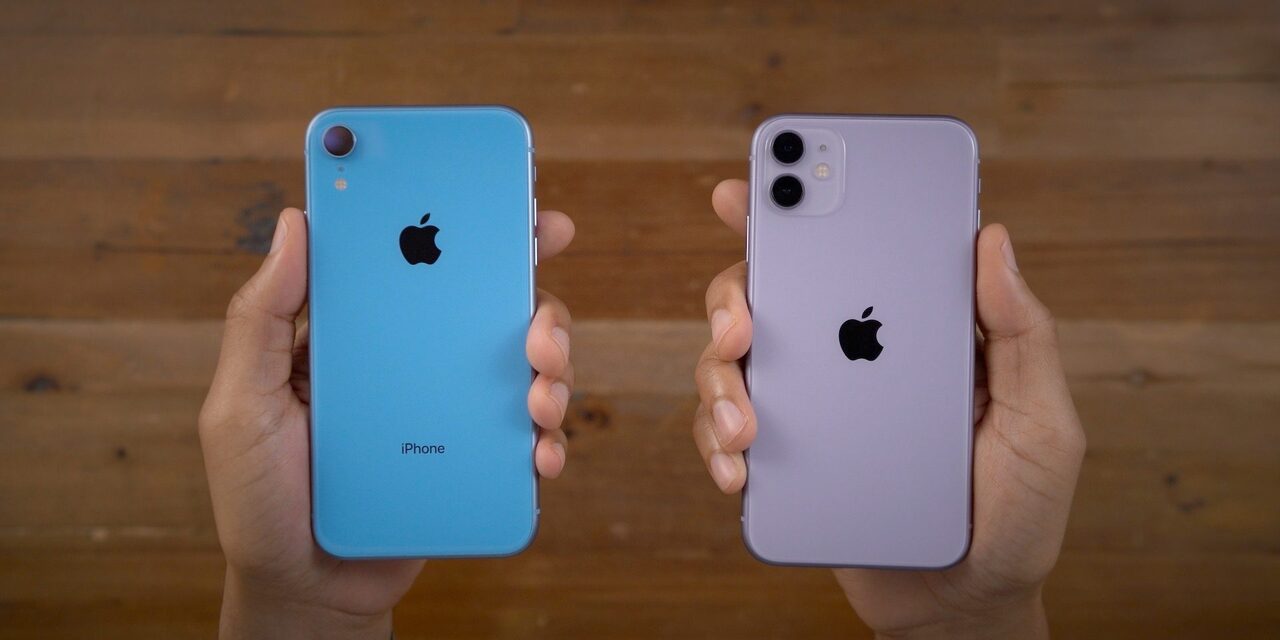
The good IPS Liquid Retina HD LCD display falls short of the competition's flagship models, but remains an excellent option for most users. The 6.1-inch screen is the golden mean, allowing comfortable viewing not only of short videos but even of films and series.
For reasonable money, the user gets a modern edge-to-edge design with Face ID, a huge palette of colors, a good wide-angle camera in the XR and, as a bonus, an ultra-wide camera in the 11. These devices have modern A12 Bionic and A13 Bionic processors — each will last another 3–4 years from the date of publication.
Excellent battery life (the battery lasts a full day), a minimum of 64 GB of built-in storage (no need to overpay for the 128 GB version), and a maximally comfortable price — 19,000 and 23,000 UAH for the 64 GB versions of the XR and 11 respectively — all of this makes both devices ideal purchases today. Choose between them based on price and design.
Instead of the 11 Pro, it is better to save and buy the 11, and instead of the 11 Pro Max, overpay for the 12 Pro Max. The X and XS models are not worth their money because of the minimal price difference from the XR and 11 respectively. The XS Max can be considered for purchase, but it would be more sensible to save and buy the 11.
8 — the cheapest and the simplest
Although the iPhone 8 came out almost simultaneously with the iPhone X back in 2017, it can still be considered for purchase. It is better to do so on the used market, where an "eight" can be found for a reasonable 8,000 UAH instead of the official 12,000–13,000 UAH at authorized resellers.
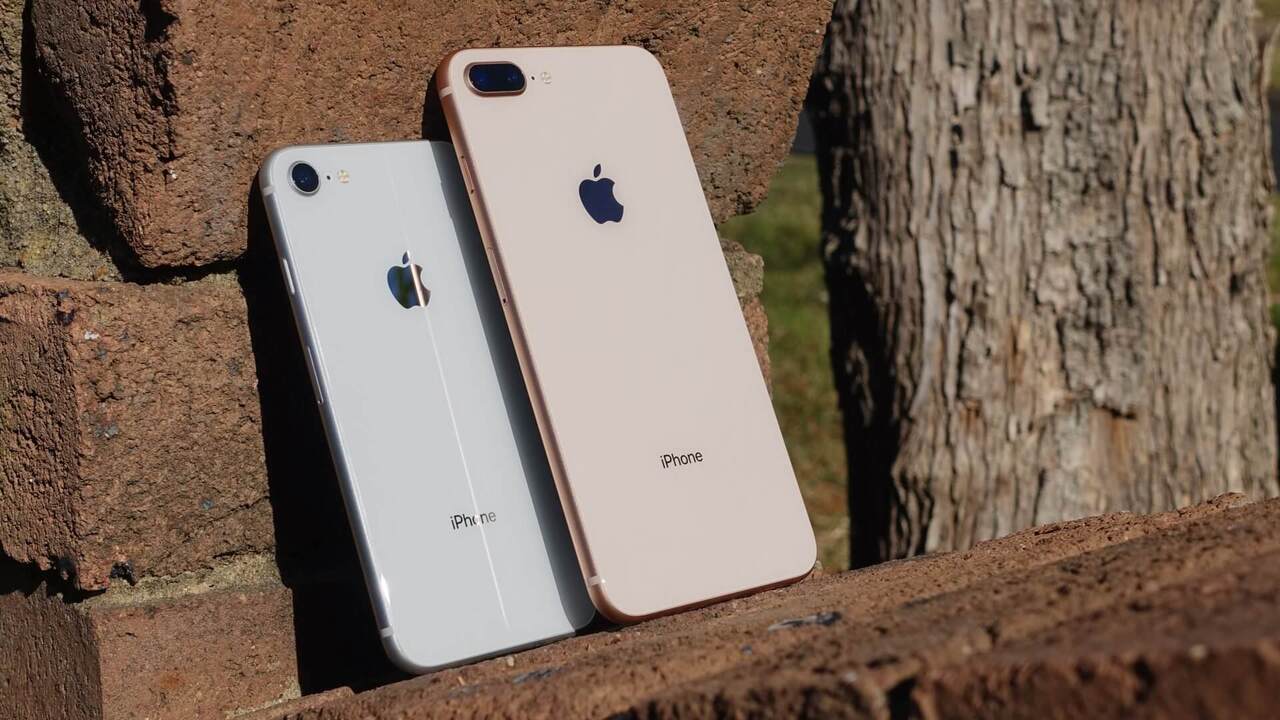
It should be understood that the "eight" has a simple IPS Retina HD LCD display and bezels around a small 4.7-inch screen. Security is handled by the Touch ID fingerprint scanner, and performance by the aging A11 Bionic.
Despite all its shortcomings and obsolescence, the iPhone 8 is an excellent option for the price asked for it on the used market. Buying a new one simply makes no sense, and neither does the Plus version — it is better to pay a bit more and get a newer (possibly used) XR or at least an X.
The iPhone 7 and older models are no longer worth buying — they will soon stop receiving updates, which will turn the joy of purchase into disappointment. The iPhone SE 2 (2020) still costs an unreasonable amount and cannot withstand any competition from the iPhone 8 and XR at similar prices.
Thus, maximalists will buy the iPhone 12 Pro Max, fans of compact smartphones the iPhone 12 Mini. Rationalists will choose between the iPhone 11 and XR, and those who want to save money will be happy with the iPhone 8 too.
The other models are gradually leaving the market. Some are simply becoming outdated, others cannot withstand competition from other models in terms of price-to-new-features ratio, but there are also transitional models among them that lost relevance just a year after release — for example, the iPhone X.
If your iPhone was released less than three years ago, I would not advise rushing to replace it. Innovation has slowed, Apple has started to focus on its own services and has barely changed the design for the fourth generation now. The same iPhone 8 will last about two more years, and the XR and 11 about three and four years respectively. So there is no point in chasing the latest model at an unreasonable price.

Russian Attacks in Dnipropetrovsk Region: Two Killed, Seven Injured

Defense Forces Strike Four Russian Drone Control Points in Past Day, Including in Berdiansk

Britain Threatens Sanctions on Kremlin-Linked People; Poland Ready to Hand Ukraine Ammunition

Russia says it has completed "planned exercises" in the Black Sea

MVD: Fake Riots With Prop Blood Were Being Prepared Near Presidential Office

Law Enforcers Name Another Klitschko Deputy as Suspect

Berlin Holds Protest Against War in Ukraine; EU Prepares for Possible Russian Halt of Gas Supplies
North Korea Fires Ballistic Missile Over Record Distance in Five Years
Irish Fishermen Force Russia to Postpone Naval Drills

US sanctions in case of invasion of Ukraine could completely destroy Russia's economy, NYT reports
