
WHO warns of "serious problems" after the pandemic as South Sudan reports about 100 deaths from unknown disease
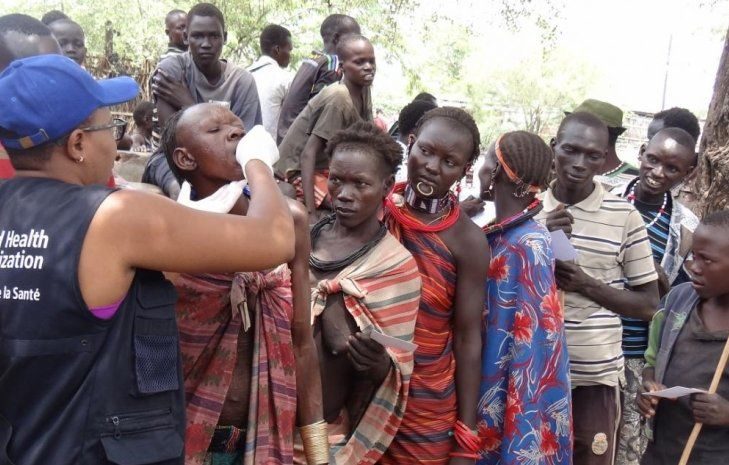
In his address, the WHO chief pointed to growing health care inequality as significant forces were redeployed to fight COVID.
WHO Director-General Tedros Adhanom Ghebreyesus, speaking at the 10th Global Conference on Health Promotion, warned that when the coronavirus pandemic ends, the world will face its serious consequences.
Shortly afterward, the WHO reported nearly 100 deaths from an unknown disease in South Sudan.
What the WHO said
The World Health Organization says that when the coronavirus pandemic ends, the world will face its serious consequences.
Tedros Adhanom Ghebreyesus
WHO Director-GeneralWhen the pandemic ends, we will be left with more serious challenges than before it began: poverty, hunger, inequality, noncommunicable diseases, climate change and much more. The coronavirus pandemic has shown that if health is at risk, everything is at risk.
Thus, besides the terrible impact of COVID-19 itself, the pandemic disrupted health systems, hindering efforts to fight many other diseases and conditions, from malaria to maternal health, from rare diseases to diabetes, noncommunicable diseases and mental illness.
Inequality has increased, millions of people have been pushed into poverty, many months of education have been lost, and levels of physical and emotional stress have risen, the WHO director stressed.
In this regard, the WHO chief called for a "fundamental shift" in how the value of health is perceived.
Tedros Adhanom Ghebreyesus
WHO Director-GeneralThe pandemic has brought us to a fork in the road. Behind us lies the usual way of doing business that led us to crisis. Ahead of us lies a new path: one leading to healthier and more sustainable societies.
The illness in South Sudan
A few hours later, the WHO said it was investigating the deaths of almost 100 people from a yet-unidentified disease in northern South Sudan.
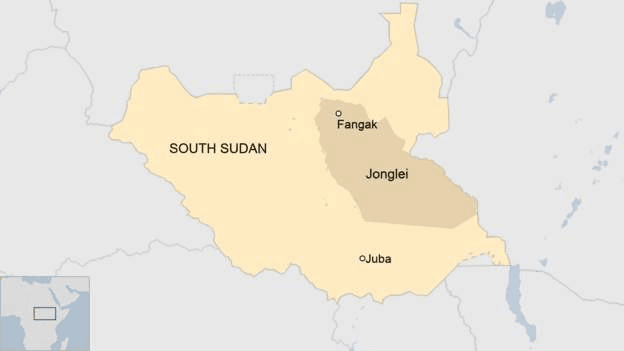
Last week, the health ministry reported that the unknown disease had killed dozens of people in the area, which has become one of the worst-affected by recent flooding.
A local health official said that initial samples collected in the area tested negative for cholera.
Sheila Baya
WHO spokespersonWe decided to send a rapid response team to carry out a risk assessment and investigation; only then will they be able to collect samples from sick people, but the preliminary figure we received was 89 deaths.
She said the Fangak district is inaccessible by land due to flooding, and the team was waiting for a helicopter to return them to the capital, Juba.

Russian Attacks in Dnipropetrovsk Region: Two Killed, Seven Injured

Defense Forces Strike Four Russian Drone Control Points in Past Day, Including in Berdiansk

Britain Threatens Sanctions on Kremlin-Linked People; Poland Ready to Hand Ukraine Ammunition

Russia says it has completed "planned exercises" in the Black Sea

MVD: Fake Riots With Prop Blood Were Being Prepared Near Presidential Office

Law Enforcers Name Another Klitschko Deputy as Suspect

Berlin Holds Protest Against War in Ukraine; EU Prepares for Possible Russian Halt of Gas Supplies
North Korea Fires Ballistic Missile Over Record Distance in Five Years
Irish Fishermen Force Russia to Postpone Naval Drills

US sanctions in case of invasion of Ukraine could completely destroy Russia's economy, NYT reports
