
In Afghanistan, Women Protest Against the Taliban's All-Male Government
The Taliban have banned women from playing sports.
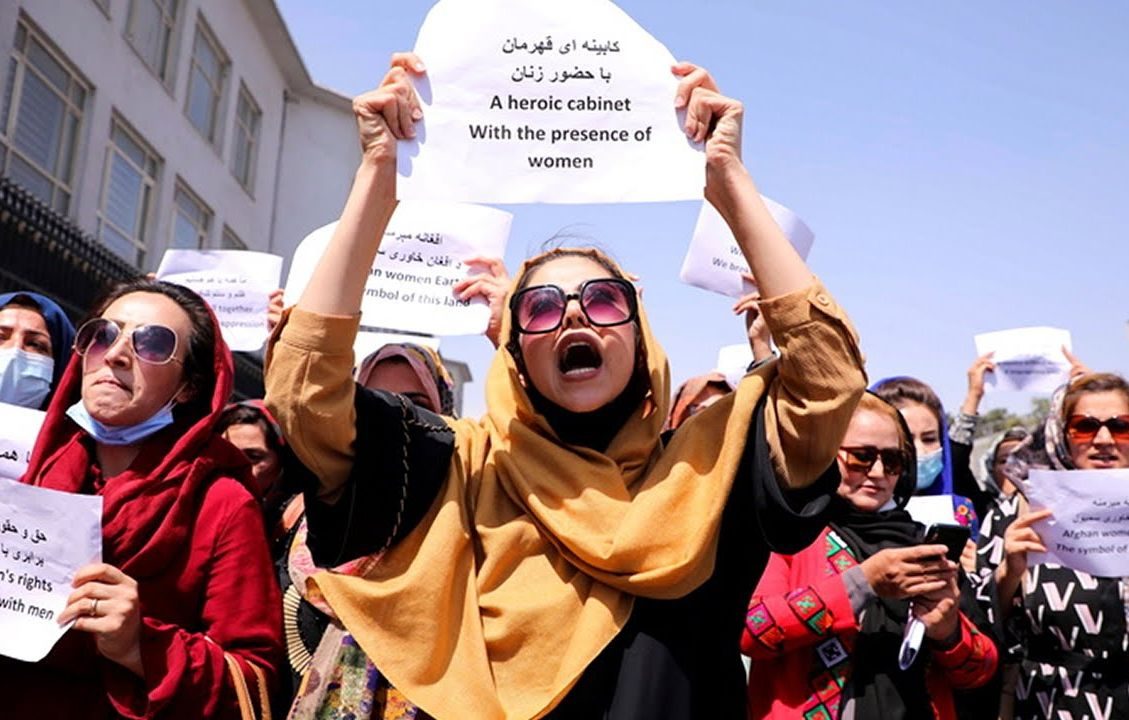
Dozens of women in Kabul and Badakhshan province in Afghanistan took to the streets to protest the formation of the Taliban's interim government, which includes only men. Here is how the protest unfolded, who joined the new government and what the Taliban have already banned for women.
Protest
Protesters said they would not accept a government without women ministers. Some women were beaten before the protest was dispersed. In addition, some journalists were detained and beaten for covering the rallies.
The Taliban did not comment on the allegations, but warned that they consider such protests illegal. According to them, protesters need permission to hold a rally, but demonstrators must not use statements that the Taliban consider offensive.
On September 7, three people were killed during a demonstration in the city of Herat, and on September 4 the Taliban used tear gas to disperse a women's march.
Interim government
The European Union said the Islamist group had failed to keep its promise to make its government "inclusive and representative," while the United States expressed concern that the government included individuals linked to attacks on U.S. armed forces.
The U.S. State Department said it was concerned about the "track record of some individuals." The National Resistance Front of Afghanistan against the Taliban called on the international community not to recognize the new government, calling the interim cabinet "illegitimate" and "with clear signs of hostility."
The Taliban insist they have defeated the resistance front in the Panjshir Valley, but the front's leaders say fighting continues.
The interim government is headed by Mohammad Hasan Akhund. Sirajuddin Haqqani, who leads the notorious Haqqani network, will serve as interior minister.
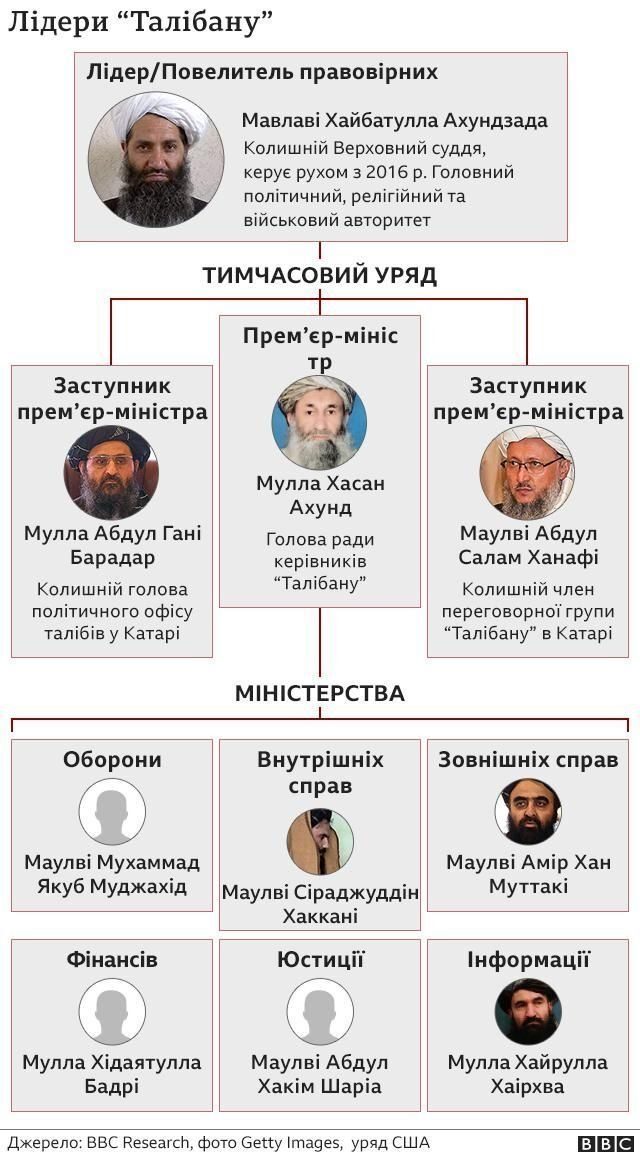
Unlike the Taliban as a whole, the United States has designated the Haqqani network a Foreign Terrorist Organization. It maintains close ties with al-Qaeda. The FBI says Haqqani was behind some of the deadliest attacks in recent years.
What the Taliban have banned
A movement representative, Ahmadullah Wasiq, said that women will no longer be able to play sports in Afghanistan. Commenting on cricket, he said women "do not need to play cricket," as there they could end up in a situation where "their faces and bodies will not be covered," and "Islam does not allow this."
Ahmadullah Wasiq
Taliban representativeThis is the age of media. Photos and videos will appear, and people will watch. Islam and the Islamic Emirate will not allow women to play cricket or engage in any other sport where women can be seen.
According to him, the Taliban will not compromise on this issue. He reminded that women are instructed not to leave home unless necessary, and sporting competitions are not a necessity.
Recall that after seizing power in mid-August, the Taliban promised that women would be able to continue going to work (including holding public office) and receive an education. During the Taliban's first rule in the late 1990s, they were not allowed to do so.

Russian Attacks in Dnipropetrovsk Region: Two Killed, Seven Injured

Defense Forces Strike Four Russian Drone Control Points in Past Day, Including in Berdiansk

Britain Threatens Sanctions on Kremlin-Linked People; Poland Ready to Hand Ukraine Ammunition

Russia says it has completed "planned exercises" in the Black Sea

MVD: Fake Riots With Prop Blood Were Being Prepared Near Presidential Office

Law Enforcers Name Another Klitschko Deputy as Suspect

Berlin Holds Protest Against War in Ukraine; EU Prepares for Possible Russian Halt of Gas Supplies
North Korea Fires Ballistic Missile Over Record Distance in Five Years
Irish Fishermen Force Russia to Postpone Naval Drills

US sanctions in case of invasion of Ukraine could completely destroy Russia's economy, NYT reports
