
Day 2 of protests in France: transport disrupted, schools closed, Eiffel Tower shut
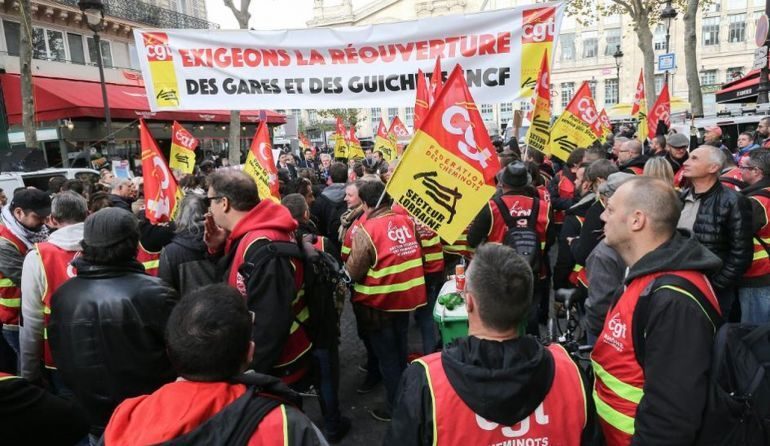
800,000 people took to the streets.
A nationwide strike is continuing in France, triggered by the pension reform proposed by President Emmanuel Macron.
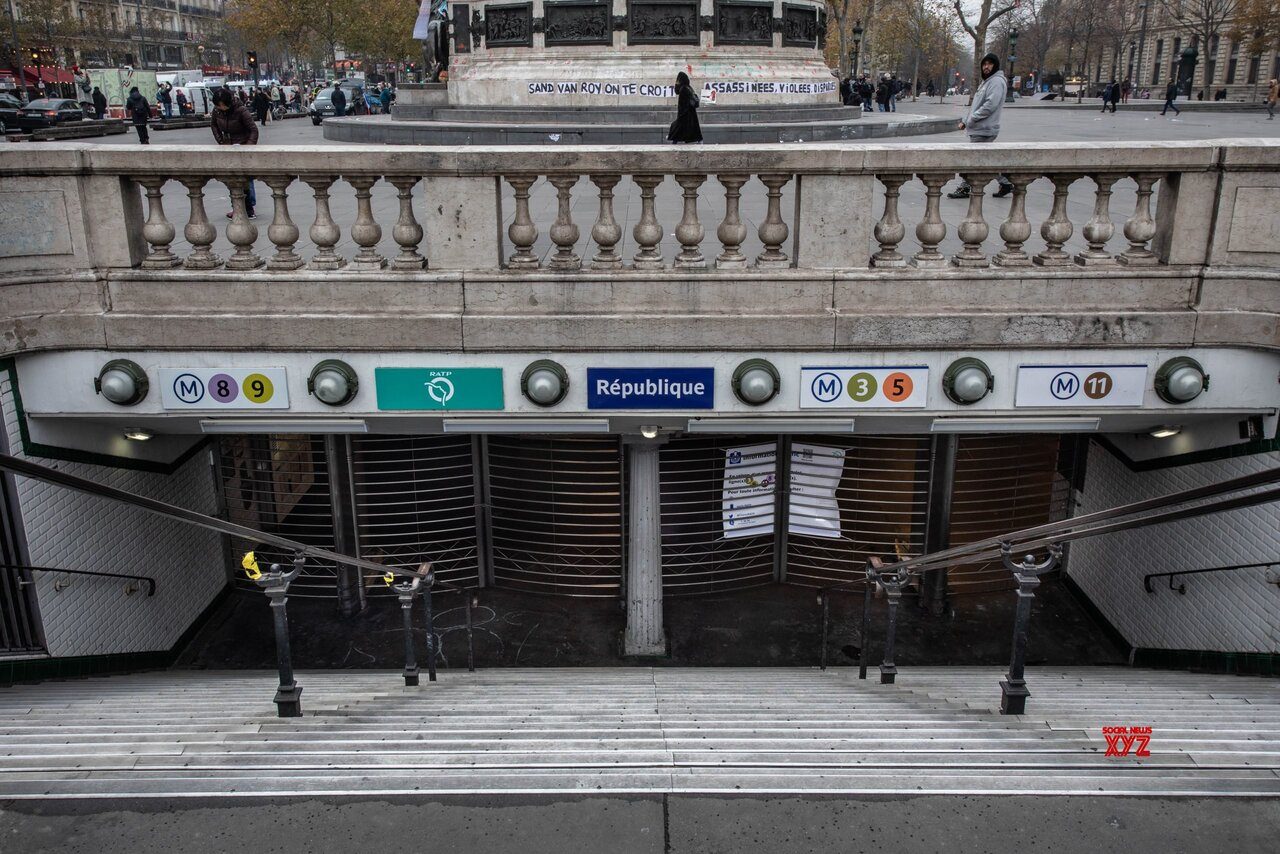
The strike has partially paralyzed the country's life in many spheres, from the transport system to the education process. Thus, due to people taking to the streets yesterday, 9 out of 10 high-speed rail routes in the country did not operate, some regional routes are not served, 20% of flights were cancelled, and only 5 of the 16 metro lines are operating.
78% of teachers, police officers, garbage collectors and many medical workers joined the protests — only a small part of the staff remained in hospitals. The traditionally busy Gare du Nord station was literally empty on Thursday, and the Eiffel Tower was closed to tourists.
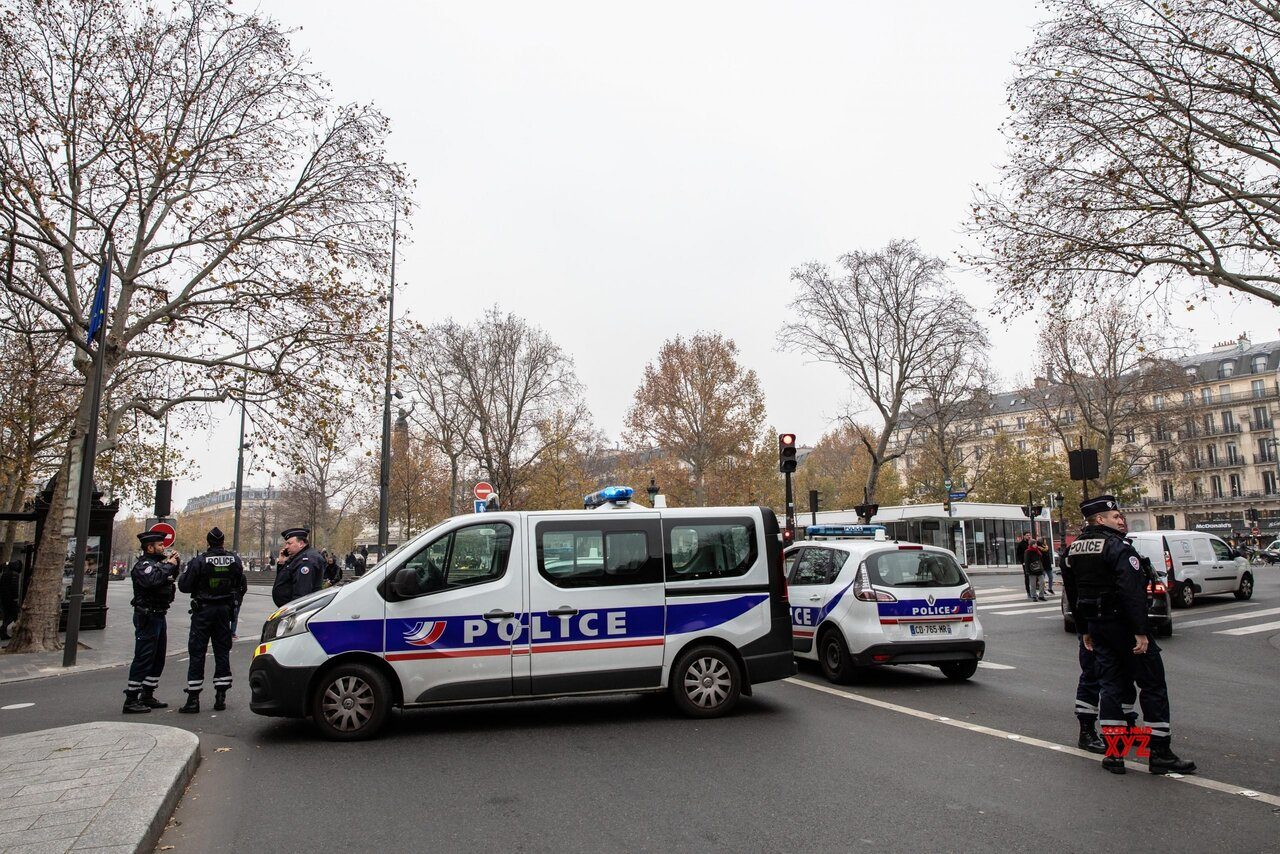
Police report 65,000 protesters in Paris and 800,000 across France. Meanwhile, the General Confederation of Labour (CGT), the largest trade union federation, claims 1.5 million people took to the streets. Leaders of the yellow vests movement have already promised to join the protest actions.
Clashes between protesters and police took place in a number of cities, and during one of them — in Paris — Mustafa Yalçın, a journalist with the Turkish agency Anadolu Ajansi, was injured when a tear gas canister hit him in the eye.
One of the official representatives of the protest, Patrick Belhadj, says he is ready to stay on the streets for three weeks if necessary. “I don't have a pile of money in the bank,” says Belhadj. “All I have is a railway worker's salary, 2,400 euros a month. And I've been working there for 39 years.”
The essence of the pension reform is that the authorities want to merge the 42 existing schemes into one common system. At the same time, retiring at 62 will become financially disadvantageous, and to receive a full pension, people will have to work until 64. Some professions will also lose their privileges.
In fact, this will be the second increase in the retirement age in the last 10 years — it was previously raised from 60 to 62, and this is one of the lowest rates among developed countries.
Zelensky: Russia Used 115 Missiles, Nearly 1,900 Guided Bombs and Over 3,000 Drones in a Week
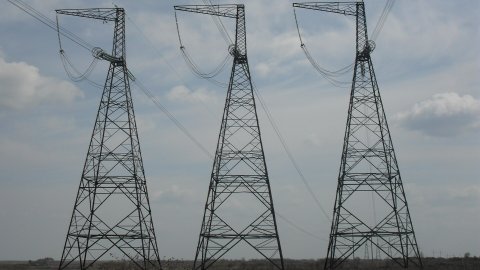
Attack on Major DTEK Energy Facility in Northern Odesa Region Leaves Some Families Without Power

Britain Threatens Sanctions on Kremlin-Linked People; Poland Ready to Hand Ukraine Ammunition

Russia says it has completed "planned exercises" in the Black Sea

MVD: Fake Riots With Prop Blood Were Being Prepared Near Presidential Office

Law Enforcers Name Another Klitschko Deputy as Suspect

Berlin Holds Protest Against War in Ukraine; EU Prepares for Possible Russian Halt of Gas Supplies
North Korea Fires Ballistic Missile Over Record Distance in Five Years
Irish Fishermen Force Russia to Postpone Naval Drills

US sanctions in case of invasion of Ukraine could completely destroy Russia's economy, NYT reports
