
Ecstasy No Longer a Niche Drug in Europe, Study Finds

It is now used by young people who lead a nightlife lifestyle.
Wastewater research covering data from about 50 million people in Europe has shown that the use of illegal drugs has increased. This is reported by BBC.
The European Monitoring Centre for Drugs and Drug Addiction began analysing water in 68 cities in 23 European countries back in spring 2019. The wastewater was tested for traces of four illegal drugs: amphetamine, cocaine, MDMA (ecstasy) and methamphetamine.
When a person uses drugs, their remains enter the sewer system through urination and defecation. By studying wastewater, researchers can determine the overall level of drug use.
The tests showed an overall increase in the content of these substances compared with previous years. An increase in ecstasy residues was found in most cities compared with 2018. According to the centre, these results suggest that ecstasy is no longer a "niche or subcultural drug used mainly in dance clubs and at parties".
It is now used by a "broad club of young people who lead an active nightlife". The highest levels of ecstasy residues were found in cities in Belgium, Germany and the Netherlands. Cocaine is used most in the Netherlands, Belgium, Spain and Britain.
Particularly high drug content is observed by scientists at weekends, between Friday and Monday. The European Monitoring Centre for Drugs and Drug Addiction has been studying wastewater since 2011.
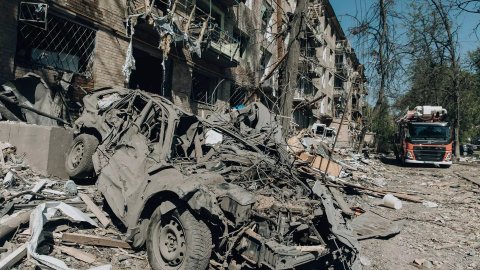
Zelensky: Russia Used 115 Missiles, Nearly 1,900 Guided Bombs and Over 3,000 Drones in a Week
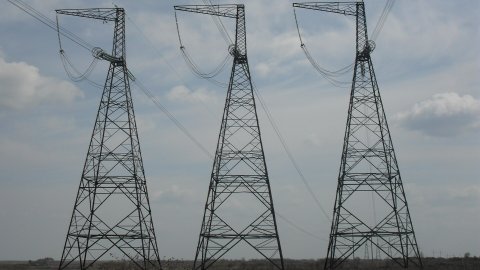
Attack on Major DTEK Energy Facility in Northern Odesa Region Leaves Some Families Without Power

Britain Threatens Sanctions on Kremlin-Linked People; Poland Ready to Hand Ukraine Ammunition

Russia says it has completed "planned exercises" in the Black Sea

MVD: Fake Riots With Prop Blood Were Being Prepared Near Presidential Office

Law Enforcers Name Another Klitschko Deputy as Suspect

Berlin Holds Protest Against War in Ukraine; EU Prepares for Possible Russian Halt of Gas Supplies
North Korea Fires Ballistic Missile Over Record Distance in Five Years
Irish Fishermen Force Russia to Postpone Naval Drills

US sanctions in case of invasion of Ukraine could completely destroy Russia's economy, NYT reports
