
Media Expose 8 GRU Officers Who Tried to Poison Bulgarian Arms Dealer With Novichok
One of them may have been the third participant in the poisoning of the Skripals in Salisbury.
Eight officers of the Main Directorate of the General Staff of the Armed Forces of the Russian Federation may be involved in the poisoning of Bulgarian businessman Emilian Gebrev with the Novichok nerve agent in April 2015.
This is stated in a joint investigation by Bellingcat, The Insider and Der Spiegel.
Gebrev, as well as his son and the director of his company, were hospitalized with symptoms of severe poisoning on April 28, 2015. Traces of two organophosphates were found in the businessman's body, meaning he was likely targeted in an attempt to kill him with a Novichok-class nerve agent. After a coma, Gebrev began to recover, but then his condition deteriorated again — it is assumed the businessman was poisoned a second time.
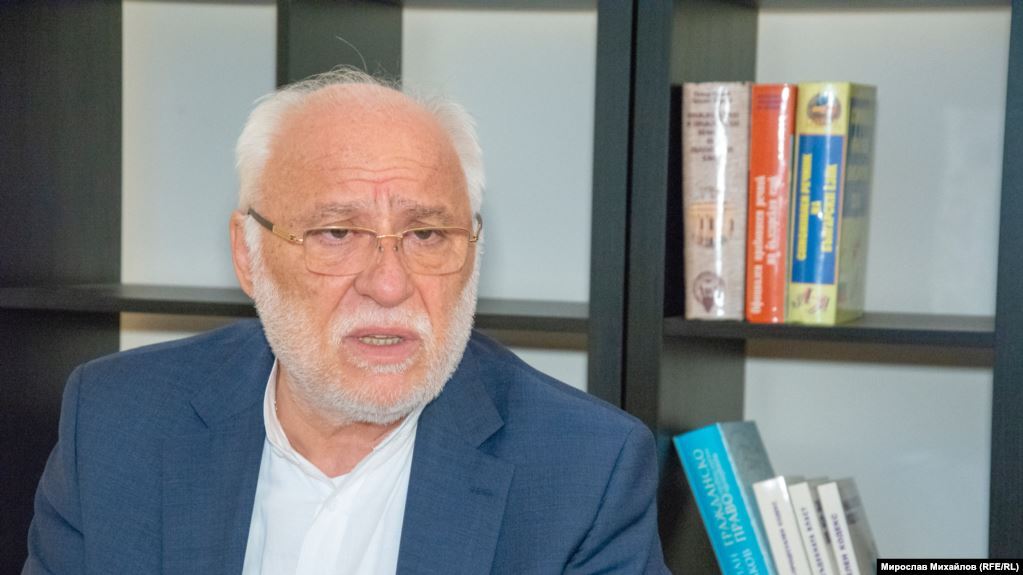
The authors of the investigation say that during these alleged poisonings, Major General Denis Sergeev, known under the operational name “Sergei Fedotov”, visited Bulgaria. He may have been the third participant in the poisoning of Sergei and Yulia Skripal in Salisbury in 2018 — like “Boshirov” and “Petrov,” he was in Britain on the day of the poisoning.
However, the authors of the investigation believe Sergeev was not the only perpetrator in the Gebrev case. According to their data, at least 7 more GRU officers took part in the operation, namely: Sergei Lyutenko (operational name “Sergei Pavlov”), Pyotr Borisov (“Georgy Gorshkov”), Ivan Terentyev (“Ivan Lebedev”), Nikolai Yezhov (“Nikolai Kononikhin”), Aleksei Kalinin (“Aleksei Nikitin”), Vladimir Moiseev (“Vladimir Popov”) and Danil Kapralov (“Danil Stepanov”).
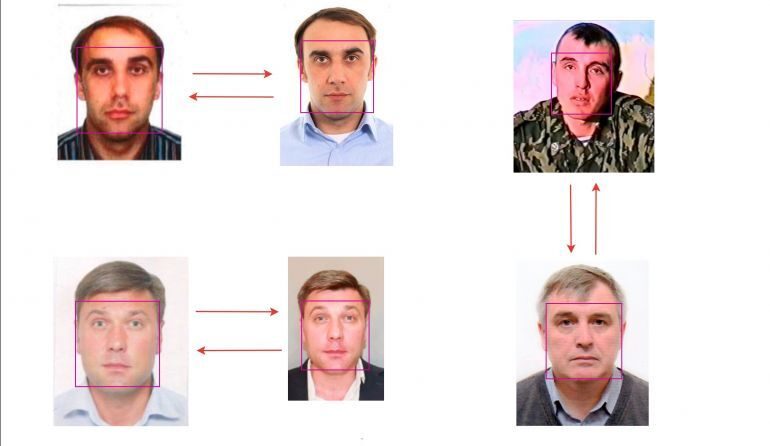
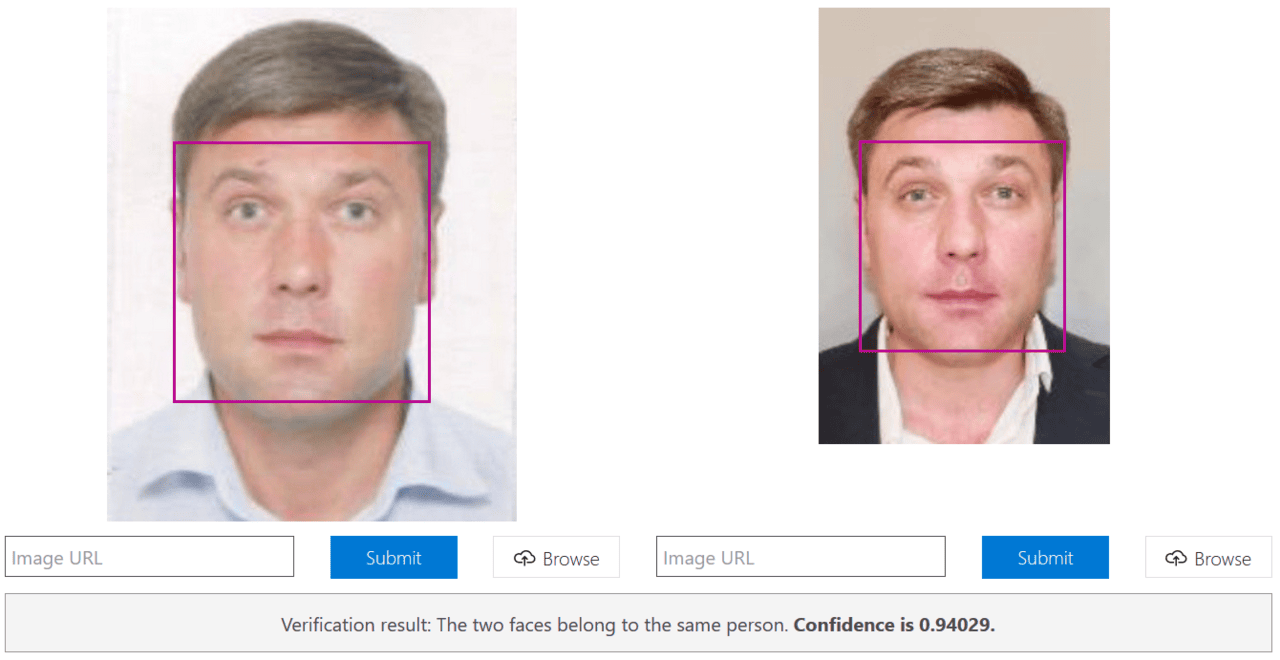
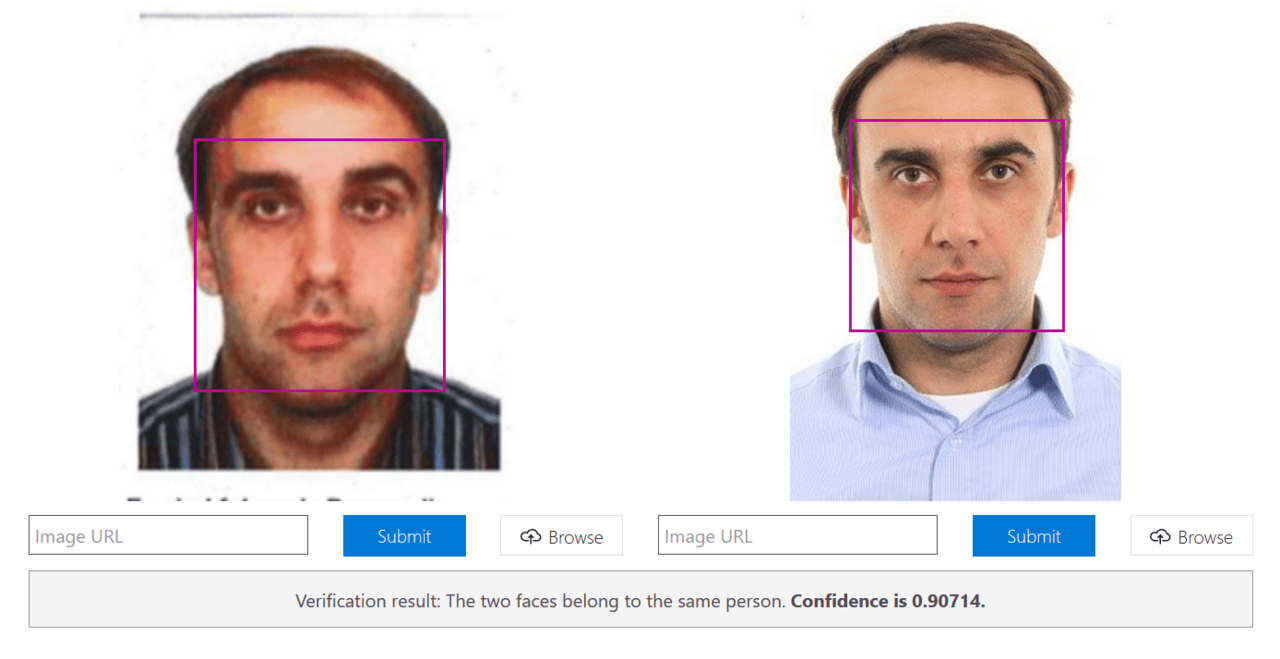
Journalists claim they were able to establish the real names of the GRU officers using their foreign passport data and photo comparisons.
“GRU officers issue passports in series every few years, where the numbers run sequentially one after another. So, once you identify one officer's passport, it is not hard to find similar numbers among, for example, his travel companions. The real names can easily be established because the great conspirators from the GRU, in most cases, kept the same year and date of birth for their cover identities, after which they were relatively easy to find in Russian databases,” the investigation's authors noted.
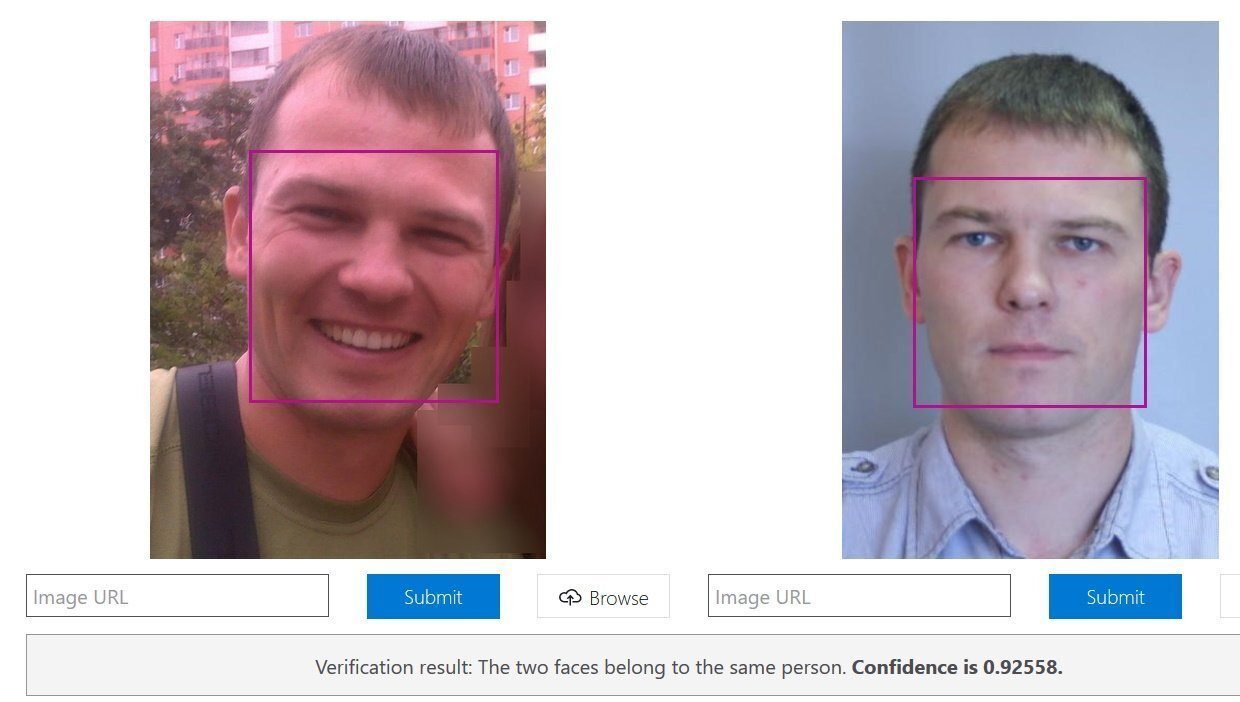
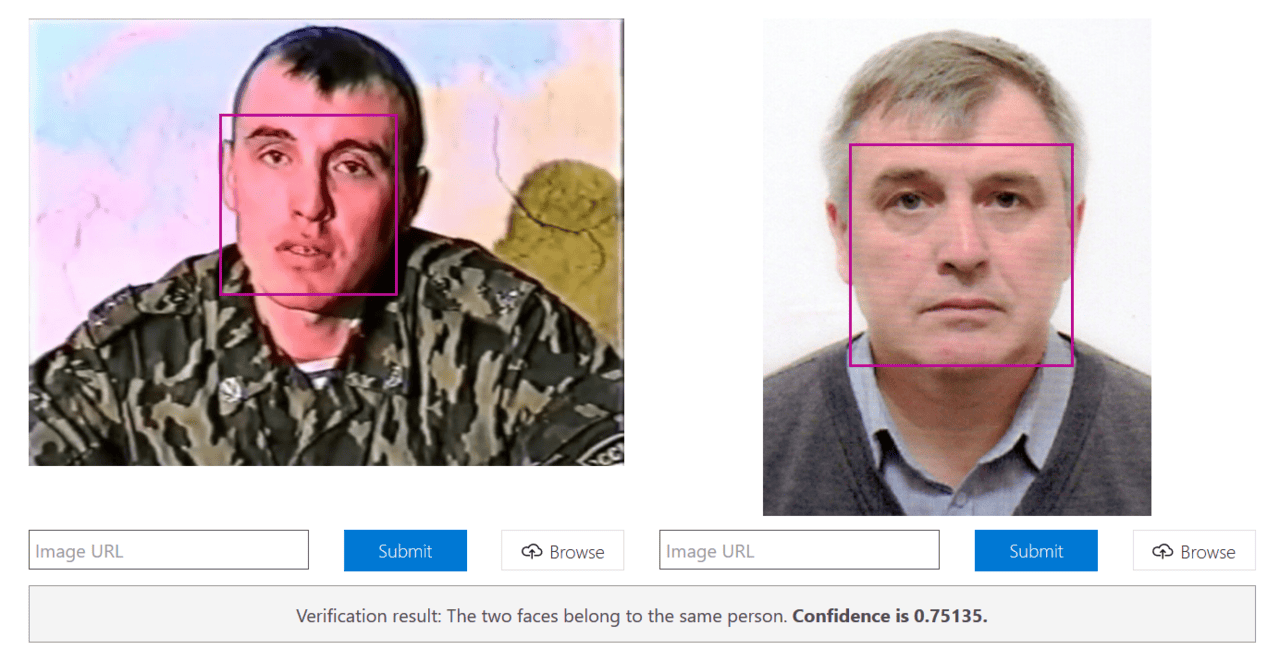
According to journalists, the likely participants in the poisoning visited Bulgaria three times.
- The first time, Lyutenko and Borisov were there from February 15 to 22, 2015. They were then replaced by Terentyev, Yezhov and Kalinin, who were in the country from February 26 to March 8, while from March 6 to 11 Moiseev was in Bulgaria, whom the journalists also consider involved in the attempted coup in Montenegro.
- The second time, the group visited during the poisoning. Sergeev, Lyutenko and Borisov arrived on April 24 and left on the day of the attempt — April 28.
- The third time, Sergeev arrived together with Kapralov on May 23. A week later, in the last two days of their stay in the country, Borisov joined them.
“Coincidence or not, but in May Gebrev's condition worsened again, and he was hospitalized once more. An interesting detail: Danil Kapralov, in addition to GRU training, also had qualifications as a doctor (which links him to Alexander Petrov (Mishkin), one of the poisoners in Salisbury),” note the investigative journalists.
The reasons for Emilian Gebrev's poisoning are unknown. However, he himself said he supplied weapons to Georgia during the 2008 war, and one version holds that he could have fallen victim to a rivalry between oligarchs, whom Russia could influence in 2014–2015, for power in Bulgaria. In addition, Gebrev could have become a GRU target because of a provocation that led Russia to believe he had sold weapons to American allies in Syria.
Former GRU officer Sergei Skripal and his daughter Yulia were found on March 4, 2018 in Salisbury (UK) with symptoms of poisoning. In April of that year, the Organisation for the Prohibition of Chemical Weapons confirmed that they had been poisoned with a substance called Novichok.
In September 2018, British Prime Minister Theresa May said that two Russians suspected of poisoning the Skripals — Alexander Mishkin (“Alexander Petrov”) and Anatoly Chepiga (“Ruslan Boshirov”) — were officers of Russian military intelligence, and investigative journalists at Bellingcat published documentary evidence of their links to Russian special services.
In 2019, it became known that a third Russian may have been involved in the poisoning: senior Russian military intelligence officer Denis Sergeev (“Sergei Fedotov”), who flew to Britain during the poisoning and may have met with “Petrov” and “Boshirov”.
In August, the US State Department announced the introduction of a second package of sanctions against Russia over the use of banned chemical weapons in the Skripal poisoning.

Zelensky: Russia Used 115 Missiles, Nearly 1,900 Guided Bombs and Over 3,000 Drones in a Week
Attack on Major DTEK Energy Facility in Northern Odesa Region Leaves Some Families Without Power

Britain Threatens Sanctions on Kremlin-Linked People; Poland Ready to Hand Ukraine Ammunition

Russia says it has completed "planned exercises" in the Black Sea

MVD: Fake Riots With Prop Blood Were Being Prepared Near Presidential Office

Law Enforcers Name Another Klitschko Deputy as Suspect

Berlin Holds Protest Against War in Ukraine; EU Prepares for Possible Russian Halt of Gas Supplies
North Korea Fires Ballistic Missile Over Record Distance in Five Years
Irish Fishermen Force Russia to Postpone Naval Drills

US sanctions in case of invasion of Ukraine could completely destroy Russia's economy, NYT reports
