
Homo erectus lived much longer than scientists thought

A new study has revealed surprising results.
A distant relative of modern humans lived relatively recently in Southeast Asia. This is indicated by a new study published in the journal Nature.
Members of Homo erectus — the «Upright Man» — evolved around 2 million years ago and were the first known human species to walk fully upright. New evidence suggests that this species lived on the Indonesian island of Java as recently as 100 thousand years ago — much longer after it disappeared elsewhere.
This means that Homo erectus existed there at a time when our species already lived on Earth. In the 1930s, 12 skullcaps and 2 thighbones of Homo erectus were found at a bone bed near the village of Ngandong in central Java. Over the following decades, researchers tried to determine the age of these fossil remains. However, this was a difficult task.

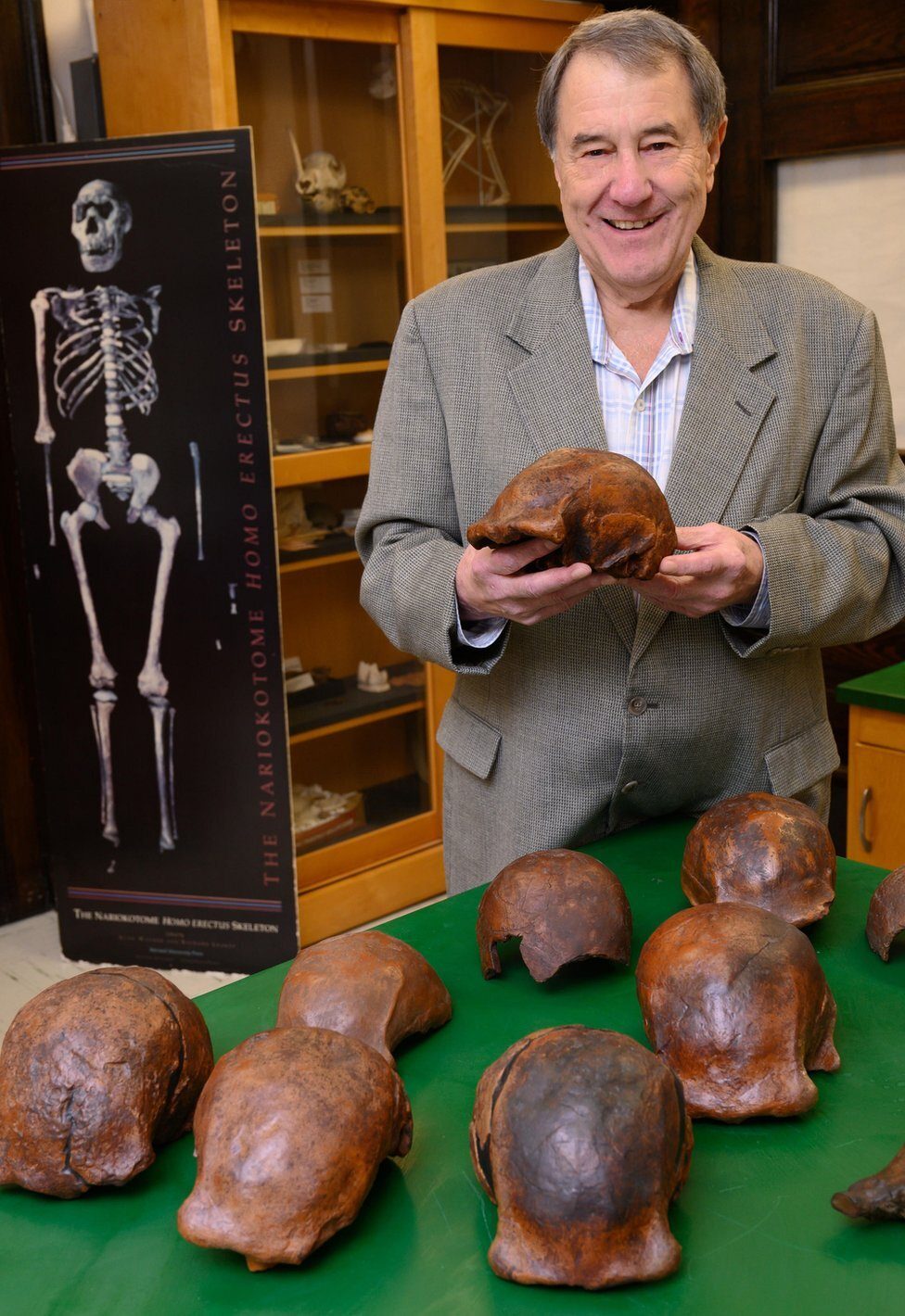
Recently, researchers began new excavations on the island of Java, re-analyzing the site and its surroundings. They believe the age of the bone tissue found is 117 to 118 thousand years. These are the youngest known remains of Homo erectus found anywhere in the world.
One of the researchers said: «This is a very young age for fossilized remains of primitive Homo erectus. This indicates that this species lived on Java for more than a million years».
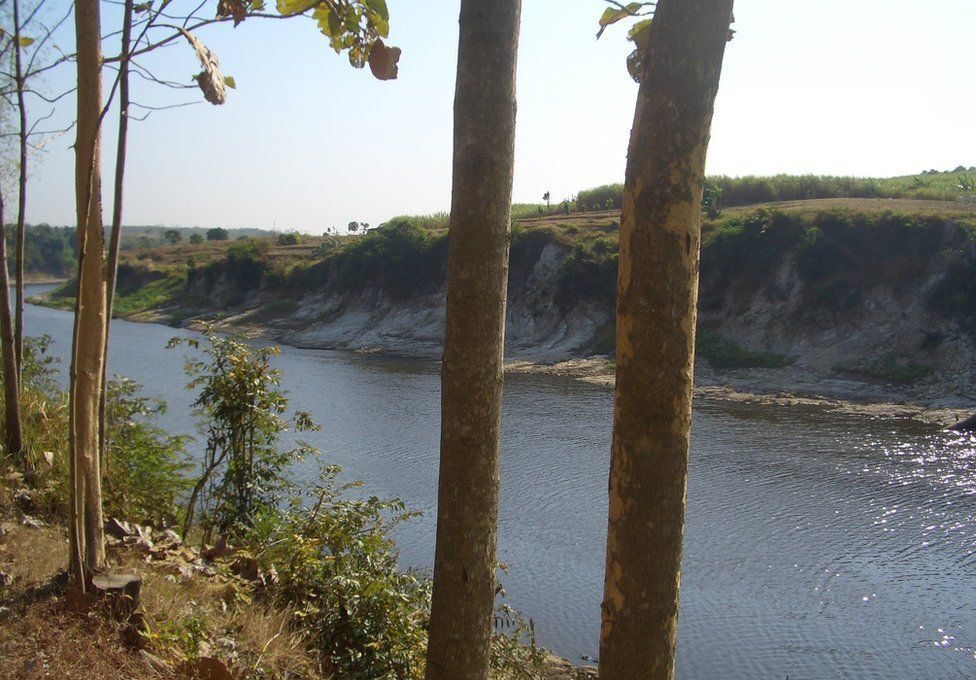
The researchers believe that the remains of the ancient people they are studying ended up in one place due to some kind of mass death. A volcanic eruption may have been the cause.
Zelensky: Russia Used 115 Missiles, Nearly 1,900 Guided Bombs and Over 3,000 Drones in a Week
Attack on Major DTEK Energy Facility in Northern Odesa Region Leaves Some Families Without Power

Britain Threatens Sanctions on Kremlin-Linked People; Poland Ready to Hand Ukraine Ammunition

Russia says it has completed "planned exercises" in the Black Sea

MVD: Fake Riots With Prop Blood Were Being Prepared Near Presidential Office

Law Enforcers Name Another Klitschko Deputy as Suspect

Berlin Holds Protest Against War in Ukraine; EU Prepares for Possible Russian Halt of Gas Supplies
North Korea Fires Ballistic Missile Over Record Distance in Five Years
Irish Fishermen Force Russia to Postpone Naval Drills

US sanctions in case of invasion of Ukraine could completely destroy Russia's economy, NYT reports
