
Iranian State TV Presenters Resign Over Ukrainian Airliner Crash
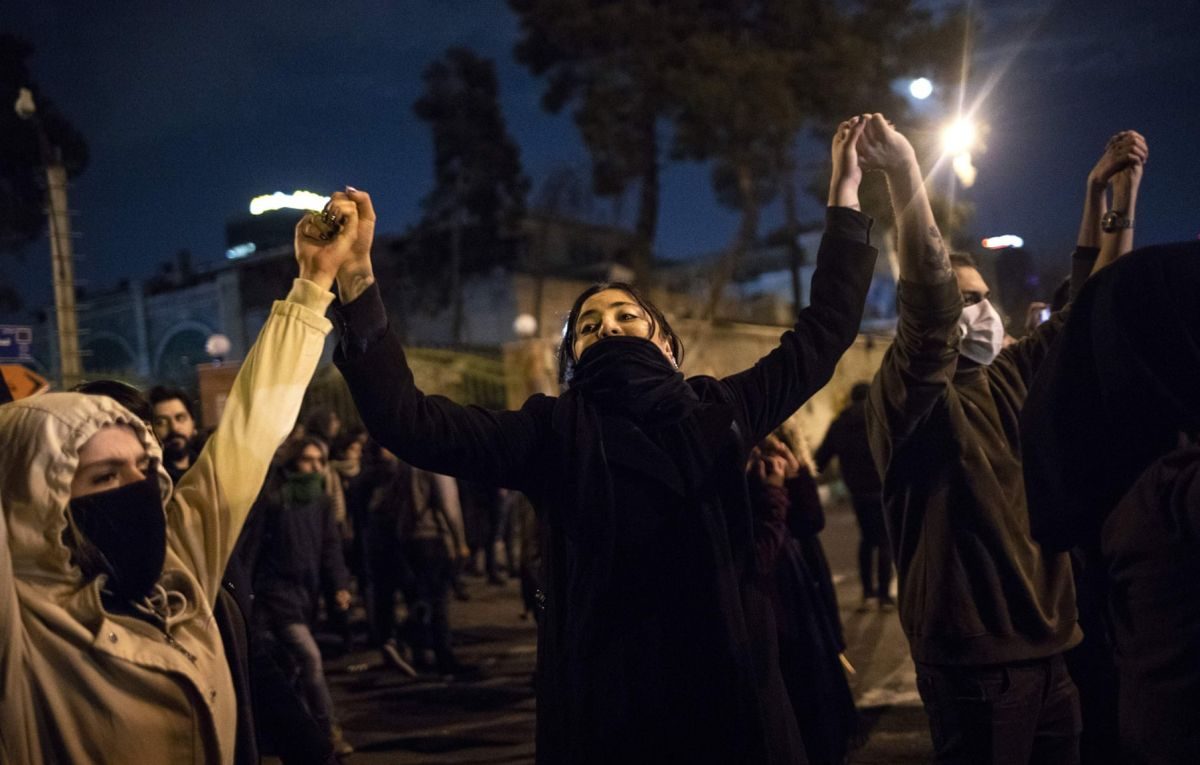
They apologized for lying to the audience throughout their careers.
Several employees of the Iranian state broadcaster Islamic Republic of Iran Broadcasting (IRIB) have decided to resign after the crash of a Ukraine International Airlines Boeing 737, which was shot down by Iranian military near Tehran on January 8.
This was reported on Monday, January 13, by The Guardian.
One presenter has already resigned, saying she had lied on behalf of the state for 13 years. At least two others have also announced their departure from the broadcaster.
"It was very hard for me to believe that our people had been killed, — said Jelareh Jabbari, who left IRIB. — Sorry that I found out about it late. And sorry for the 13 years in which I lied to you."
"Thank you for relying on me in the past, — said another IRIB employee, Zahra Khatami. — I will never return to television. Sorry."
Presenter Saba Rad also joined her colleagues.
"Thank you for your support throughout my career. I announce that after 21 years of working in radio and television, I cannot continue my work in the media. I cannot, — the woman said."
The presenters' statements come after Iranian officials initially denied the country's involvement in the crash of the Ukraine International Airlines Boeing 737. As The Guardian notes, after the incident, some pro-government news agencies even began covering anti-government street protests.
"The government is not trusted much, people want more freedom, — said Press TV commentator Ganbar Naderi on BBC Radio Today. — The lies they told about the plane being shot down deprived them of public trust. The Islamic Revolutionary Guard Corps knows this very well."
The Association of Iranian Journalists said that the country is witnessing a "funeral of public trust", which is harming the already fragile reputation of Iran's official media.
"The publication of false information has had a serious impact on public trust and public opinion. ... The situation has become so difficult. We lie louder when we lie to ourselves. Employees of the state television of the Islamic Republic of Iran admit that trust in them has been lost, — the Association said."
The head of the country's Civil Aviation Organization, Ali Abedzadeh, faced strong criticism from Iranian journalists for saying that reports that the plane was shot down by a missile could not be true.
The organization later apologized for "inconsistency in the information provided", adding: "We were not subjected to any pressure or advice to hide the reality and do not intend to hide the reality... We published information that we believed... and we regret the error."
Reporters Without Borders ranks Iran 170th out of 180 countries in its press freedom index. According to the organization, state control over freedom of speech in the country is not easing, and at least 860 journalists have been imprisoned or executed in Iran since 1979.
The Ukraine International Airlines Boeing 737 crashed on January 8, after taking off from the airport near the Iranian capital, Tehran, operating international flight PS752 on the Tehran — Kyiv route. There were 11 Ukrainian citizens on board (2 passengers and 9 crew members), 63 Canadian citizens, 82 Iranians, 10 Swedes, 7 Afghans and 3 British citizens. All of them are considered dead.
Iran initially denied the claims, but after reports by a number of media outlets and leaders of countries it took responsibility for the crash of the airliner. On Saturday, January 11, protests began on the streets of Tehran demanding the resignation of Supreme Leader Ali Khamenei.
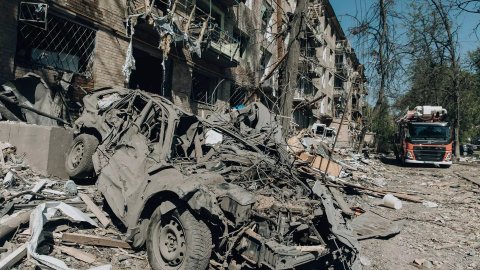
Zelensky: Russia Used 115 Missiles, Nearly 1,900 Guided Bombs and Over 3,000 Drones in a Week
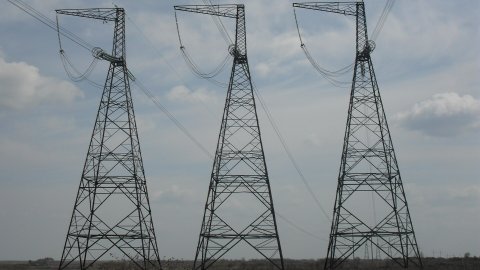
Attack on Major DTEK Energy Facility in Northern Odesa Region Leaves Some Families Without Power

Britain Threatens Sanctions on Kremlin-Linked People; Poland Ready to Hand Ukraine Ammunition

Russia says it has completed "planned exercises" in the Black Sea

MVD: Fake Riots With Prop Blood Were Being Prepared Near Presidential Office

Law Enforcers Name Another Klitschko Deputy as Suspect

Berlin Holds Protest Against War in Ukraine; EU Prepares for Possible Russian Halt of Gas Supplies
North Korea Fires Ballistic Missile Over Record Distance in Five Years
Irish Fishermen Force Russia to Postpone Naval Drills

US sanctions in case of invasion of Ukraine could completely destroy Russia's economy, NYT reports
