
Loch Ness Monster DNA: What Scientists Think Nessie Might Be
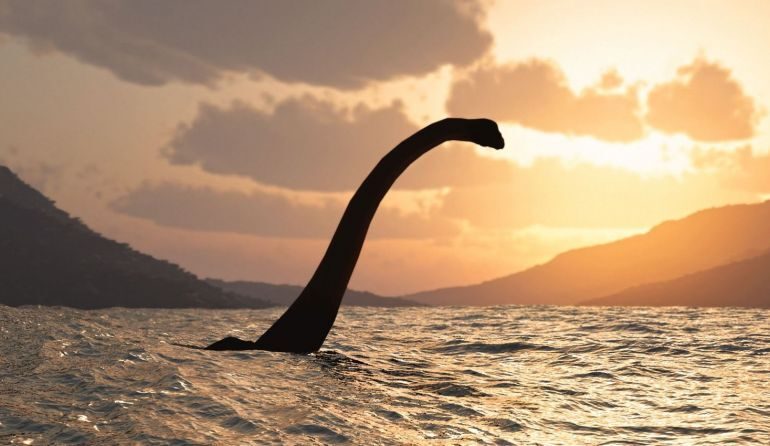
Researchers have found a large amount of DNA from a single creature in Loch Ness.
The Loch Ness Monster, also known as Nessie, may simply be a giant eel. This conclusion was reached by New Zealand researchers who are studying Loch Ness to create a catalogue of its flora and fauna, reports the BBC.
To do this, they analysed DNA from 250 water samples taken from different parts of the Scottish loch. The test results showed that no large animals resembling Nessie apparently live there and most likely never did.
Many of those who believe in the monster's existence consider it a relict plesiosaur that survived in the lake. However, scientists found no evidence of a prehistoric marine reptile there, nor of any large fish, catfish or sharks.
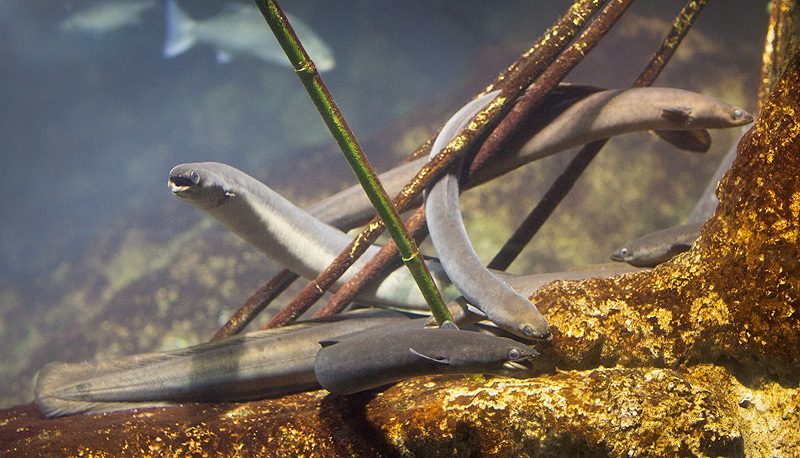
Instead, researchers found in the lake's waters DNA from humans, dogs, sheep, cattle, deer, badgers, rabbits, voles, birds, as well as the European eel, also known as the river eel or common eel.
“There is a huge amount of eel DNA. There are very many eels in Loch Ness, — said geneticist Neil Gemmell from the University of Otago. — Eel DNA is found in almost every part of the loch. We don't know the size of the eels living there, but since there is so much genetic material, we cannot rule out the possibility that giant eels may live in Loch Ness.”
According to the scientist, what people call the Loch Ness Monster may just be a large eel.
Earlier, a penguin the size of a human was found in New Zealand.

Zelensky: Russia Used 115 Missiles, Nearly 1,900 Guided Bombs and Over 3,000 Drones in a Week
Attack on Major DTEK Energy Facility in Northern Odesa Region Leaves Some Families Without Power

Britain Threatens Sanctions on Kremlin-Linked People; Poland Ready to Hand Ukraine Ammunition

Russia says it has completed "planned exercises" in the Black Sea

MVD: Fake Riots With Prop Blood Were Being Prepared Near Presidential Office

Law Enforcers Name Another Klitschko Deputy as Suspect

Berlin Holds Protest Against War in Ukraine; EU Prepares for Possible Russian Halt of Gas Supplies
North Korea Fires Ballistic Missile Over Record Distance in Five Years
Irish Fishermen Force Russia to Postpone Naval Drills

US sanctions in case of invasion of Ukraine could completely destroy Russia's economy, NYT reports
