
Mars as You Have Never Seen It Before: New Photos Published
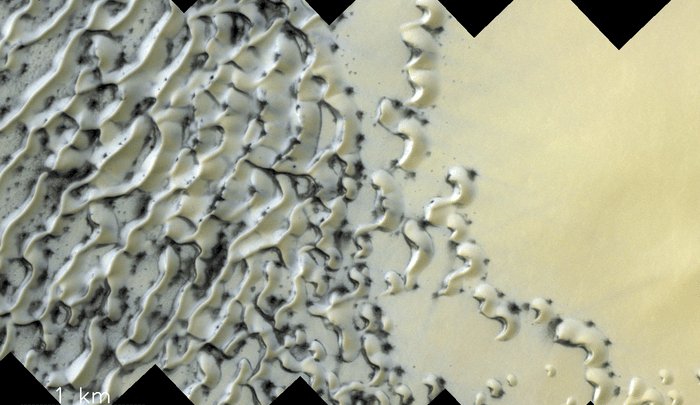
The Red Planet is not entirely red.
Last week the European Space Agency published new images taken by the ExoMars Trace Gas Orbiter camera, which it operates jointly with Roscosmos.
In the photos, the Red Planet does not look red at all. The point is that the images show sand dunes at the north pole of the fourth planet in the Solar System.
In winter, carbon dioxide ice covers the dunes with a thin layer, and in spring it thaws and turns into vapor. The thawing process occurs from the bottom of the dune upward, causing the gas to become trapped between the layers of ice and sand.
As the ice melts, this gas escapes through cracks, releasing sand and creating a cream-colored pattern.
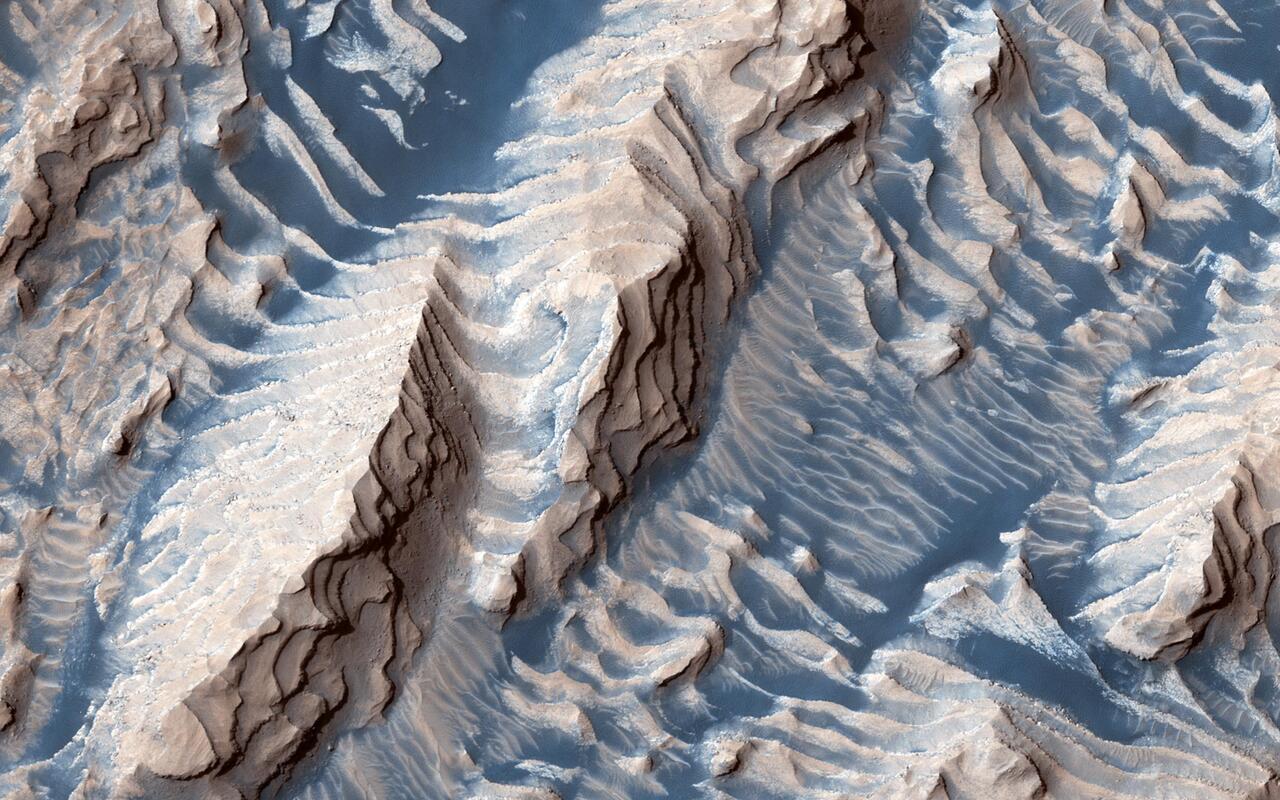
In addition, the NASA Mars Reconnaissance Orbiter automated interplanetary station took a picture of Danielson crater, which consists of frozen rock and sand.
Earlier, SpaceX CEO Elon Musk proposed dropping nuclear bombs on Mars to make the planet habitable.

Zelensky: Russia Used 115 Missiles, Nearly 1,900 Guided Bombs and Over 3,000 Drones in a Week
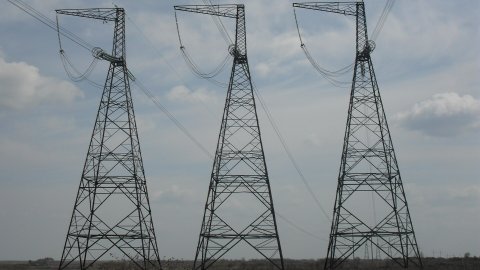
Attack on Major DTEK Energy Facility in Northern Odesa Region Leaves Some Families Without Power

Britain Threatens Sanctions on Kremlin-Linked People; Poland Ready to Hand Ukraine Ammunition

Russia says it has completed "planned exercises" in the Black Sea

MVD: Fake Riots With Prop Blood Were Being Prepared Near Presidential Office

Law Enforcers Name Another Klitschko Deputy as Suspect

Berlin Holds Protest Against War in Ukraine; EU Prepares for Possible Russian Halt of Gas Supplies
North Korea Fires Ballistic Missile Over Record Distance in Five Years
Irish Fishermen Force Russia to Postpone Naval Drills

US sanctions in case of invasion of Ukraine could completely destroy Russia's economy, NYT reports
