
Ozone Hole Over Antarctica Shrinks to Record Low
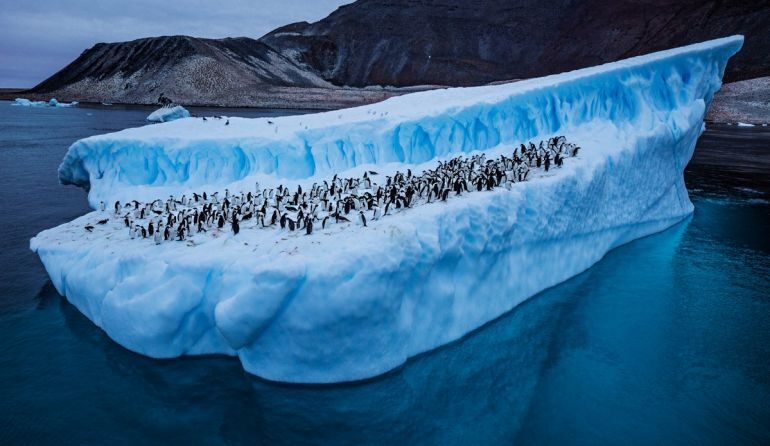
It now measures just over 5 million square kilometres.
This year, the ozone hole over Antarctica has shrunk to a record low over the past 30 years — it now measures just over 5 million square kilometres. In 2018, the hole was more than 20 million square kilometres, and in 2017, about 10 million.
Reports the BBC.
However, according to experts, the shrinking of the hole does not guarantee that it will continue to decrease.
Richard Engelen
Scientist at the Copernicus Atmosphere Monitoring Service (CAMS)Right now, I think we should treat this as an interesting anomaly. We need to learn more about what triggered its shrinking.
And global climate change could affect banana harvests.

Zelensky: Russia Used 115 Missiles, Nearly 1,900 Guided Bombs and Over 3,000 Drones in a Week
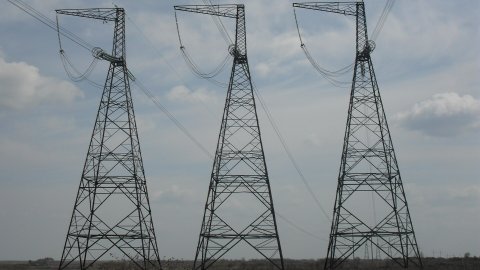
Attack on Major DTEK Energy Facility in Northern Odesa Region Leaves Some Families Without Power

Britain Threatens Sanctions on Kremlin-Linked People; Poland Ready to Hand Ukraine Ammunition

Russia says it has completed "planned exercises" in the Black Sea

MVD: Fake Riots With Prop Blood Were Being Prepared Near Presidential Office

Law Enforcers Name Another Klitschko Deputy as Suspect

Berlin Holds Protest Against War in Ukraine; EU Prepares for Possible Russian Halt of Gas Supplies
North Korea Fires Ballistic Missile Over Record Distance in Five Years
Irish Fishermen Force Russia to Postpone Naval Drills

US sanctions in case of invasion of Ukraine could completely destroy Russia's economy, NYT reports
