
Scientists Get First Close-Up Look at the Sun's Surface

All thanks to a special solar telescope.
For the first time, scientists have been able to see the Sun's pulsating surface up close. The Daniel K. Inouye Solar Telescope, located in Hawaii, has taken images of sections of the Sun's surface 30 km wide. BBC reports.
Given the Sun's diameter of 1.4 million km and its distance from Earth of 149 million km, these images are truly remarkable. The areas of the surface resemble cells the size of the state of Texas. These areas are considered granules of hot gas or plasma that appear on the Sun's surface as a result of convection.
The bright areas in the center are places where solar matter rises to the surface, while the dark ones are where it sinks deeper after cooling. The DKIST telescope is considered a next-generation instrument. It was installed on the summit of Haleakalā volcano, located on the Hawaiian island of Maui and rising 3,000 meters.
The telescope's main lens is 4 meters in diameter and is the largest of any solar telescope. The new observatory will study solar activity. Scientists hope to obtain new data on the dynamic behavior of the solar crust and to forecast energy flares known as "space weather."
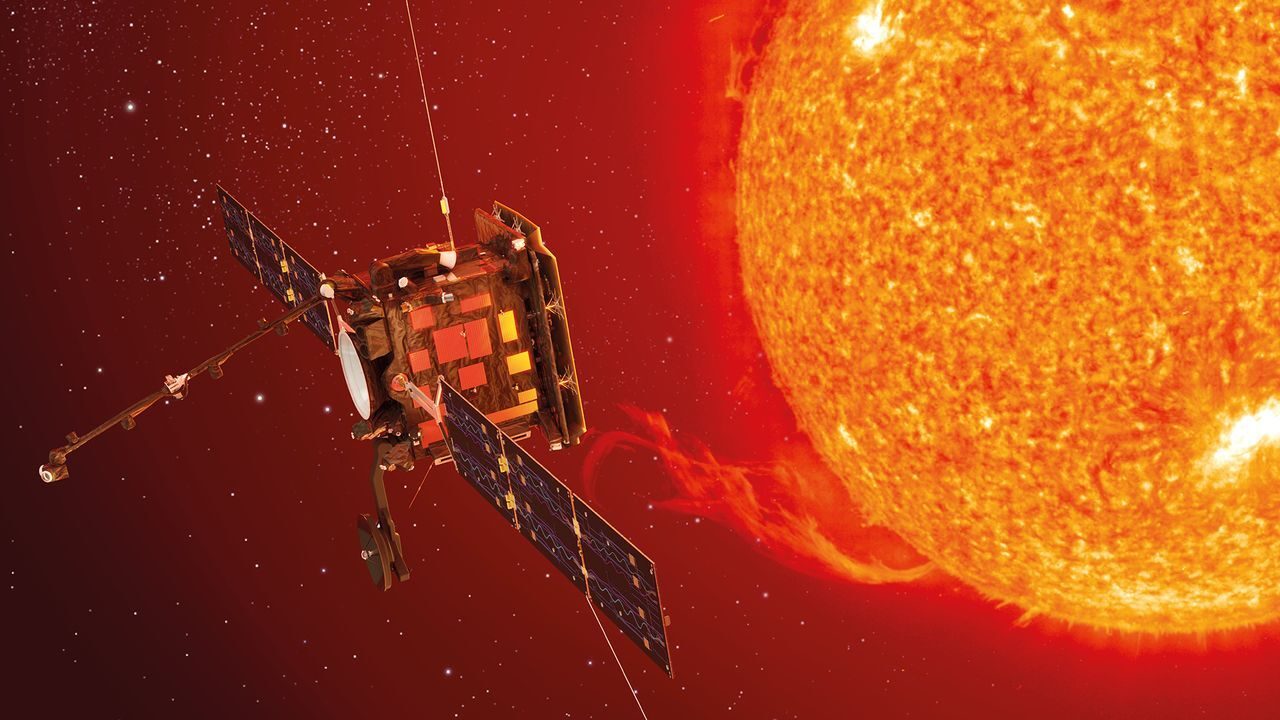
The DKIST telescope will be a perfect complement to the Solar Orbiter space observatory for solar research, which will be launched next week from the Kennedy Center in Florida. Professors have already confirmed future cooperation and say the results will be amazing.
Earlier, in Lebanon, a falling meteorite was caught on camera. The resulting footage looks mesmerizing.

Zelensky: Russia Used 115 Missiles, Nearly 1,900 Guided Bombs and Over 3,000 Drones in a Week
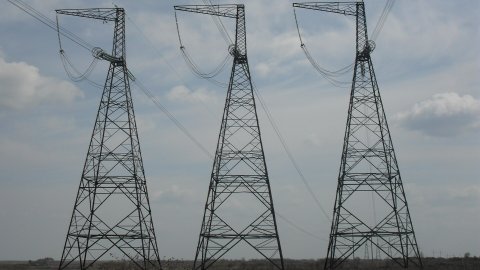
Attack on Major DTEK Energy Facility in Northern Odesa Region Leaves Some Families Without Power

Britain Threatens Sanctions on Kremlin-Linked People; Poland Ready to Hand Ukraine Ammunition

Russia says it has completed "planned exercises" in the Black Sea

MVD: Fake Riots With Prop Blood Were Being Prepared Near Presidential Office

Law Enforcers Name Another Klitschko Deputy as Suspect

Berlin Holds Protest Against War in Ukraine; EU Prepares for Possible Russian Halt of Gas Supplies
North Korea Fires Ballistic Missile Over Record Distance in Five Years
Irish Fishermen Force Russia to Postpone Naval Drills

US sanctions in case of invasion of Ukraine could completely destroy Russia's economy, NYT reports
