
YouTube disables comments, targeted ads and other features on videos for children
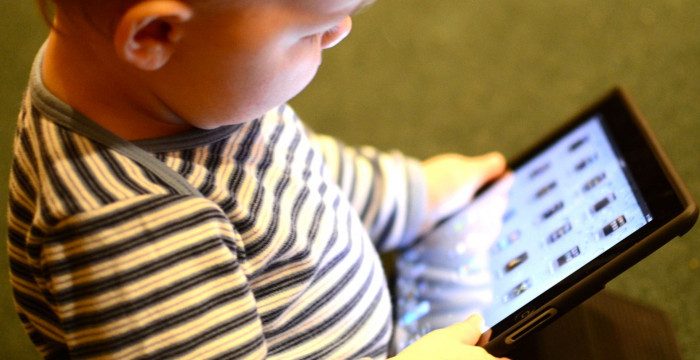
The platform has decided to limit the collection of personal data from accounts when viewing children's content.
YouTube has updated its rules governing children's content. On videos for children, the video hosting service has disabled comments, notifications, stories, targeted advertising and other features that allow the collection of information about the user.
YouTube
YouTube now treats the personal information of anyone who watches children's content on the platform as child information, regardless of the user's age. This means that for videos made for children, we are limiting the collection and use of user data, and as a result we need to limit or disable some features. We no longer place personalized ads on such videos, and we also disable comments, chat, notifications, stories, the ability to save to playlists and more.
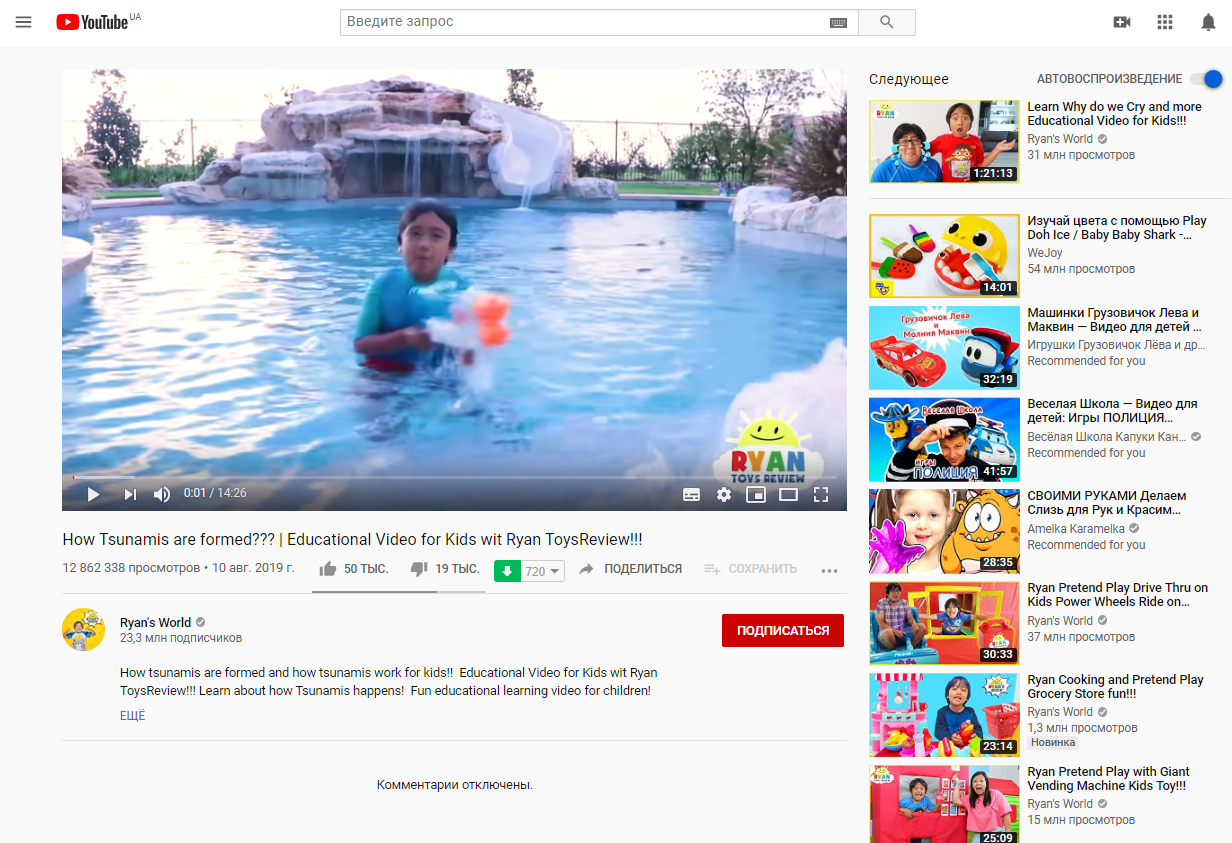
For example, on the channel of eight-year-old Ryan Kaji, who uploads videos for children and for the second year in a row is considered the world's highest-paid YouTuber, comments have been completely disabled and the option to add videos to playlists has disappeared.
The video's author indicates in YouTube Studio whether the content is intended for a children's audience, and a special algorithm of the service also recognizes such content.
"We still recommend that parents use YouTube Kids if they plan to let children under 13 watch videos on their own," YouTube said.
In September 2019, YouTube was fined $170 million for violating the Children's Online Privacy Protection Act: US authorities accused the service of collecting children's data without parental consent.
"YouTube has been popular among children as an advertising tool for potential corporate clients," said Joseph Simons, Chairman of the US Federal Trade Commission. "When it came to complying with the Children's Online Privacy Protection Act, the company refused to acknowledge that parts of its platform were clearly directed at children, so YouTube's violations have no excuse."
After this, the platform obliged all content creators to label their videos as either made for children or not made for children.
In the summer of 2019, Bloomberg reported that YouTube planned to stop targeted advertising on children's videos. Analysts then suggested that as a result the service would lose $50 million in annual revenue.
Earlier it became known that YouTube is tightening requirements for user content. Now the platform bans insults based on race, gender expression or sexual orientation, as well as veiled threats.

Zelensky: Russia Used 115 Missiles, Nearly 1,900 Guided Bombs and Over 3,000 Drones in a Week

Attack on Major DTEK Energy Facility in Northern Odesa Region Leaves Some Families Without Power

Britain Threatens Sanctions on Kremlin-Linked People; Poland Ready to Hand Ukraine Ammunition

Russia says it has completed "planned exercises" in the Black Sea

MVD: Fake Riots With Prop Blood Were Being Prepared Near Presidential Office

Law Enforcers Name Another Klitschko Deputy as Suspect

Berlin Holds Protest Against War in Ukraine; EU Prepares for Possible Russian Halt of Gas Supplies
North Korea Fires Ballistic Missile Over Record Distance in Five Years
Irish Fishermen Force Russia to Postpone Naval Drills

US sanctions in case of invasion of Ukraine could completely destroy Russia's economy, NYT reports
