
Al-Qaeda Returns to Afghanistan: Terror Threat to US and Sanctions Against Group's Supporters
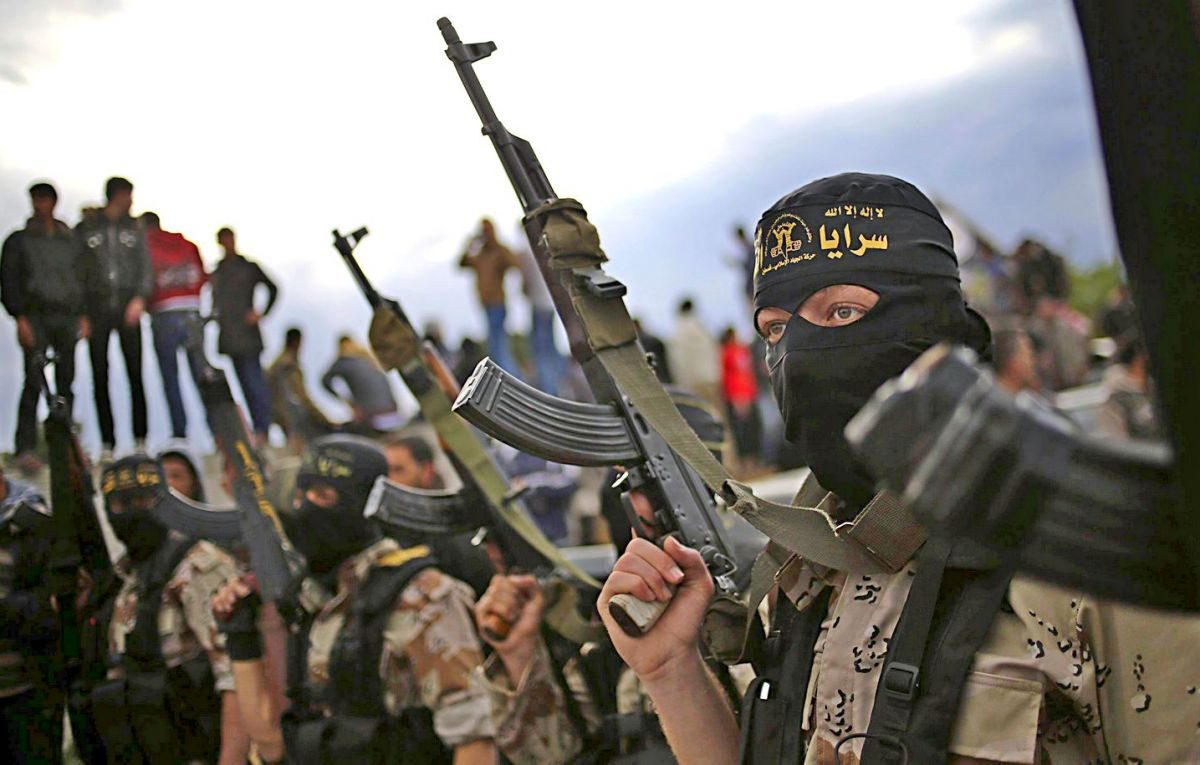
Years on, the threat posed by Al-Qaeda to the US may resurface.
A few days ago, it became known that US intelligence agencies had recorded the first signs of Al-Qaeda fighters returning to Afghanistan. We explain what this may mean for the US and what sanctions the country has already imposed on the group's supporters.
Return to Afghanistan
The CIA believes that over the years, the threat posed by the terrorist group Al-Qaeda to the US may resurface.
David Cohen
Deputy Director of the Central Intelligence AgencyWe are already beginning to track some signs of potential movement by Al-Qaeda in Afghanistan. But this is only the beginning, and we will obviously be watching this very closely.
According to current US intelligence assessments, Al-Qaeda would need one to two years to restore its ability to pose a threat to the US.
It is worth noting that Al-Qaeda and its founder Osama bin Laden are responsible for the September 11, 2001 attacks, which is why the US launched its military operation in Afghanistan.
Sanctions
The US has imposed sanctions on five Al-Qaeda supporters from Turkey who provide the group with financial services and assistance in organizing travel.
Andrea Gacki, Director of the Office of Foreign Assets Control, said the sanctions "underscore the unwavering commitment of the United States to combating the financing of Al-Qaeda.
"We will continue to work with our foreign partners, in particular Turkey, to expose and dismantle Al-Qaeda's financial support networks," the director noted.
The sanctions list includes Majd Salim, a lawyer of Egyptian origin who is considered the main coordinator of Al-Qaeda's activities in Turkey. The list also includes:
- Muhammad Nasr al-Din al-Ghazlani, an Egyptian financial courier who carried out money transfers in support of Al-Qaeda
- Nurettin Muslihan, Sebrail Guzel and Soner Gurleyen, citizens of Turkey
The sanctions provide for the blocking of assets in the US and a ban on conducting financial transactions.
What Al-Qaeda is and what its goal is
Al-Qaeda is one of the largest international terrorist organizations, founded in 1988 by Osama bin Laden to fight the Soviet invasion of Afghanistan.
After the withdrawal of Soviet troops from Afghanistan, the organization focused on fighting the US and the countries of the "Western world", as well as their supporters in Islamic countries. The organization's goal is to overthrow secular regimes in Islamic countries and establish a "Great Islamic Caliphate".
Al-Qaeda received the status of the world's terrorist group No. 1 after the bombings of US embassies in the capitals of Kenya and Tanzania in 1998. The organization is responsible for planning and carrying out a number of major terrorist acts, including the September 11, 2001 attacks in the US.
In 2006, after the HAMAS organization seized power in the Gaza Strip, Al-Qaeda began to show interest in establishing cells in this region, but disagreements between the organizations led to a large-scale clash. The organization is also accused of involvement in mass unrest in Libya.
In 2011, Al-Qaeda called on Muslims around the world to wage "individual jihad". The US Military Academy at West Point conducted a study, according to the results of which 88% of the victims of the group's attacks in 2004-2008 were not citizens of Western countries, mostly Iraqis.
"The Muslims they supposedly defend are a far more likely target of Al-Qaeda violence than the Western governments with which they have declared war," the study's authors said.
The most recent Al-Qaeda attacks:
- January 7, 2015 (Paris, France) — attack on the office of the French satirical weekly Charlie Hebdo (12 killed, 11 injured)
- November 20, 2015 (Bamako, Mali) — hostage taking (21 killed, seven injured)
- January 15-16, 2016 (Ouagadougou, Burkina Faso) — attacks (28 killed, more than 33 injured)

Russian Attacks in Dnipropetrovsk Region: Two Killed, Seven Injured

Defense Forces Strike Four Russian Drone Control Points in Past Day, Including in Berdiansk

Britain Threatens Sanctions on Kremlin-Linked People; Poland Ready to Hand Ukraine Ammunition

Russia says it has completed "planned exercises" in the Black Sea

MVD: Fake Riots With Prop Blood Were Being Prepared Near Presidential Office

Law Enforcers Name Another Klitschko Deputy as Suspect

Berlin Holds Protest Against War in Ukraine; EU Prepares for Possible Russian Halt of Gas Supplies
North Korea Fires Ballistic Missile Over Record Distance in Five Years
Irish Fishermen Force Russia to Postpone Naval Drills

US sanctions in case of invasion of Ukraine could completely destroy Russia's economy, NYT reports
