
Brexit is inevitable? What could stop Johnson from taking Britain out of the EU after the election victory
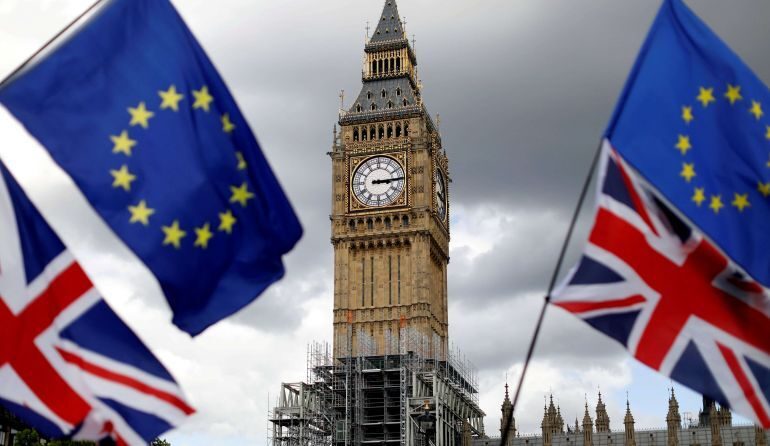
In short, Scotland and Northern Ireland.
Yesterday, December 13, it became known about the victory of the Conservative Party of British Prime Minister Boris Johnson in the parliamentary elections.
The historic victory gave the Conservatives 363 seats in parliament (326 is enough for a majority) out of 650 possible. Turnout was 67%, and the votes were distributed as follows:
- Conservatives — 43.6%
- Labour — 32.2%
- Liberal Democrats — 11.5%
- Scottish National Party — 3.9%
The Conservative Party won 50 more parliamentary seats than in the 2017 election. Labour, meanwhile, lost 40 seats. The last time the Conservatives had more parliamentary seats was more than 30 years ago, in 1987, when the British prime minister was the "Iron Lady" Margaret Thatcher.
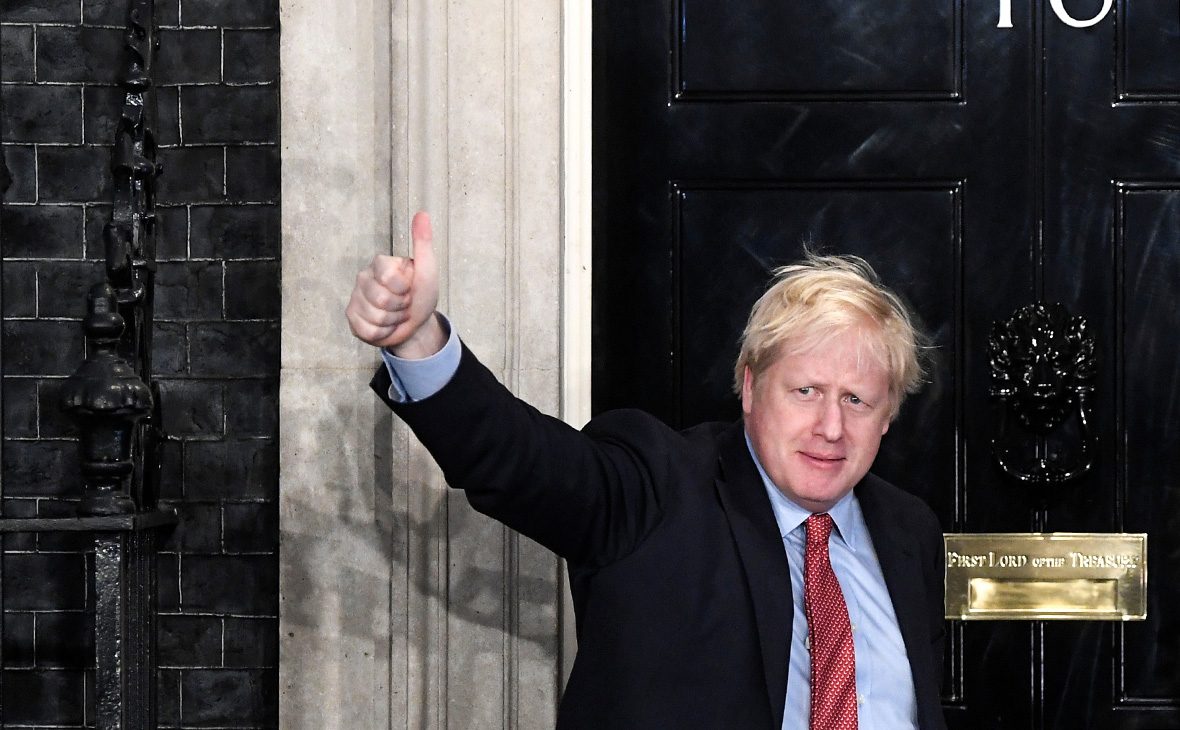
How Johnson managed to win
After the Conservatives' victory in the parliamentary elections, British Prime Minister Boris Johnson thanked and congratulated everyone involved. "We have come out of a dead end, found a way out of a hopeless situation," Johnson added.
The prime minister also asked the crowd: "With this mandate and this majority, what can we finally do?" The crowd chanted in unison: "Get Brexit done!".
Boris Johnson
British Prime MinisterNow Brexit is an irrefutable, insurmountable, indisputable decision of the British people. Let's finish Brexit, but first, friends, let's finish breakfast.
From the very beginning, Johnson chose a risky strategy, promising in July to take Britain out of the EU by October 31. And although the prime minister did not manage to keep his promise, it was precisely this strategy that proved winning for him and the Conservative Party.
Boris Johnson clashed, threatened to leave the EU without a deal, postponed parliamentary sessions, and even lost a court case because of this. Despite all these controversial actions, British voters chose him in the hope of putting an end to the protracted Brexit.
The Conservatives' success was also helped by the failure of Labour, which won the fewest votes since 1935. Even traditionally "Labour" regions of England voted against them. The party found support only in London.
Labour leader Jeremy Corbyn was already preparing to resign after analyzing the party's defeat. And Labour itself is demanding his immediate resignation, blaming him for the defeat due to his radical approach and lack of a position on Brexit.
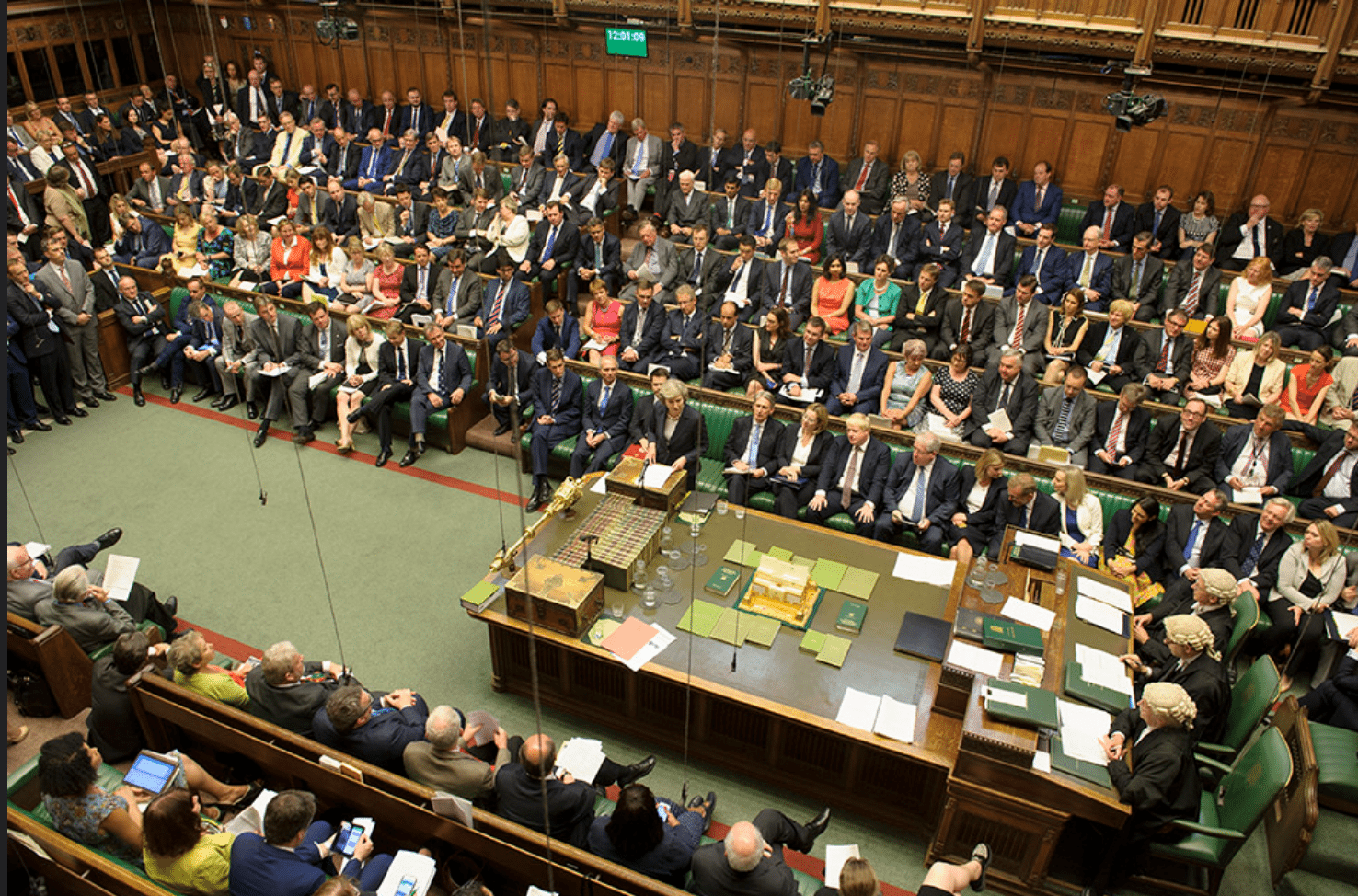
What could now stop Brexit
The EU's last Brexit extension expires on February 1, 2020, but Britain's exit could happen even earlier. For this, parliament needs to approve Johnson's agreement. Given the Conservative majority, there should be no problems with this.
But they could be delivered by Scotland and Northern Ireland. In the former, the Conservatives lost about 15 parliamentary seats, and the Scottish National Party naturally won. They are against Brexit and could raise the question of the region's independence. Last time, in 2014, 55% of voters in the referendum opposed separating from Britain.
In Northern Ireland, the Democratic Unionist Party won (only 0.8% of the votes across Britain). They want to remain part of the country and oppose Johnson's deal, under which the region would remain under EU jurisdiction.
Also, North Irish social democrats returned to parliament, supporting reunification with Ireland. Thus, a new split may emerge in Northern Ireland, which will affect Britain and its exit from the European Union.

Russian Attacks in Dnipropetrovsk Region: Two Killed, Seven Injured

Defense Forces Strike Four Russian Drone Control Points in Past Day, Including in Berdiansk

Britain Threatens Sanctions on Kremlin-Linked People; Poland Ready to Hand Ukraine Ammunition

Russia says it has completed "planned exercises" in the Black Sea

MVD: Fake Riots With Prop Blood Were Being Prepared Near Presidential Office

Law Enforcers Name Another Klitschko Deputy as Suspect

Berlin Holds Protest Against War in Ukraine; EU Prepares for Possible Russian Halt of Gas Supplies
North Korea Fires Ballistic Missile Over Record Distance in Five Years
Irish Fishermen Force Russia to Postpone Naval Drills

US sanctions in case of invasion of Ukraine could completely destroy Russia's economy, NYT reports
