
Captain America in North Korea: Parachutists Get New Uniform Designed by Kim Jong Un
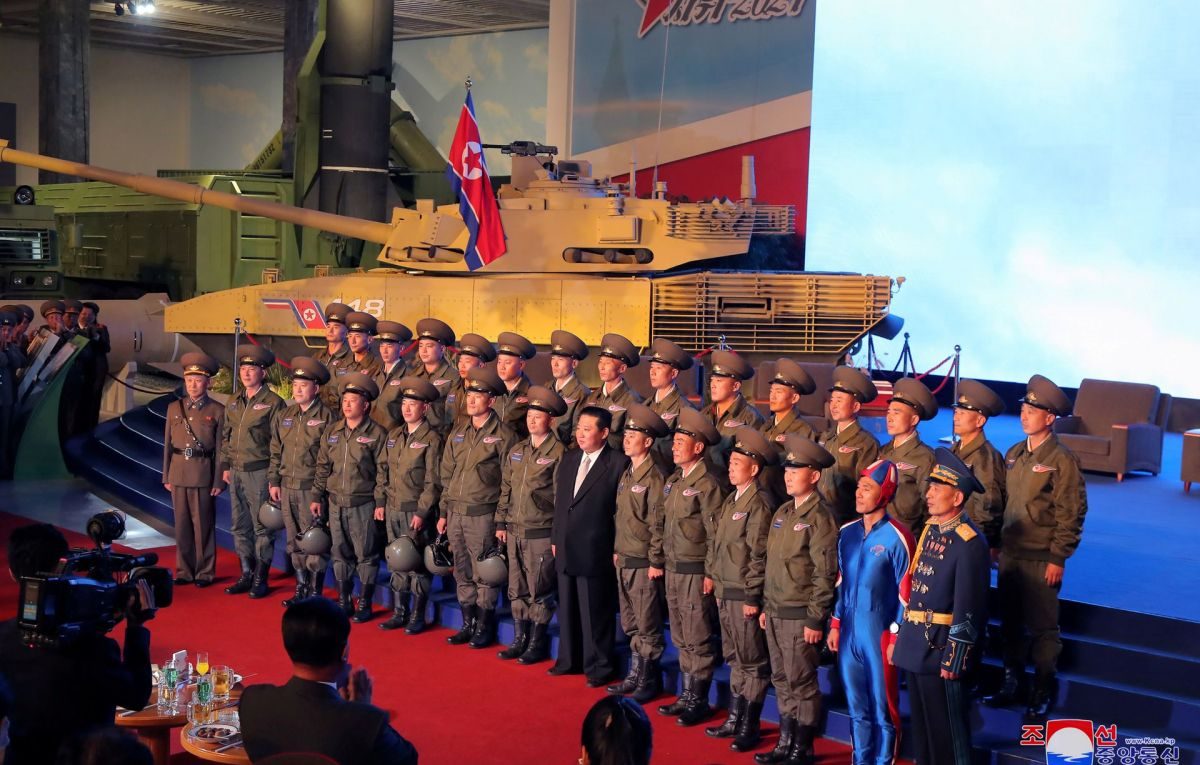
No, this is not a fake.
On October 10, North Korea held a large-scale celebration marking the official anniversary of the founding of the Workers' Party. Afterwards, a photo drew the attention of Western media and social media users: a man in a strange outfit stood alongside Kim Jong Un and officers of the Korean People's Army.
The suit looks less like a military uniform and more like the costume of a superhero from Marvel or DC comics. Some called the oddly dressed man "Captain DPRK," while others doubted the authenticity of the photo, since the man looked too unusual against the general backdrop. However, it is not a fake.
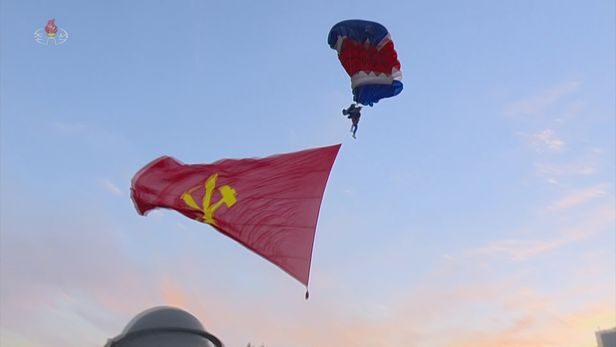
The photo's authenticity is confirmed by the website of the official newspaper of the Central Committee of the Workers' Party of Korea, Rodong Sinmun. The man in the strange suit is a parachutist of the Air Force of the Korean People's Army. The article dedicated to the party's anniversary says: "In the joyful October sky, on the horizon, the red Party banner fluttered, unfurled by a parachutist of exceptional skill who performed the descent."
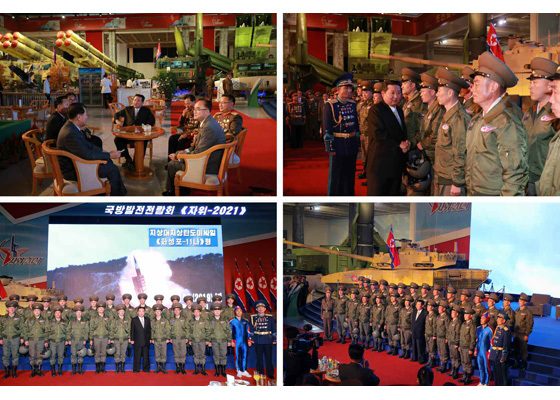
Most likely, this parachutist was honored to be photographed next to the "supreme leader." In North Korea, such a photo automatically raises a person's formal status in the pseudo-caste social hierarchy.
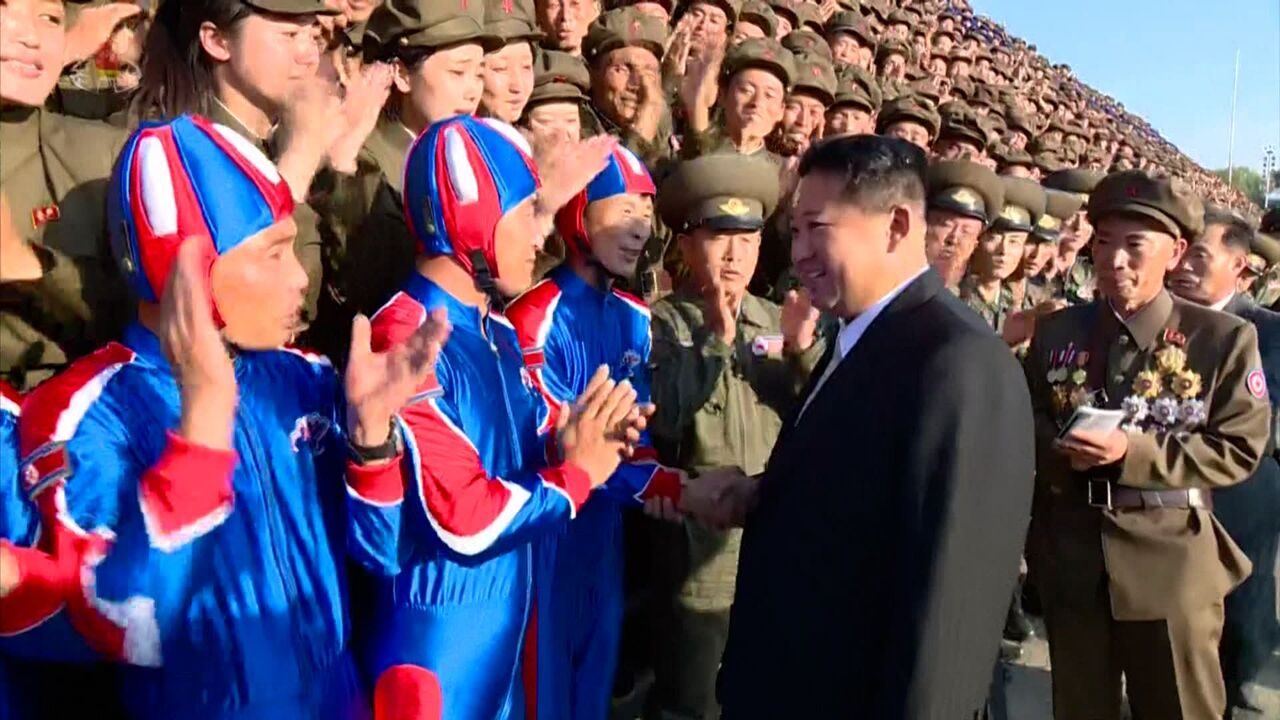
It is worth noting that this is not the first time parachutists in unusual uniforms have appeared on North Korean television. For example, in September Central Television showed Kim Jong Un shaking hands with parachutists.
Some suggest that the appearance of the unusual uniform (formally in the colors of the DPRK flag) is Kim Jong Un's personal initiative. At the very least, it is known that changing uniforms in the North Korean army requires the highest sanction, as evidenced by one of the DPRK documentaries, "The Father Commander Is Always With the Soldiers of the People's Army."
In the film, in the 1980s, the father of the current leader, Kim Jong Il, reviewed samples of the uniforms offered to him (sometimes a male model wore a sample uniform). Kim Jong Il had quite a discerning taste, as most of the proposed uniforms were not approved for mass production.
Previously, one could make assumptions about what was happening in the country based on North Korean uniforms. For example, Kim Il Sung only made himself a marshal's shoulder board "in Stalin's style" in 1954, after the death of the leader. After 1957 (after the DPRK broke free from Soviet influence), the typical "Soviet" stars with an anchor, which had been mandatory insignia in the early 1950s, disappeared from the shoulder boards of senior command staff.
The design of the new superhero-style uniform recalled that about 10 years ago Dennis Rodman visited the DPRK, and there were many hopes that the country had a leader enamored with America who could lead North Korea along the path of reform. However, all of this remained Kim Jong Un's gestures rather than grounds for optimism.
As the DPRK leader bet on developing strategic weapons, he also began to take an interest in changing military uniforms. Camouflage uniforms appeared in army units stationed near the inter-Korean border. Previously, such uniforms were only worn by southerners, which caused envy among northerners.
However, changes mostly happened to please the leader. Under Kim Jong Un, several variants of ceremonial uniforms for senior command staff appeared.
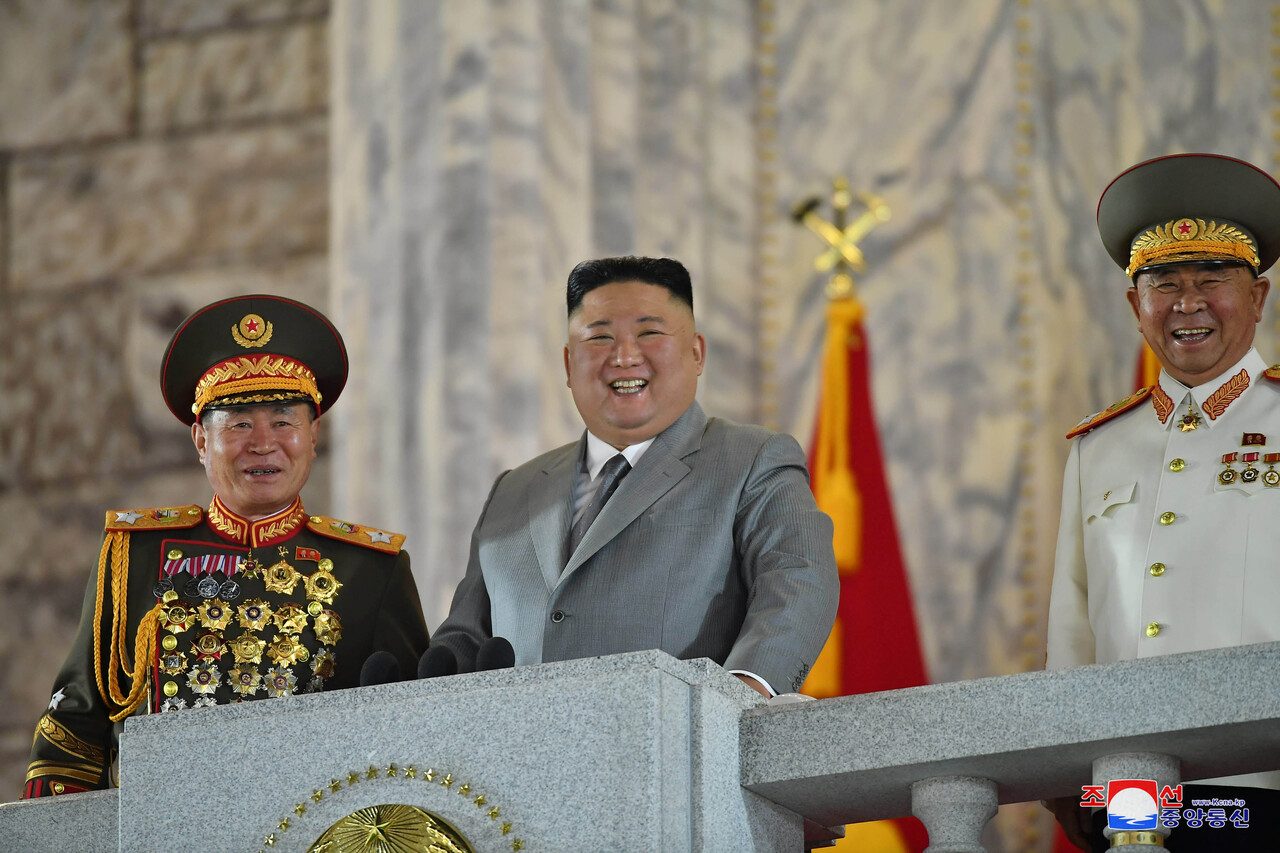
The uniform of the Korean People's Army, despite everything, remains a variation on the theme of the 1943 Red Army uniform, which the Soviet administration brought to North Korea back in the second half of the 1940s.

Russian Attacks in Dnipropetrovsk Region: Two Killed, Seven Injured

Defense Forces Strike Four Russian Drone Control Points in Past Day, Including in Berdiansk

Britain Threatens Sanctions on Kremlin-Linked People; Poland Ready to Hand Ukraine Ammunition

Russia says it has completed "planned exercises" in the Black Sea

MVD: Fake Riots With Prop Blood Were Being Prepared Near Presidential Office

Law Enforcers Name Another Klitschko Deputy as Suspect

Berlin Holds Protest Against War in Ukraine; EU Prepares for Possible Russian Halt of Gas Supplies
North Korea Fires Ballistic Missile Over Record Distance in Five Years
Irish Fishermen Force Russia to Postpone Naval Drills

US sanctions in case of invasion of Ukraine could completely destroy Russia's economy, NYT reports
