
Expert: Ukraine Will Have to Adapt to Germany's New Policy After Merkel's Departure
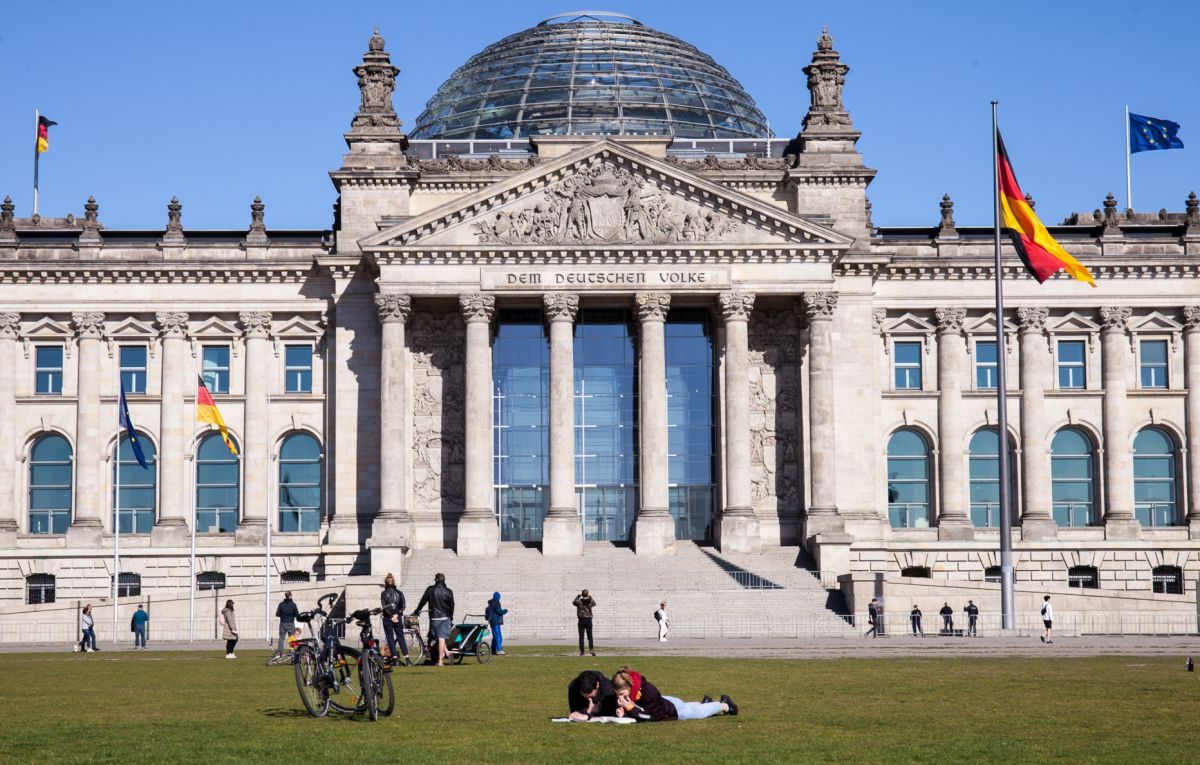
The CDU will have to share the Bundestag with the Greens.
Parliamentary elections will be held in Germany in autumn 2021. The traditional frontrunner in the election race has been the Christian Democratic Union (CDU), led by Angela Merkel. This time, opinion polls also show high chances for the Green Party.
Since 2014, the Greens have supported Ukraine and criticized Russia's policies, especially the Nord Stream 2 project. Green co-chair Robert Habeck even proposed supplying German weapons to Kyiv, but the CDU holds centrist views. Merkel's successor Armin Laschet does not plan to change the party's course.
In her last government address, Merkel called on the EU to establish high-level talks with Putin, noting the need for direct contact. According to FT, Germany and France proposed that the EU hold a summit with Russia with Putin's participation, but the idea was sharply received in Poland and the Baltic states.
Ukraine also did not like this proposal. Foreign Minister Dmytro Kuleba called the initiative a dangerous departure from the sanctions policy.
Dmytro Kuleba
Foreign Minister of UkraineThe decision to freeze EU-Russia summits was made in 2014 amid Russia's aggression against Ukraine. Unfortunately, Russia has shown no intention to change its policy either toward Ukraine or toward the EU. And we believe there are no grounds for restoring the summits.
As Maksym Yakovlev, head of the Department of International Relations at the Kyiv-Mohyla Academy National University, told TK Media in a comment, the new German parliament may face problems building relations with Russia.
In his view, the CDU and the Greens will win the most seats in the Bundestag, where they will have to form a coalition.
Maksym Yakovlev
expertThe two parties have diametrically opposed views on Russia and Nord Stream 2. While the Greens advocate completely stopping the project and Germany's direct support for Ukraine, the CDU proposes continuing the country's centrist course.
He is confident that the issues of Nord Stream 2, Ukraine and Russia could become an obstacle to forming a coalition in the Bundestag after the autumn parliamentary elections.
As Andrii Martynov, leading researcher in the Department of History of International Relations and Foreign Policy of Ukraine at the Institute of Ukrainian History, told TK Media in a comment, problems with forming a coalition could undermine German positions in the EU.
"While political bargaining continues, France may take the leading role in the EU," Martynov stressed.
In his view, Germany will not want to allow this scenario, so the Germans will look for compromises, which could include pressure on the Kremlin regarding extending the agreement on transporting Russian gas through Ukraine's gas transit system and dividing the posts of chancellor and foreign minister.
Martynov is confident that CDU leader Armin Laschet and Green leader Annalena Baerbock will compete for leadership in Germany.
Andrii Martynov
expertRegardless of the winner, Ukraine will have to adapt to Germany's new policy, which will undoubtedly change.

Russian Attacks in Dnipropetrovsk Region: Two Killed, Seven Injured

Defense Forces Strike Four Russian Drone Control Points in Past Day, Including in Berdiansk

Britain Threatens Sanctions on Kremlin-Linked People; Poland Ready to Hand Ukraine Ammunition

Russia says it has completed "planned exercises" in the Black Sea

MVD: Fake Riots With Prop Blood Were Being Prepared Near Presidential Office

Law Enforcers Name Another Klitschko Deputy as Suspect

Berlin Holds Protest Against War in Ukraine; EU Prepares for Possible Russian Halt of Gas Supplies
North Korea Fires Ballistic Missile Over Record Distance in Five Years
Irish Fishermen Force Russia to Postpone Naval Drills

US sanctions in case of invasion of Ukraine could completely destroy Russia's economy, NYT reports
