
How Former Presidents Are Tried for Corruption Around the World
Crime and punishment.
Yesterday, investigators from the State Bureau of Investigation sent the Prosecutor General's Office a draft notice of suspicion for Petro Poroshenko, the fifth president of Ukraine. Here is how former presidents from around the world have been tried for corruption.
Luiz Inácio Lula da Silva (Brazil)
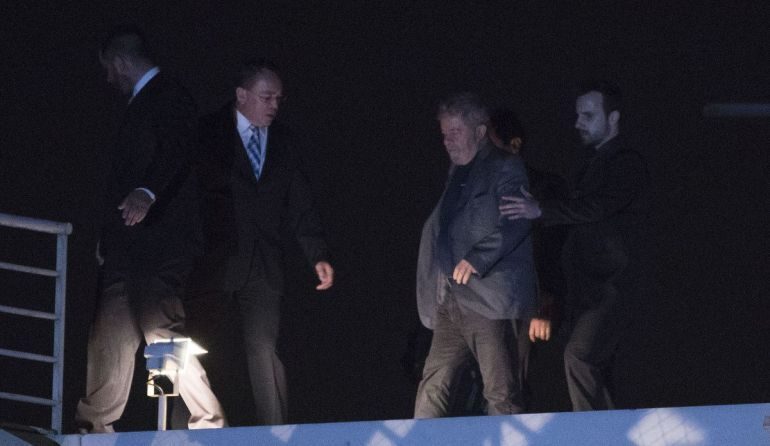
In April last year, a Brazilian court ordered former president Luiz Inácio Lula da Silva to be sent to prison. He led the country from 2003 to 2010.
Lula was charged in five separate corruption cases. The investigation into his activities began in 2014. It found that after coming to power, da Silva organized a corruption scheme. In particular, construction companies received contracts for major projects for the oil company Petrobras in exchange for kickbacks.
The court also ruled that the former president received more than one million dollars in bribes from the construction company OAS. He later used this money to buy an elite three-story apartment.
In July 2018, da Silva was sentenced to 9.5 years in prison. He later lost his appeal, and the court increased his sentence to twelve years.
Nicolas Sarkozy (France)
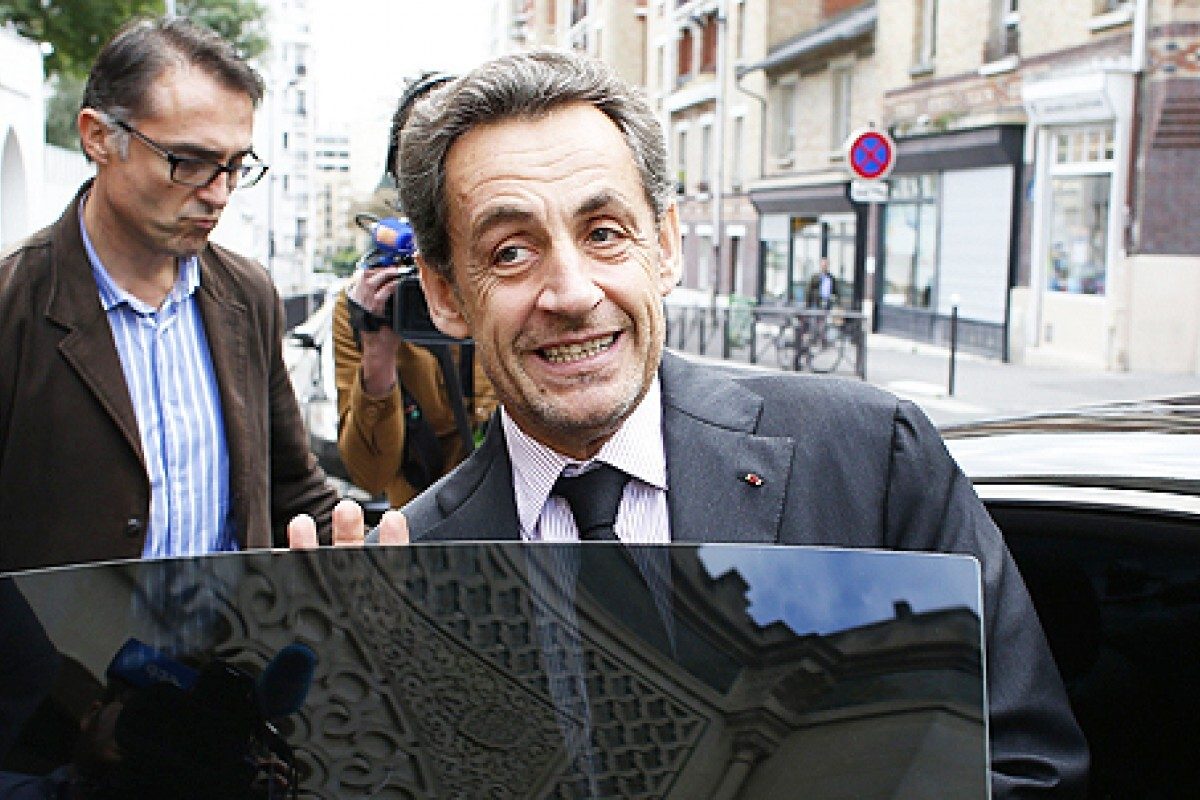
In early spring 2018, police in France detained former president Nicolas Sarkozy. He was eventually released, but the investigation into his case is still ongoing. In particular, the former head of state is suspected of financial fraud during his election campaign. More specifically, he allegedly received money illegally from Libya.
French investigators have information indicating that Libyan dictator Muammar Gaddafi secretly donated 50 million euros to Sarkozy's campaign. This sum is twice the budget permitted under French law.
In addition, Sarkozy is accused of corruption schemes and abuse of power. He allegedly tried to obtain secret information from Gilbert Azibert, a senior official at the Court of Cassation. In return, the president reportedly promised to help him secure a prestigious post in Monaco.
Jacques Chirac (France)
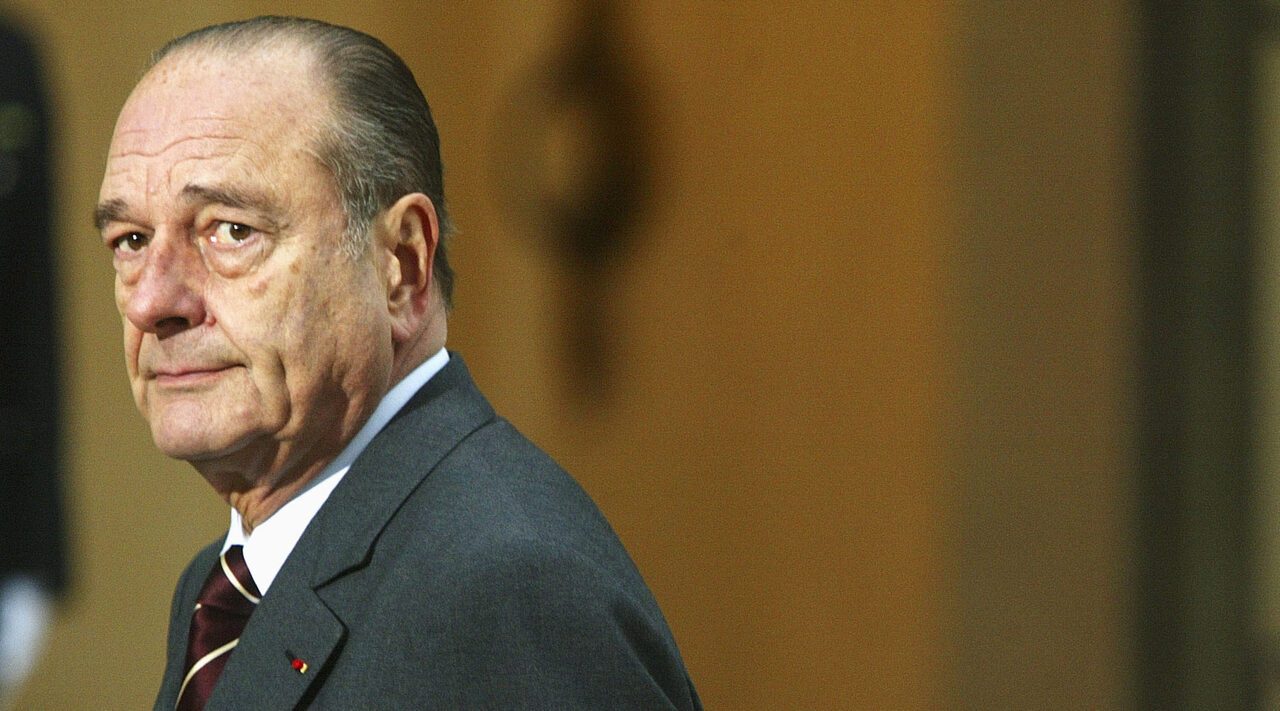
Another former president of France went through court proceedings because of his corrupt past. However, in this case, the issue concerns the period when he was still serving as mayor of Paris.
In 2011, a French court sentenced Chirac to two years in prison, suspended. He was found guilty of creating fictitious jobs, embezzling public funds, and abusing trust and powers as mayor of Paris.
Alberto Fujimori (Peru)
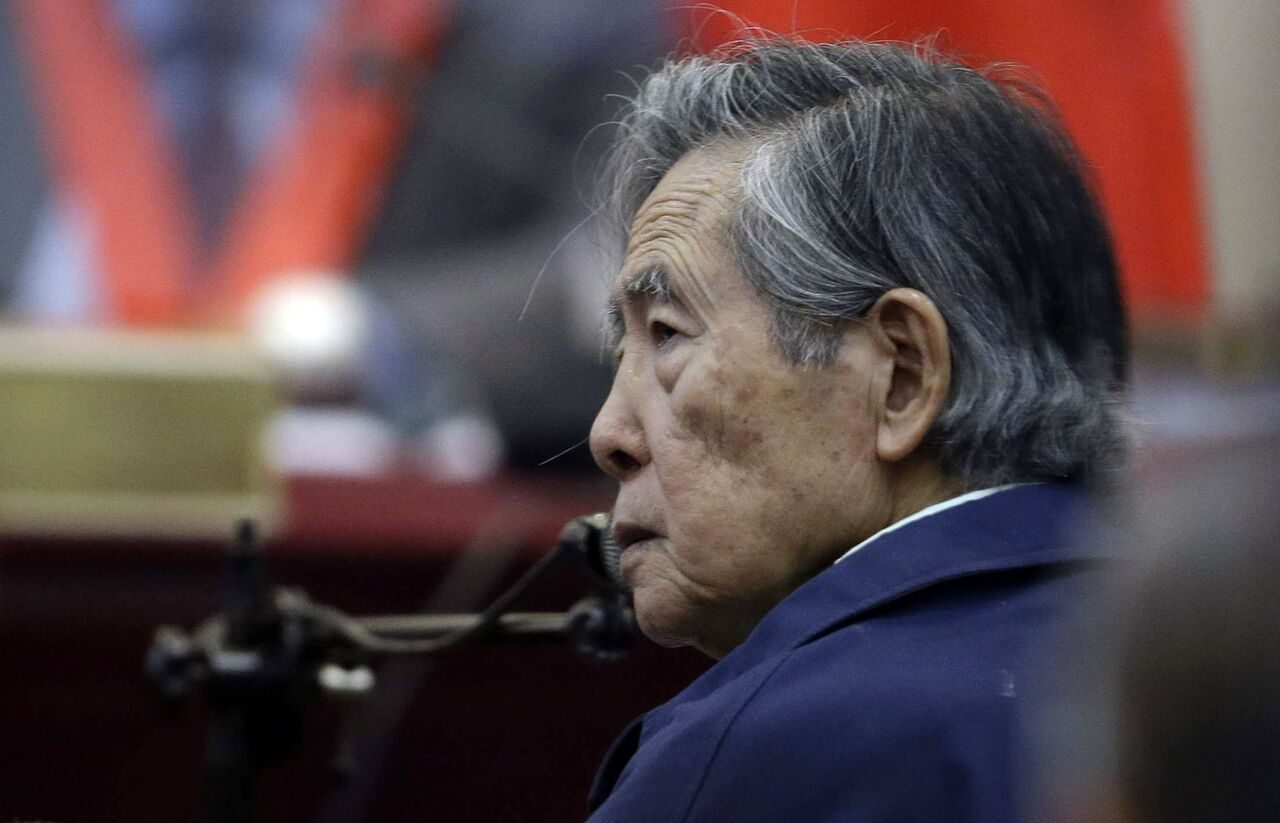
In 2000, then-president of Peru Alberto Fujimori was accused of corruption. Ultimately, the head of state fled to Japan, where his parents were born, and resigned. To do so, he sent a resignation letter by fax, which the local parliament did not accept.
Five years later, Fujimori was arrested in Chile, and Peru managed to secure his extradition home. There, the former president was sentenced to 7.5 years in prison. He was found guilty of bribery. In particular, he was accused of embezzling about 200 million dollars during his presidency. However, not all of the presented corruption episodes could be proven.
Later, his prison term was extended by another 25 years, but this time in a different case. The former president was found guilty of creating death squads and ordering an operation that resulted in the deaths of 25 people.
Alejandro Toledo (Peru)
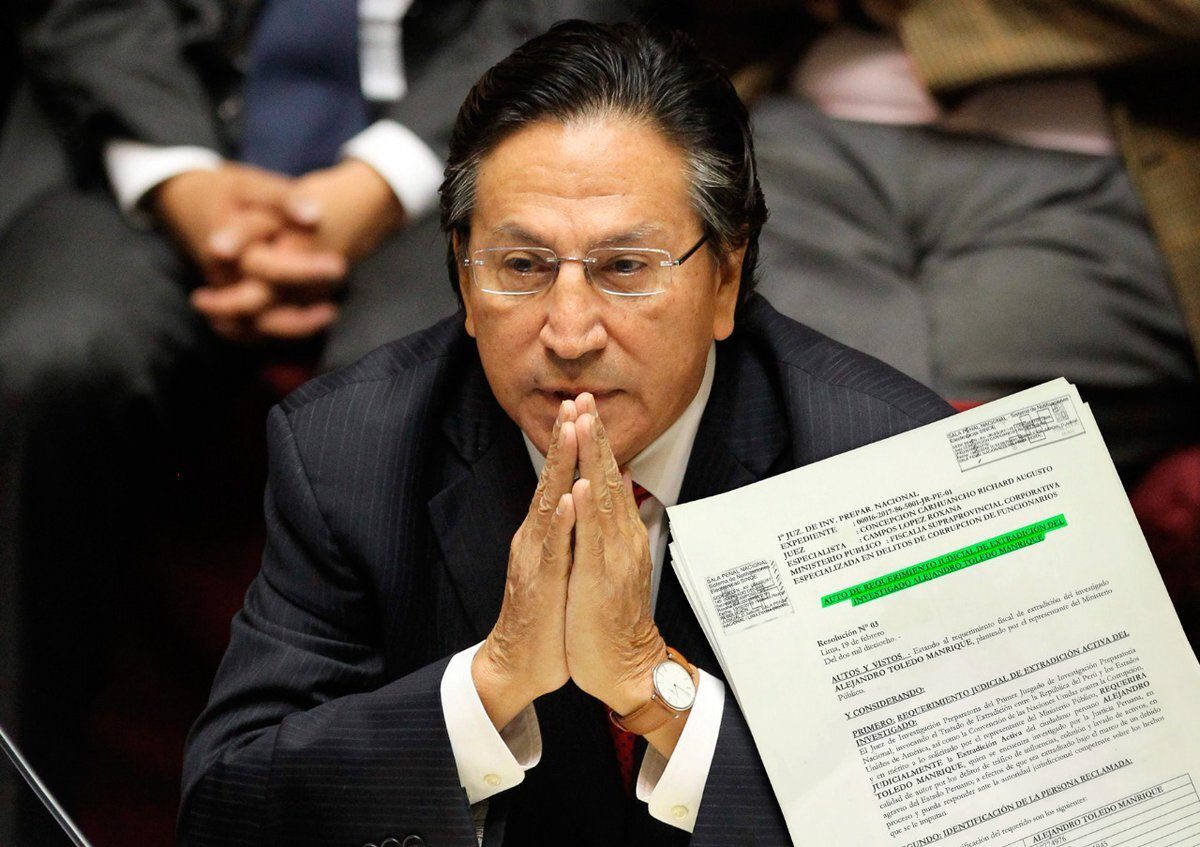
Another former Peruvian president. In 2017, a Peruvian court issued an arrest warrant for former head of state Alejandro Toledo, who governed the country right after Fujimori, from 2001 to 2006. He is accused of schemes involving the construction company Odebrecht. By the way, Odebrecht is one of the contractors of the aforementioned Petrobras, which led to the investigation of former Brazilian president.
Toledo is currently in the United States. American authorities have not yet decided whether to extradite the former president to Peru.
Park Geun-hye (South Korea)
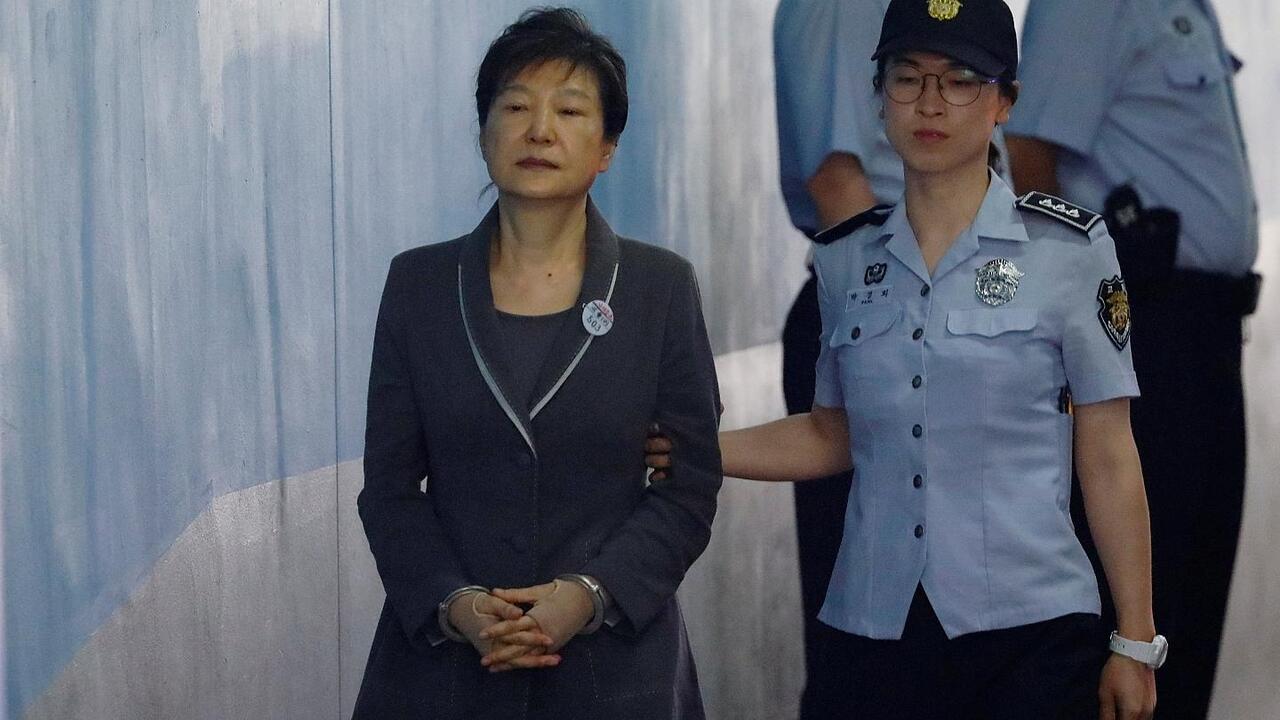
The former head of state of South Korea was removed from office thanks to numerous rallies across the country after the public learned of her corrupt activities. Parliament first voted to impeach her, and in 2017 she was arrested.
The charges include corruption, abuse of power, illegal pressure on businesses, and disclosure of South Korean state secrets. In August 2018, Park Geun-hye was sentenced to 25 years in prison and a fine of $17.8 million.
Cristina Fernández de Kirchner (Argentina)
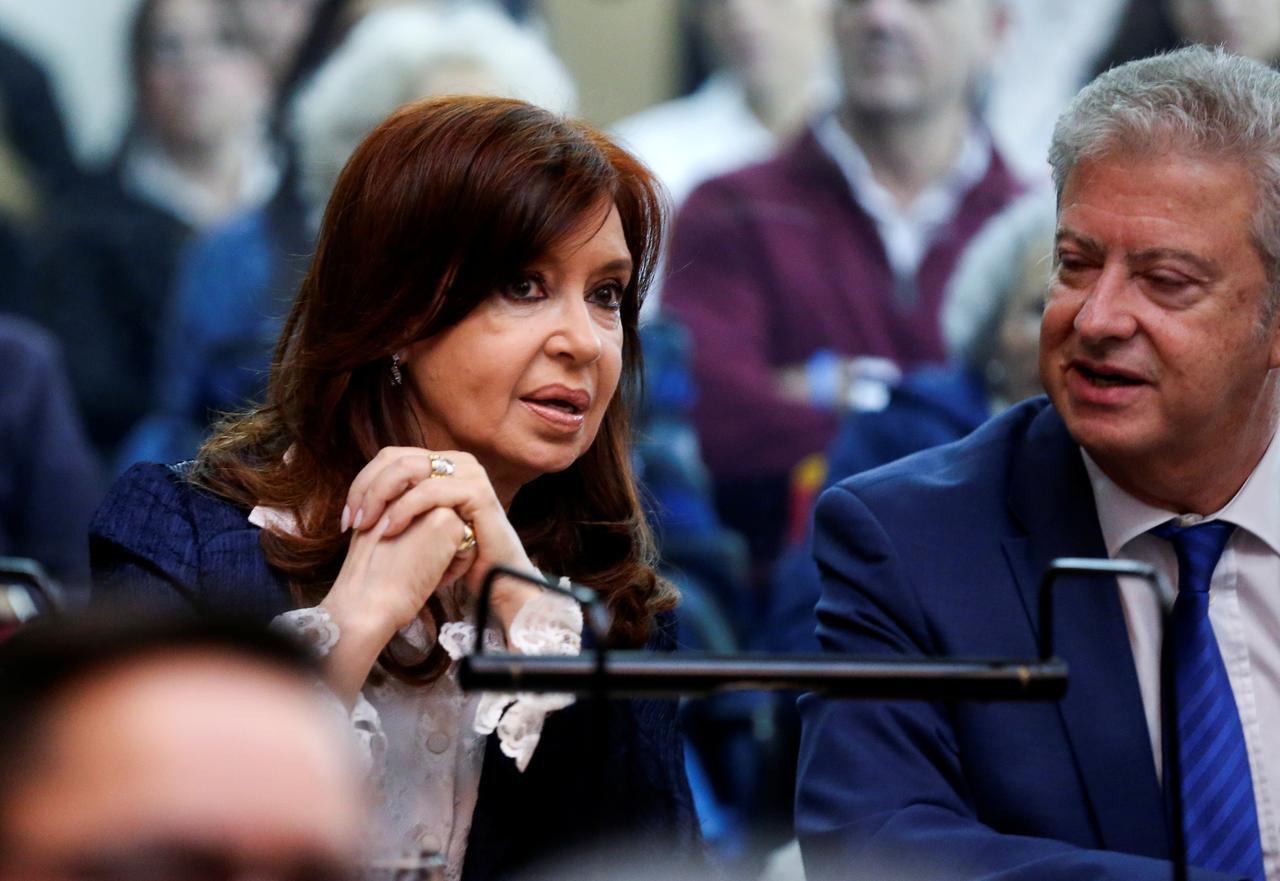
For a couple of years now, Argentina has been conducting court proceedings in the case of former president Cristina Fernández de Kirchner, who governed the country from 2007 to 2015. She faces charges of conspiracy to embezzle budget funds, involvement in schemes at the Central Bank of Argentina, illicit enrichment, and corruption.
She is now a member of parliament, and it is immunity that makes her feel safe.
Alexey Simonchuk

Russian Attacks in Dnipropetrovsk Region: Two Killed, Seven Injured

Defense Forces Strike Four Russian Drone Control Points in Past Day, Including in Berdiansk

Britain Threatens Sanctions on Kremlin-Linked People; Poland Ready to Hand Ukraine Ammunition

Russia says it has completed "planned exercises" in the Black Sea

MVD: Fake Riots With Prop Blood Were Being Prepared Near Presidential Office

Law Enforcers Name Another Klitschko Deputy as Suspect

Berlin Holds Protest Against War in Ukraine; EU Prepares for Possible Russian Halt of Gas Supplies
North Korea Fires Ballistic Missile Over Record Distance in Five Years
Irish Fishermen Force Russia to Postpone Naval Drills

US sanctions in case of invasion of Ukraine could completely destroy Russia's economy, NYT reports
