
Polio in Zakarpattia: Five Children Infected, One Paralyzed
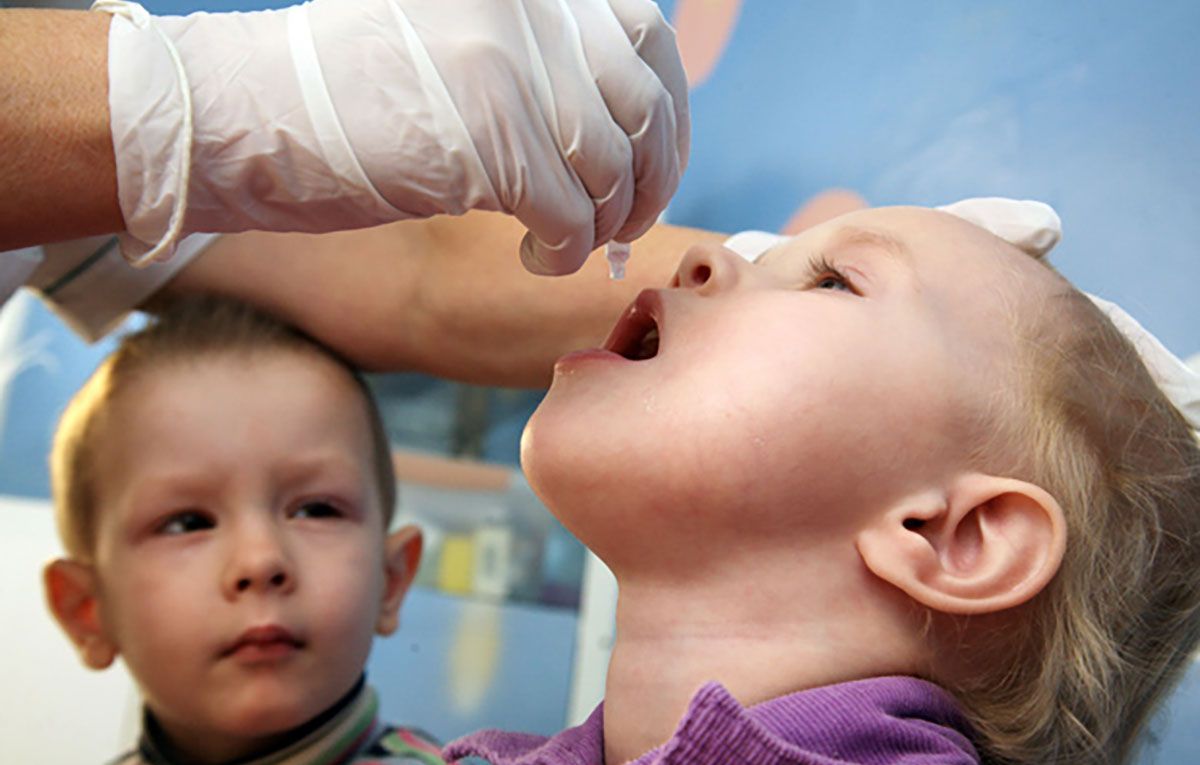
All those who fell ill were not vaccinated.
Five children in Zakarpattia have been diagnosed with polio, which vaccination could have prevented. None of the infected children had received routine polio vaccinations. BBC Ukraine reports that there are two separate outbreaks where cases were detected. One of them is linked to a recent outbreak in Rivne region.
How it started
The first case of infection was recorded in a 12-year-old girl from Tiachiv district in Zakarpattia region. On September 13, the schoolgirl developed acute intestinal disorders. Over the next three days her temperature rose, and on September 17 she developed lower back pain and a fever of 39 degrees Celsius.
The next day, the girl could no longer stand on her leg. On September 19, she was admitted to the regional children's hospital with suspected acute flaccid paralysis. The samples collected were sent to the Public Health Center laboratory in Kyiv.
The test results were positive: type 1 poliovirus was confirmed. Biological samples were also collected from two other children in the infected girl's family. They also had initial symptoms in the form of digestive disorders, but the virus was not confirmed in them.
On October 13, the 12-year-old girl was transferred from the infectious diseases ward to the neurology department. The mobility of her left leg has not yet been restored. Over the course of a year, the schoolgirl will undergo rehabilitation courses, including physiotherapy, massage and vitamin therapy.
Restoring the lost nerve function will require a year to a year and a half of active therapy. The mother of the infected girl changed her attitude toward vaccination only after her own child fell ill. She gave permission for her other two children to be vaccinated against polio. Initially, she was categorically opposed.
The polio infection case in the 12-year-old girl is not connected to the investigation of a paralysis case caused by poliovirus in an unvaccinated child from Rivne region. During the investigation, another outbreak was identified, but its location is not being disclosed for ethical reasons.
Four children who had contact with the infected child from Rivne region were confirmed to have type 2 poliovirus. The children's parents did not seek medical help. The children are now at home under the supervision of a family doctor and their parents.
As in the first case, none of the children had been vaccinated against polio. The difference in this case is that the parents refuse vaccination on religious grounds.
Anti-vaccination campaign
The current generation of parents in Ukraine does not know what polio is. Nearly every adult received a full course of polio vaccinations in childhood. However, as recently as the 1950s, thousands of children remained disabled as a result of the disease.
Doctors say that life without an epidemic creates an illusion of safety. Ukraine is seeing a trend toward refusing routine vaccinations. In Zakarpattia, 49% of children are vaccinated against polio.
Family doctors work with age groups that fall under the routine vaccination schedule recommendations, as well as with groups that previously refused vaccination. Most refusals are linked to religious views.
Ukraine has registered high-quality certified vaccines, but the anti-vaccination campaign in the media and on social networks is stronger than the vaccination campaign. The last time polio was recorded in Zakarpattia was in 2015: one child was four years old, and the other was 10 months old.
Both children had not been vaccinated. However, the Zakarpattia Sanitary and Epidemiological Service did not believe these cases clearly indicated polio.
What is polio
It is an acute infectious disease caused by poliovirus. The virus is transmitted from person to person through saliva and feces, especially through contaminated food and water. The virus enters the body through the mouth, enters the bloodstream and damages the nervous system, often causing paralysis.
Early symptoms include fever, fatigue, headache, vomiting, weakness in the neck muscles and pain in the limbs. Paralysis can set in within a few hours. It often affects the legs, but one in ten patients dies from suffocation as a result of paralysis of the respiratory muscles.
UNICEF reports that one in every 200 infected people remains paralyzed for life. Others are infected without symptoms but can still pass the disease on. Any unvaccinated person can become ill, both children and adults.
Children under the age of five are considered the most vulnerable. The only way to protect against the consequences of the disease is vaccination, as there is no specific treatment.

Russian Attacks in Dnipropetrovsk Region: Two Killed, Seven Injured

Defense Forces Strike Four Russian Drone Control Points in Past Day, Including in Berdiansk

Britain Threatens Sanctions on Kremlin-Linked People; Poland Ready to Hand Ukraine Ammunition

Russia says it has completed "planned exercises" in the Black Sea

MVD: Fake Riots With Prop Blood Were Being Prepared Near Presidential Office

Law Enforcers Name Another Klitschko Deputy as Suspect

Berlin Holds Protest Against War in Ukraine; EU Prepares for Possible Russian Halt of Gas Supplies
North Korea Fires Ballistic Missile Over Record Distance in Five Years
Irish Fishermen Force Russia to Postpone Naval Drills

US sanctions in case of invasion of Ukraine could completely destroy Russia's economy, NYT reports
