
American Scientists Propose Turning Landfill Gas into Salmon Feed. It Could Help Fight Climate Change
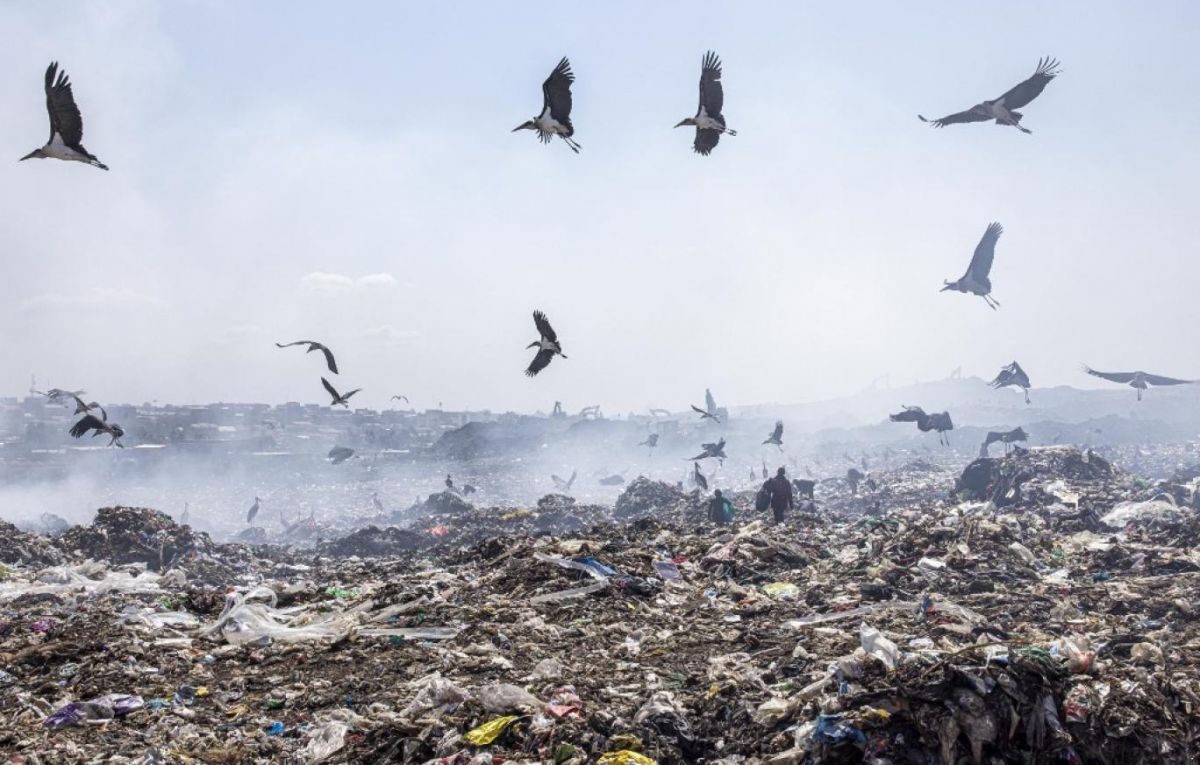
Methane from landfills could be used as “food” for microorganisms.
American scientists have proposed replacing fish meal used as feed on salmon farms and other fish and livestock farms with microbial protein.
The idea is not new, but until now, deliberately growing microorganisms for food has been quite expensive, more expensive than drying and pelleting fishing waste. New calculations show that under current conditions, microbial protein can be produced profitably if methane from landfills is used as “food” for the microorganisms.
Megacities are surrounded by garbage landfills. It is known that the decomposition of organic matter within a landfill without access to air releases so-called landfill gas. Methanogenic microbes, which can live without oxygen, are mainly responsible for its formation, so 60-75% of landfill gas is methane.
Methane must be vented to prevent a landfill fire or explosion. Some countries use the gas to generate electricity, but most often it is simply dispersed or burned in flares.
Methane is a dangerous greenhouse gas, since its greenhouse effect is 25 times greater than that of carbon dioxide. Currently, methane accounts for 10% of the total warming of the atmosphere. A large landfill can generate up to 30 tons of methane per day, which is comparable to emissions of associated gas from oil and gas fields and far exceeds emissions from water treatment facilities.
But there are microbes in nature that feed on methane. Methanotrophs are microorganisms that can be grown in bioreactors to produce protein-rich nutritional biomass suitable for use as animal feed in agriculture. Yeast biomass contains only 45% protein, while methanotroph biomass contains up to 80%.
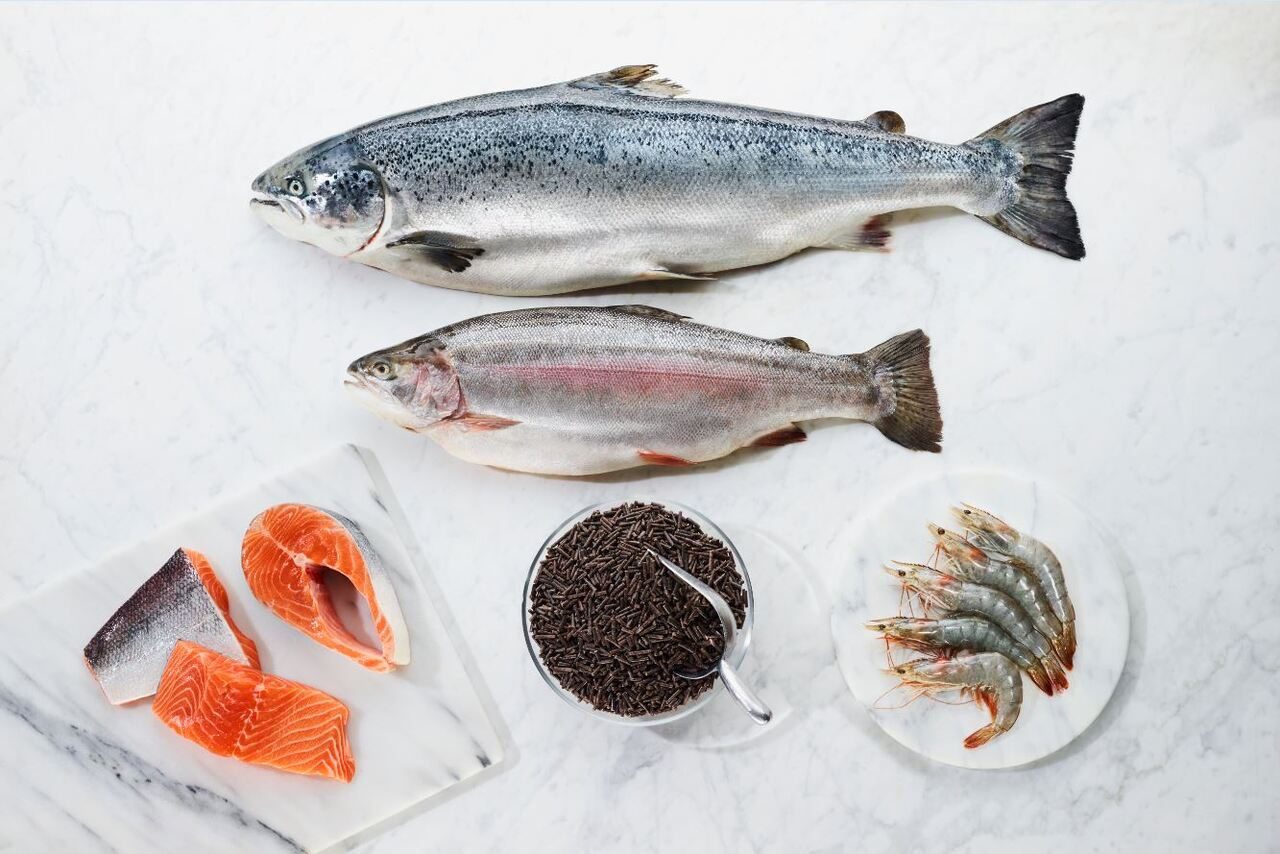
Scientists have determined how profitable it is now in the US to produce methane-based “single-cell protein” compared to the popular fish meal. This meal is usually made from low-value fish species and fishing waste, but as livestock needs have grown, so has the demand for feed supplements.
Small commercial fish have begun to be caught specifically, which has led not only to an overall decline in fish numbers in some water areas, but also to a reduction in biodiversity. Since 2000, the price of fish meal has risen significantly.
Producing protein from methanotrophs requires methane, oxygen, nitrogen and phosphorus, as well as electricity to operate and cool the bioreactor. Here is how production works: methane and air are fed into the pressurized reactor, while ammonia, phosphates and water are added to the growth medium.
After the cycle is complete, the biomass is separated in a centrifuge and the sediment is dried. For every 1.5 tons of methane spent, 2 tons of carbon dioxide are produced, which turns out to be more environmentally friendly.
The scientists also took into account associated costs (employee salaries, transportation and cleaning raw materials of impurities), and it turned out that the final price of microbial protein would be even lower than the average price of fish meal over the past 10 years: $1,546 versus $1,600 per ton.
About half of this cost is electricity, which varies from state to state. For example, if production is located in Texas and Mississippi (which have the lowest electricity prices), the cost per ton of product could be reduced by another 20%.
It is worth noting that the concept of producing “single-cell protein” is already more than 100 years old. At the end of the 19th century, brewer’s yeast was proposed as an addition to animal feed, and during the war in Germany it was used to compensate for food shortages.
At the end of the 20th century, progress in agriculture and livestock farming led to a significant increase in productivity and a decline in the popularity of microbial protein, but the need to feed the rapidly growing population of the planet made people remember it again, this time in the context of “sustainable development.”
The idea of converting methane into feed protein is not new either: in the US and Europe there are companies producing “methane protein” from natural gas. But scientists have calculated that it is most profitable to turn not natural resources but rotting garbage into food.

Russian Attacks in Dnipropetrovsk Region: Two Killed, Seven Injured

Defense Forces Strike Four Russian Drone Control Points in Past Day, Including in Berdiansk

Britain Threatens Sanctions on Kremlin-Linked People; Poland Ready to Hand Ukraine Ammunition

Russia says it has completed "planned exercises" in the Black Sea

MVD: Fake Riots With Prop Blood Were Being Prepared Near Presidential Office

Law Enforcers Name Another Klitschko Deputy as Suspect

Berlin Holds Protest Against War in Ukraine; EU Prepares for Possible Russian Halt of Gas Supplies
North Korea Fires Ballistic Missile Over Record Distance in Five Years
Irish Fishermen Force Russia to Postpone Naval Drills

US sanctions in case of invasion of Ukraine could completely destroy Russia's economy, NYT reports
