
Android Smartwatches Could Make a Breakthrough. Why Google Bought Fitbit
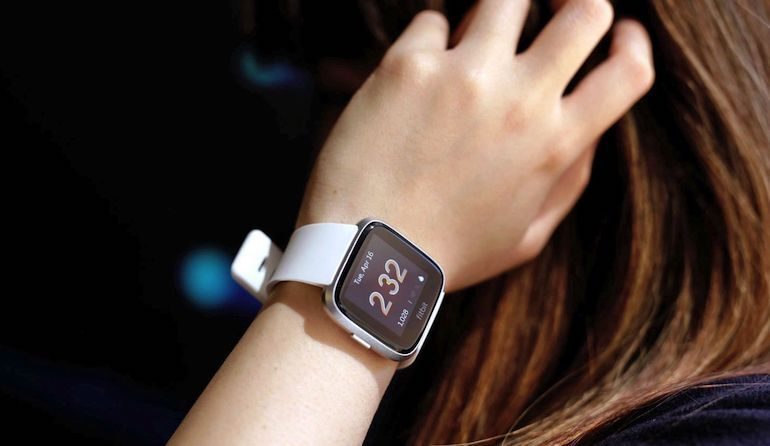
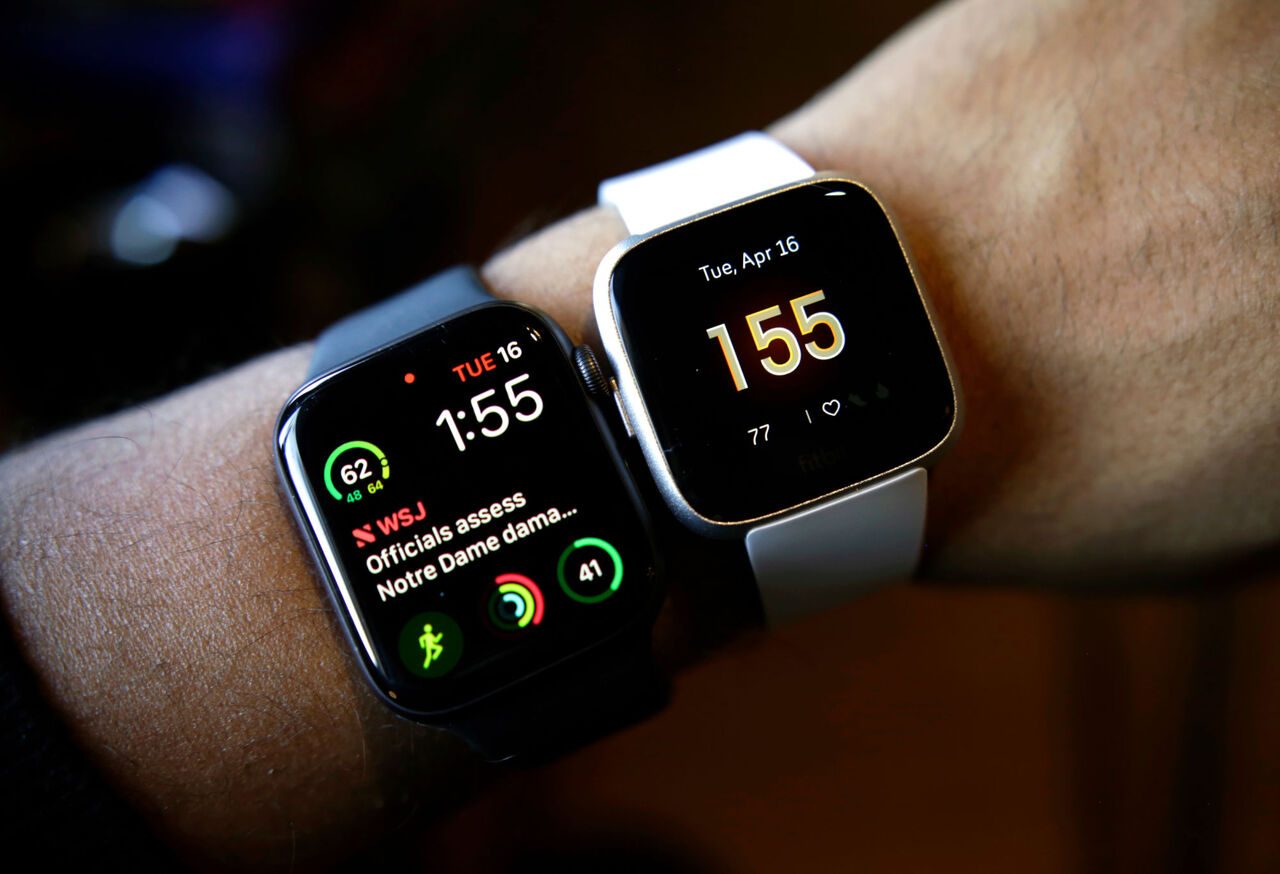
Apple's watches seem to be about to get a real competitor.
Wear OS, the version of the Android operating system for smartwatches, holds a very modest position in the market. Apple has taken the lead, while other manufacturers that have made successful watches and fitness trackers prefer to develop on their own operating systems rather than use Wear OS (unlike Android among mobile manufacturers).
But now everything may change: yesterday Google announced it was buying Fitbit — the number two company in the market.
Obviously, sooner or later the Fitbit OS and Wear OS operating systems will merge. Engadget.com listed several things from Fitbit that would make Wear much better.
1. Fun Fitness
The fitness component of Wear OS has always been a problematic part, while Fitbit has implemented it not just well, but in a fun way, freeing users from routine. For example, it celebrates achievements while walking.
2. Heart Rate Tracking
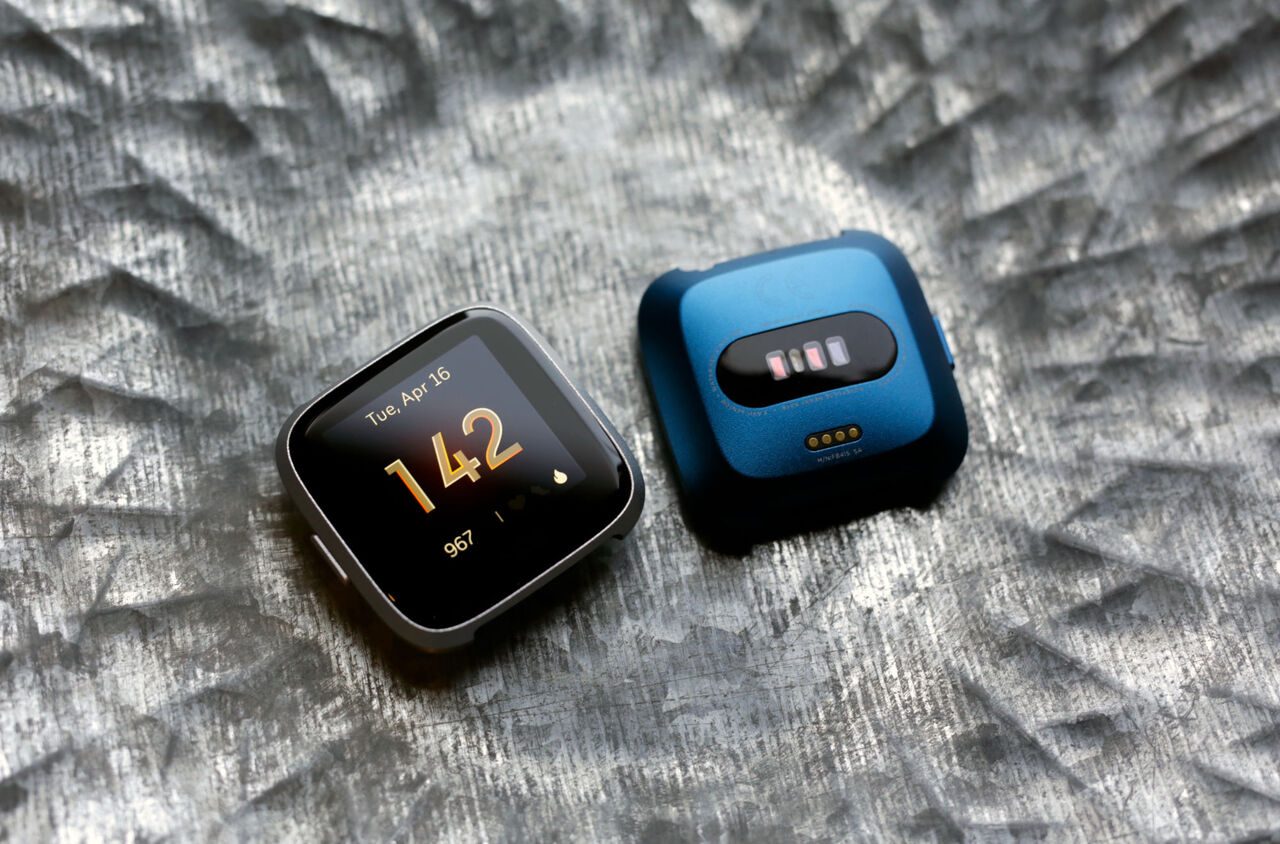
Over the past few years, Fitbit has greatly developed its PurePulse technology, which tracks the user's heart activity very accurately. The company has released the best value-for-money product on the market in this area: the Inspire HR bracelet costs less than $100.
PurePulse is probably one of the main reasons Google decided to buy Fitbit.
3. Technologies in Fitbit's Portfolio
The smartwatch startup Pebble was bought by Fitbit back in 2016. Pebble had many ideas about how smartwatches could complement a smartphone, but Fitbit hardly integrated any of them. Possibly, under Google, Pebble's developments will not sit idle.
Fitbit also has several other technologies it acquired from Vector, Coin, Fitstar and Twine Health.
4. Long Battery Life
Fitbit devices stand out for their battery life — even with powerful heart rate tracking technology, they last a week without charging.
Google still has to solve the question of combining Fitbit with its smartphones. If you use a Fitbit bracelet with Android — for example, a Google Pixel — the smartphone's battery is practically drained by Bluetooth. This does not happen at all with Apple phones.
5. Socialization
If you have a Fitbit, and so do your relatives, you will see their results. The company has cleverly built many features that encourage people to take part in healthy competition with each other.
Studies have shown that fitness trackers help health, but most people stop using them a couple of months after buying because they get bored. However, Fitbit has been more successful than other fitness trackers at turning buyers into devoted fans — thanks to its social features.
The main problem with Wear OS (and at the same time, the opportunity to fix the situation) — is that the operating system tried to be everything for everyone, whereas Fitbit succeeded by focusing on health and fitness. Apple also showed that this approach is right: Watch became successful precisely when it stopped trying to be the "next big thing" and focused on activity.
Based on materials from Engadget.com

Russian Attacks in Dnipropetrovsk Region: Two Killed, Seven Injured

Defense Forces Strike Four Russian Drone Control Points in Past Day, Including in Berdiansk

Britain Threatens Sanctions on Kremlin-Linked People; Poland Ready to Hand Ukraine Ammunition

Russia says it has completed "planned exercises" in the Black Sea

MVD: Fake Riots With Prop Blood Were Being Prepared Near Presidential Office

Law Enforcers Name Another Klitschko Deputy as Suspect

Berlin Holds Protest Against War in Ukraine; EU Prepares for Possible Russian Halt of Gas Supplies
North Korea Fires Ballistic Missile Over Record Distance in Five Years
Irish Fishermen Force Russia to Postpone Naval Drills

US sanctions in case of invasion of Ukraine could completely destroy Russia's economy, NYT reports
