
COVID-19 or Flu: Will Ukraine Face Another Epidemic
Epidemiologists say there is no reason to relax.
In October-November, Ukraine is expected to see a peak in flu and ARVI cases, although there is no flu yet. According to epidemiologists, this does not mean it will not come.
The Public Health Center described what the new epidemic season will look like, which types of flu could arrive in Ukraine, and how to combine flu and coronavirus vaccinations, writes BBC Ukraine.
Flu Will Return
In the 2020/2021 winter, flu was almost absent in Ukraine, so this epidemic season is called unique. Experts believe that quarantine and restrictive measures affected the disappearance of flu, since flu and coronavirus are transmitted in similar ways.
Oksana Koshalko
Head of the Epidemiological Surveillance Organization Department, PHCIn fact, flu has disappeared and its circulation is currently not observed. Did the coronavirus eliminate flu? Research continues and there is no definitive answer. There is a hypothesis that a person infected with the coronavirus cannot be infected with flu.
Today, flu is not being recorded in Ukraine, but people are widely falling ill with respiratory viruses. Every week the number of sick people increases.
Last week, about 200,000 Ukrainians fell ill with ARVI, which is half more than the week before. The epidemiologist predicts that an ARVI epidemic may begin soon.
According to Koshalko, the forecast for the future is discouraging, as morbidity will continue to grow. The peak of flu and ARVI cases is forecast for October-November. The combination of acute respiratory viral infections, influenza viruses and coronavirus may lead to a very discouraging situation.
Experts advise not to relax and to continue wearing masks, keeping distance and definitely getting vaccinated.
Koshalko said: "The fact that there is no flu now does not mean it will not appear in a week or two. Sooner or later, flu will return to us. It will still take its toll. When flu virus circulation begins, it is necessary for the maximum number of people to have immunity against it."

Vaccines and Flu Protection
There are no medicines against flu, but there is symptomatic treatment. Vaccination is needed every year, since flu strains change. The head of the PHC immunization department said that vaccination is the most effective tool, which has been used around the world for 50 years.
Flu vaccination is not mandatory but is recommended. Vaccination is especially recommended for people in risk groups: pregnant women, people over 60, children from six months old, and people with concomitant diseases.
It is advisable to get vaccinated at the beginning of the epidemic season, in September-November. The earlier the better, but it can be done throughout the year. Vaccine effectiveness begins 14 days later.
In 2021, the WHO forecasts the circulation of the following flu viruses in Ukraine:
- virus similar to A/Victoria/2570/2019 (H1N1)
- virus similar to A/Cambodia/e0826360/2020 (H3N2)
- virus similar to B/Washington/02/2019 (B Victoria lineage)
- virus similar to B/Phuket/3073/2013 (B/Yamagata lineage)
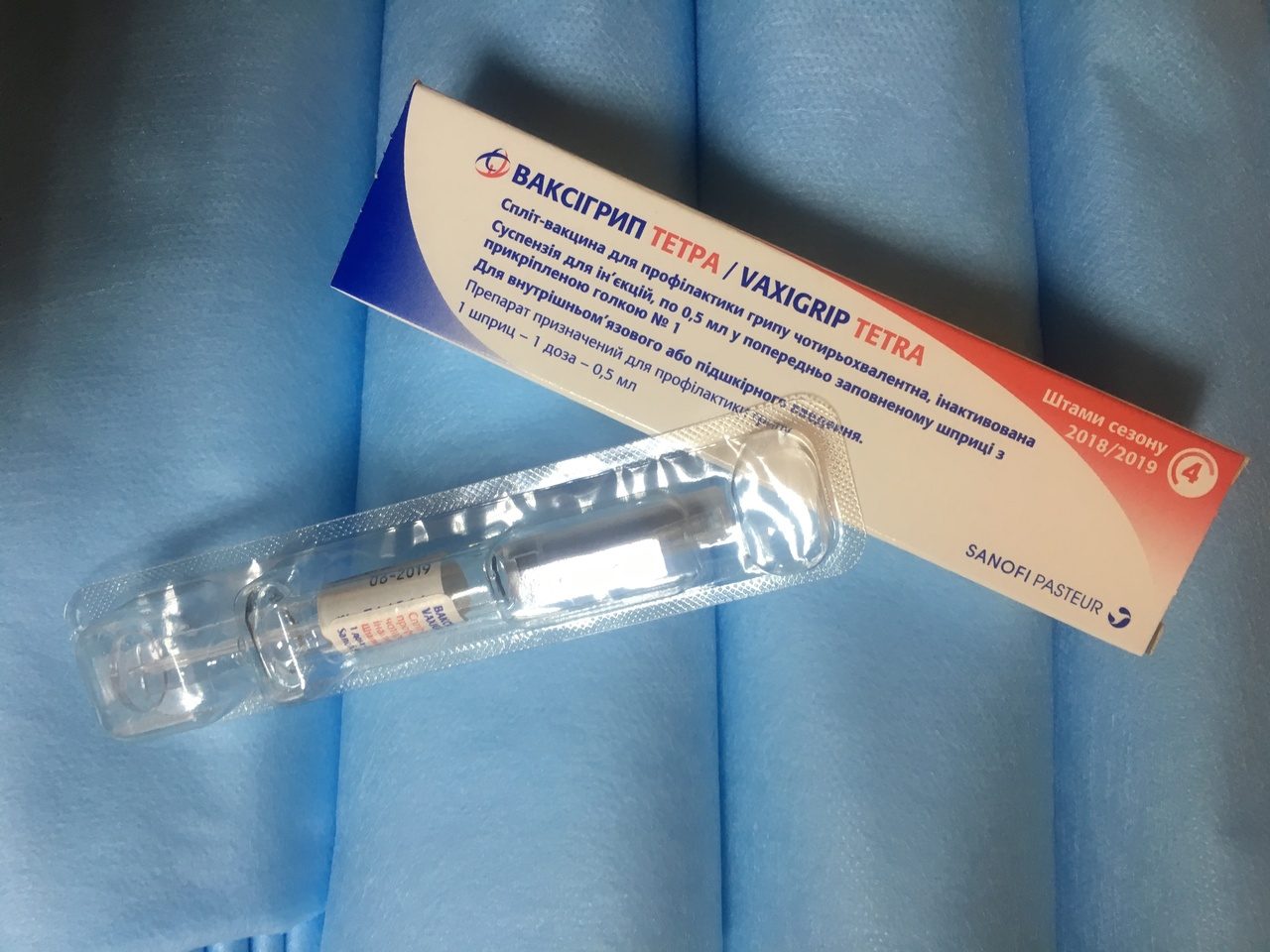
These exact strains are included in the quadrivalent flu vaccines that will be used this epidemic season. Three types of vaccine are available in Ukraine: Gc Flu Quadrivalent (South Korea), Vaxigrip Tetra (France) and Influvac Tetra (Netherlands). The country is expected to receive 1.25 million doses of vaccine this season.
Flu and COVID-19
According to the recommendations of the WHO and the National Technical Advisory Group on Immunization, there should be at least two weeks between flu vaccination and coronavirus vaccination.
A doctor issues a referral for vaccination, so you need to consult with them before getting vaccinated. It is important to remember that the flu vaccine does not protect against coronavirus and vice versa.
Coronavirus, flu and other ARVI are viral diseases, so they do not require antibiotic treatment. Antibiotics are intended only for treating bacterial infectious diseases. Doctors should prescribe antibiotics strictly according to indications, but patients need to be told the rules for taking them.
Roman Kolesnyk
Head of the Antimicrobial Resistance Department, PHCThe decision to prescribe antibiotics is made exclusively by a doctor based on a comprehensive assessment of the risk of a bacterial infection. Taking antibiotics on a neighbor's recommendation exposes you to the danger of side effects: allergic, toxic and antimicrobial resistance.
The coronavirus pandemic situation in Ukraine is worsening: on September 23, the highest number of new cases in the last four months was recorded (9,058). More than 100 people die per day, and thousands of citizens are admitted to hospitals.
The health system is still coping with the load. However, in four regions the share of occupied oxygen beds has already reached 50%: in Chernivtsi region, 62%; Kharkiv region, 54%; Ivano-Frankivsk region, 51%; and Ternopil region, 51%.

Russian Attacks in Dnipropetrovsk Region: Two Killed, Seven Injured

Defense Forces Strike Four Russian Drone Control Points in Past Day, Including in Berdiansk

Britain Threatens Sanctions on Kremlin-Linked People; Poland Ready to Hand Ukraine Ammunition

Russia says it has completed "planned exercises" in the Black Sea

MVD: Fake Riots With Prop Blood Were Being Prepared Near Presidential Office

Law Enforcers Name Another Klitschko Deputy as Suspect

Berlin Holds Protest Against War in Ukraine; EU Prepares for Possible Russian Halt of Gas Supplies
North Korea Fires Ballistic Missile Over Record Distance in Five Years
Irish Fishermen Force Russia to Postpone Naval Drills

US sanctions in case of invasion of Ukraine could completely destroy Russia's economy, NYT reports
