
Desmond Tutu Dies: South African Archbishop Who Fought Apartheid
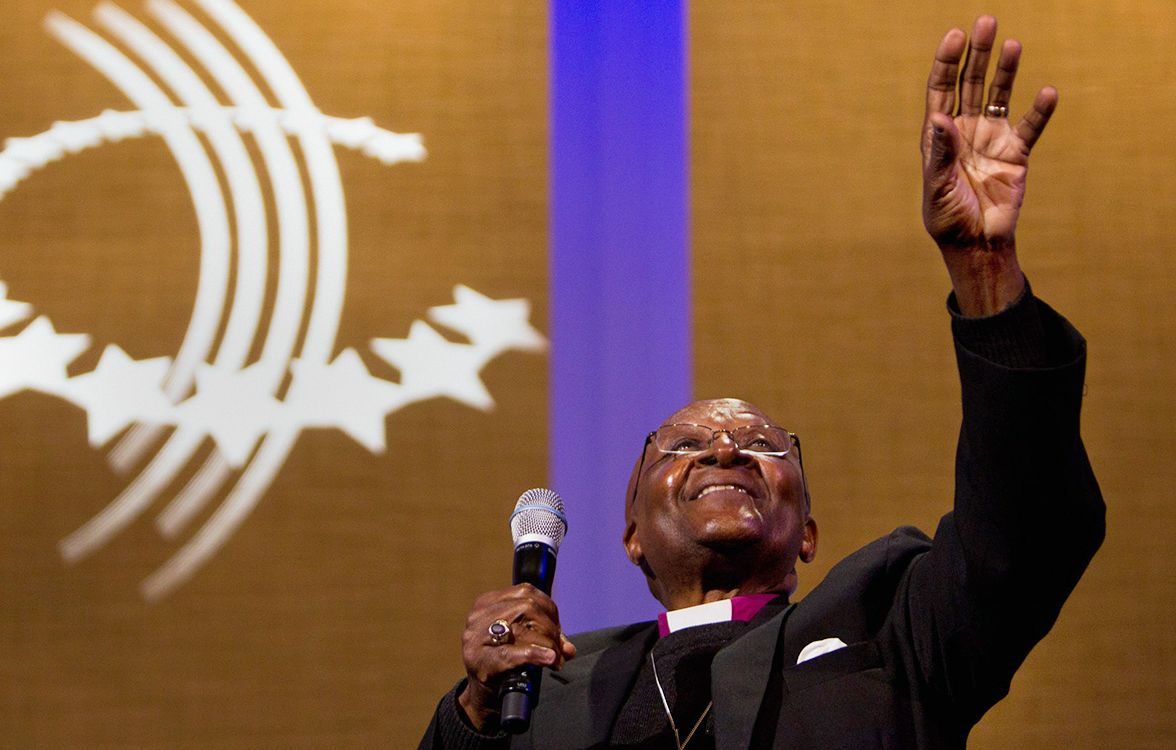
In 1984, he received the Nobel Peace Prize for his efforts to combat racial segregation.
In Cape Town, former head of the Anglican Church in the Republic of South Africa (RSA) and well-known anti-apartheid campaigner Desmond Tutu has died at the age of 90. This is reported on the website of the South African president.
The South African president said the archbishop's death was "another chapter of mourning in the nation's farewell to a generation of outstanding South Africans."
Tutu was born in 1931 near Johannesburg. In 1955, he began working as a schoolteacher, but three years later he left this post in protest against the oppression of Black students.
Desmond became an Anglican priest and went to Britain to study theology. In 1966, he returned to South Africa and began speaking publicly against apartheid and in favor of sanctions against the South African government.
In 1980, he led a delegation that called on Pieter Willem Botha, then prime minister of South Africa, to abolish the policy of apartheid.
Apartheid was the official policy of physical and legal separation of races and domination by the white minority in South Africa from 1948 to 1994. The international community condemned apartheid, so during this time the country was under international sanctions.
In 1984, Desmond Tutu received the Nobel Peace Prize for his efforts to combat racial segregation. He became the first Nobel laureate from South Africa. Two years later, he became Archbishop of Cape Town and head of the Anglican Church of South Africa.
Tutu was the first Black person to hold this office. In 1994, after the abolition of apartheid in South Africa and the election of Nelson Mandela as president, Tutu headed the Truth and Reconciliation Commission, within which victims of apartheid could publicly describe the oppression they had experienced.
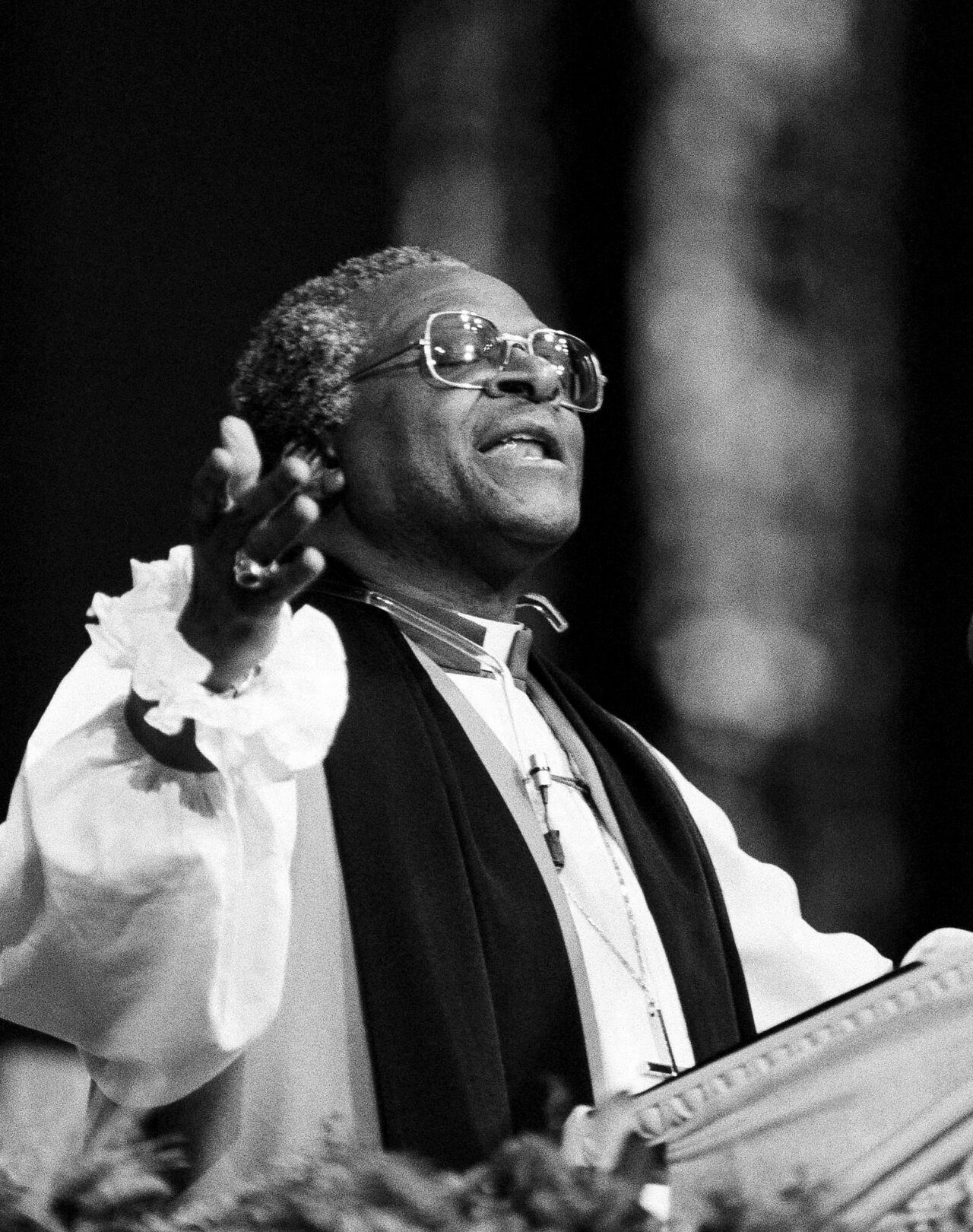
People who had taken part in implementing the apartheid regime could also appear before the commission. They had the opportunity to receive amnesty. In 1996, Desmond stepped down as head of the Anglican Church of South Africa and focused on the work of the commission. He was granted the title of Archbishop Emeritus.
In his public activities, Tutu did not divide people into "us" and "them"; he said that all people were children of God. At the start of the 21st century, he criticized the administration of Black president Thabo Mbeki for failing to fight poverty and for concentrating the country's wealth in the hands of a new Black elite.
In the mid-1990s, the archbishop was diagnosed with prostate cancer. He spoke publicly about his diagnosis in order to encourage men in his country to get checkups more often.
In the last years of his life, he spoke out for the rights of gay people and against homophobia within his Anglican Church: "I would not pray to a homophobic God, and I would not want to go to a homophobic heaven. I would rather go to hell." In 2015, his daughter Mpho Tutu married a woman in the Netherlands, and her father blessed their union.
In November 2021, Frederik Willem de Klerk died. He was the last white president of South Africa, during whose rule the country set course for the abolition of apartheid. In 1990, he released Nelson Mandela from prison. Mandela was one of the leaders of the struggle for the rights of Black South Africans and had spent 27 years in captivity.
In 1993, de Klerk and Mandela shared the Nobel Peace Prize for the abolition of apartheid in South Africa.

Russian Attacks in Dnipropetrovsk Region: Two Killed, Seven Injured

Defense Forces Strike Four Russian Drone Control Points in Past Day, Including in Berdiansk

Britain Threatens Sanctions on Kremlin-Linked People; Poland Ready to Hand Ukraine Ammunition

Russia says it has completed "planned exercises" in the Black Sea

MVD: Fake Riots With Prop Blood Were Being Prepared Near Presidential Office

Law Enforcers Name Another Klitschko Deputy as Suspect

Berlin Holds Protest Against War in Ukraine; EU Prepares for Possible Russian Halt of Gas Supplies
North Korea Fires Ballistic Missile Over Record Distance in Five Years
Irish Fishermen Force Russia to Postpone Naval Drills

US sanctions in case of invasion of Ukraine could completely destroy Russia's economy, NYT reports
