
Under Merkel, Germany Blocked Weapons Sales to Ukraine via NATO
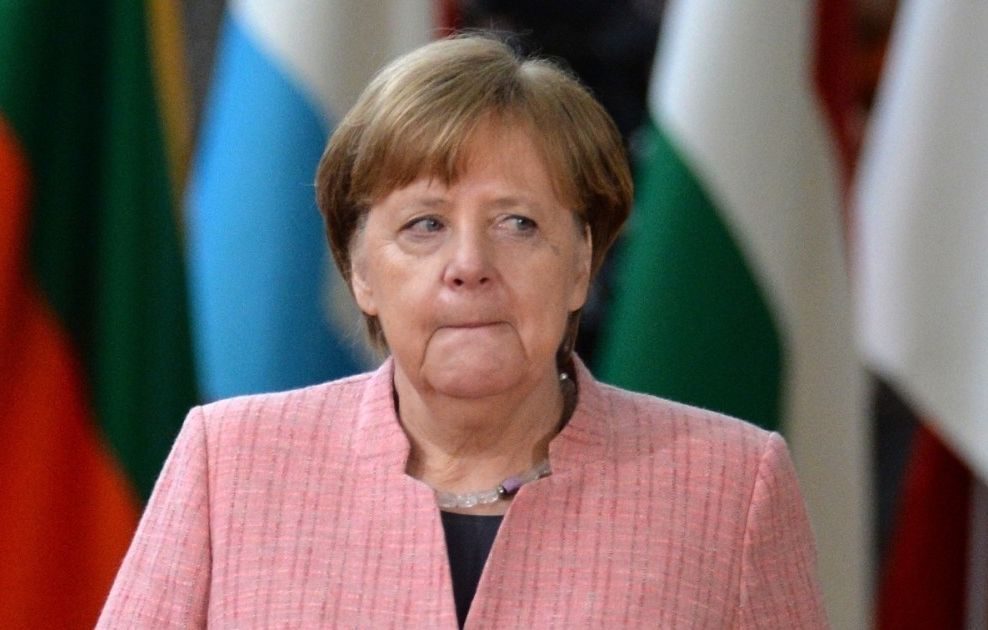
Ukraine's government is currently negotiating with Germany's new government to lift a NATO veto.
Under Angela Merkel's leadership, Germany blocked weapons deliveries to Ukraine by vetoing a special NATO procurement mechanism. Before the veto, certain procurement agreements had already been drawn up with the United States, Britain and Lithuania.
Now Ukrainian diplomats are negotiating with Berlin to lift the veto, pinning their hopes on Germany's new government.
Merkel imposed a veto
Defense Minister Oleksiy Reznikov publicly stated on December 13 to Financial Times that Germany was blocking arms purchases for Ukraine. "They are still building a gas pipeline and at the same time blocking our defense weapons. This is very unfair," Reznikov said.
"Germany is blocking the purchase of weapons for an unknown reason," the minister clarified. "The British promised to help, since they themselves had faced Germany blocking their arms sales."
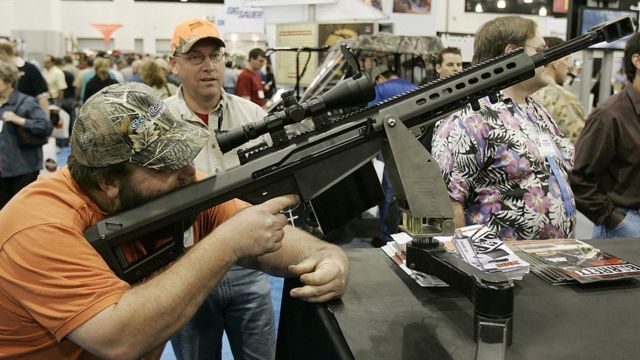
According to him, the purchases were supposed to go through the NATO Support and Procurement Agency, but Berlin vetoed Ukraine's acquisition of anti-drone guns as well as anti-sniper systems.
"It's all very simple: we submit an application and carry out the purchases. However, purchases also require political approval, so problems arose because of the position of certain countries," explained Kuleba, the minister.
According to the German newspaper Bild, deliveries of weapons were blocked as early as May, personally by German Chancellor Angela Merkel.
The reference was to 90 Barrett M82 large-caliber sniper rifles from the United States and 20 EDM4S-UA counter-drone systems from Lithuania.
"Each decision to provide Ukraine with lethal support through NSPA depends on the consensus of allies on a case-by-case basis," a NATO spokesperson told the newspaper.
A Bild source claims that the Netherlands sided with Germany at Berlin's direction, because Merkel's government did not want to create the impression that it was the only one opposing the sale.
In August, as the newspaper learned, Volodymyr Zelensky asked Chancellor Merkel during her visit to Kyiv to end the blockade of weapons purchases in the United States, Lithuania and other NATO countries, but she, according to those present at the meeting, said this was out of the question.
A few days before Merkel's term ended, she partially eased the blockade amid the buildup of Russian troops near the Ukrainian border.
For example, in late November Germany lifted its veto on the EDM4S-UA counter-drone systems. Ukraine will receive ten of the 20 units in December 2021.
But Germany's blockade of rifles from the United States continues, the newspaper claims.
Negotiations with Germany's new government
Foreign Minister Dmytro Kuleba said that on the issue of weapons he is pinning his hopes on the new German government.
Dmytro Kuleba
Foreign Minister of UkraineI have held talks with my colleague Annalena Baerbock (Germany's new foreign minister, ed.), including on this issue. We agree that any problem can be resolved through diplomatic tools.
A Foreign Ministry spokesperson for Germany told Bild that the ministry typically does not comment on confidential discussions and decisions within the Alliance.
Ukraine's Ambassador to Germany Andriy Melnyk, in a comment to the newspaper, urged the new federal government to approve defensive weapons for Ukraine.
Andriy Melnyk
Ambassador of Ukraine to GermanyContinuing to refuse defensive weapons for pseudo-pacifist reasons in the face of this acute threat would be a fatal historical mistake for Germany and a betrayal of the Ukrainian people.

Russian Attacks in Dnipropetrovsk Region: Two Killed, Seven Injured

Defense Forces Strike Four Russian Drone Control Points in Past Day, Including in Berdiansk

Britain Threatens Sanctions on Kremlin-Linked People; Poland Ready to Hand Ukraine Ammunition

Russia says it has completed "planned exercises" in the Black Sea

MVD: Fake Riots With Prop Blood Were Being Prepared Near Presidential Office

Law Enforcers Name Another Klitschko Deputy as Suspect

Berlin Holds Protest Against War in Ukraine; EU Prepares for Possible Russian Halt of Gas Supplies
North Korea Fires Ballistic Missile Over Record Distance in Five Years
Irish Fishermen Force Russia to Postpone Naval Drills

US sanctions in case of invasion of Ukraine could completely destroy Russia's economy, NYT reports
