
Nicolas Sarkozy Sentenced to One Year in Prison: What the Former French President Is Accused Of
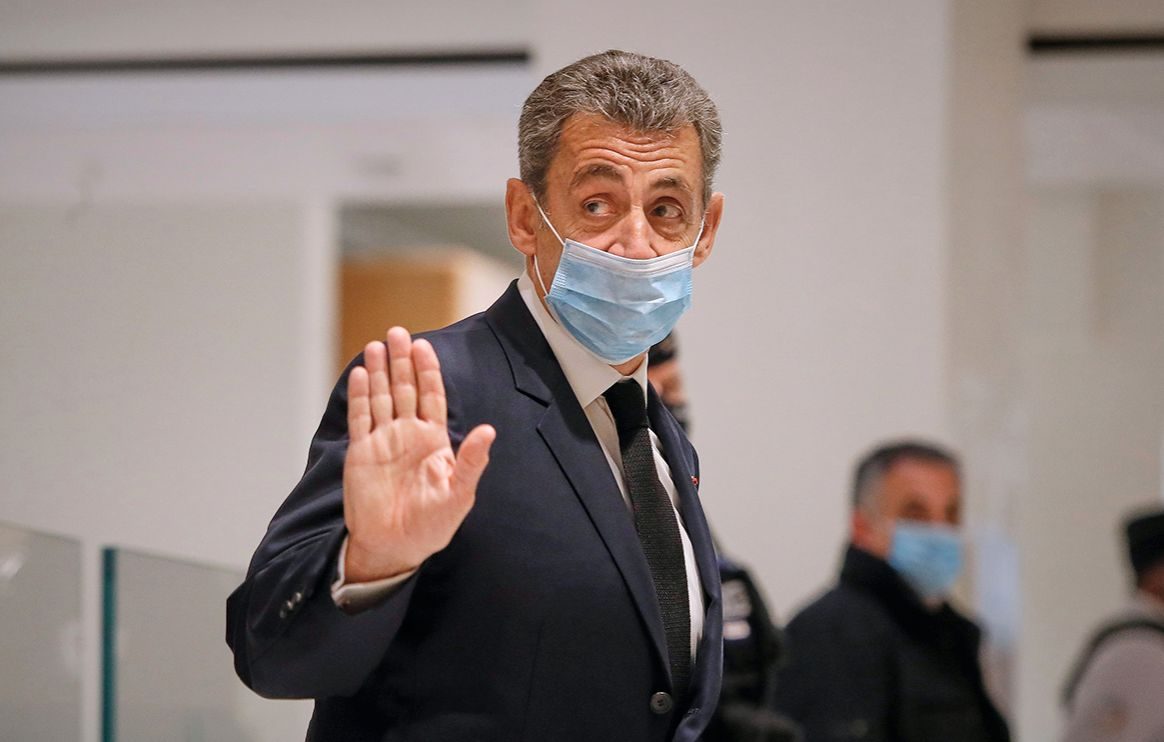
He was found guilty of illegal campaign financing.
The Paris Correctional Court found Nicolas Sarkozy, the 23rd president of France (2007–2012), guilty of illegal campaign financing and sentenced him to one year in prison. Here is what the former president is accused of and what other cases are under investigation against him.
One year in prison
Nicolas Sarkozy will serve his sentence outside prison, wearing an electronic tag. After the verdict was announced, his lawyer said he would appeal. The court found that the former French president exceeded the spending limit set by law during his 2012 election campaign.
According to the court, he continued holding rallies after he had spent €42.8 million instead of the permitted €22 million. According to investigators, the PR agency Bygmalion allocated more than €20 million to Nicolas Sarkozy's party, which was then concealed and not recorded as expenses for his presidential campaign.
Besides Sarkozy, 13 other people are on trial in the case. They are accused of using forged documents, embezzlement, concealing embezzlement and fraud. The prosecutor asked for suspended prison sentences of one and a half to four years.
In March 2021, Sarkozy was given a real prison sentence on charges of corruption and influence peddling. He received three years, of which two are suspended and one is to be served in prison. The former president may seek to be held under house arrest rather than in prison.
This case was opened because Sarkozy received confidential information about the investigation into illegal financing of his presidential campaign. He filed an appeal against the verdict.
Nicolas Sarkozy himself claims he is being persecuted because of his work as president. He believes the criminal cases are revenge by judges for his attempts to limit their powers.
Gaddafi may have financed Sarkozy's campaign
On March 20, 2018, Nicolas Sarkozy was detained at a police station in Nanterre, a suburb of Paris. He had come there to be questioned in the case concerning the financing of his 2007 election campaign by Libyan leader Muammar Gaddafi. It was the first time the politician agreed to talk with law enforcement about these allegations.
Back in 2013, an investigation was opened into possible Libyan financing of Sarkozy's election campaign, which brought him to the presidency. In 2011, Gaddafi's son Saif al-Islam, speaking on Euronews, demanded that Sarkozy return the funds the country had allocated to him before and after the election campaign.
The French president rejected the accusations and called them revenge by the Gaddafi family, angry that France had played a key role in toppling Gaddafi's regime. In April 2012, the investigative website Mediapart published documents bearing the signature of the head of Libyan intelligence, which stated Libya's agreement to pay €50 million to support Sarkozy's campaign.
An agreement on this was allegedly reached as early as October 2006 between Sarkozy's adviser Brice Hortefeux and Libyans at a meeting. Under French law, a candidate may not use foreign financing. Sarkozy called the media reports a fake.
However, the court recognized the authenticity of some of the documents and allowed them to be used in the police investigation. In 2016, French-Libyan businessman Ziad Takieddine confirmed that he had attended a meeting between Hortefeux and Libyan politicians, and then personally carried €5 million in cash in suitcases from Tripoli to Paris for Sarkozy.
In this operation, the intermediary was allegedly the future interior minister Claude Guéant. When undeclared €500,000 was found in his accounts, he also had to explain himself in the “Libyan case”. Police considered Tripoli the source of the funds. Guéant, however, claimed he had raised the money by selling two paintings.
Another investigation
In January 2021, France's National Financial Prosecutor's Office opened a preliminary investigation into Sarkozy on charges of influence peddling. The investigation concerns consulting services he provided in Russia.
Prosecutors are investigating a consulting services contract that Sarkozy signed in 2019 with the Russian insurance group RESO-Garantia. According to Mediapart, the contract amounted to €3 million.
RESO-Garantia said it does not comment on the terms of its contract with Sarkozy: "It is strange that this topic has interested someone today, since this contract is already more than 1.5 years old."

Russian Attacks in Dnipropetrovsk Region: Two Killed, Seven Injured

Defense Forces Strike Four Russian Drone Control Points in Past Day, Including in Berdiansk

Britain Threatens Sanctions on Kremlin-Linked People; Poland Ready to Hand Ukraine Ammunition

Russia says it has completed "planned exercises" in the Black Sea

MVD: Fake Riots With Prop Blood Were Being Prepared Near Presidential Office

Law Enforcers Name Another Klitschko Deputy as Suspect

Berlin Holds Protest Against War in Ukraine; EU Prepares for Possible Russian Halt of Gas Supplies
North Korea Fires Ballistic Missile Over Record Distance in Five Years
Irish Fishermen Force Russia to Postpone Naval Drills

US sanctions in case of invasion of Ukraine could completely destroy Russia's economy, NYT reports
