
Nobel Peace Prize Goes to Journalists: Who Were the Main Contenders and Why the Prize Is Controversial
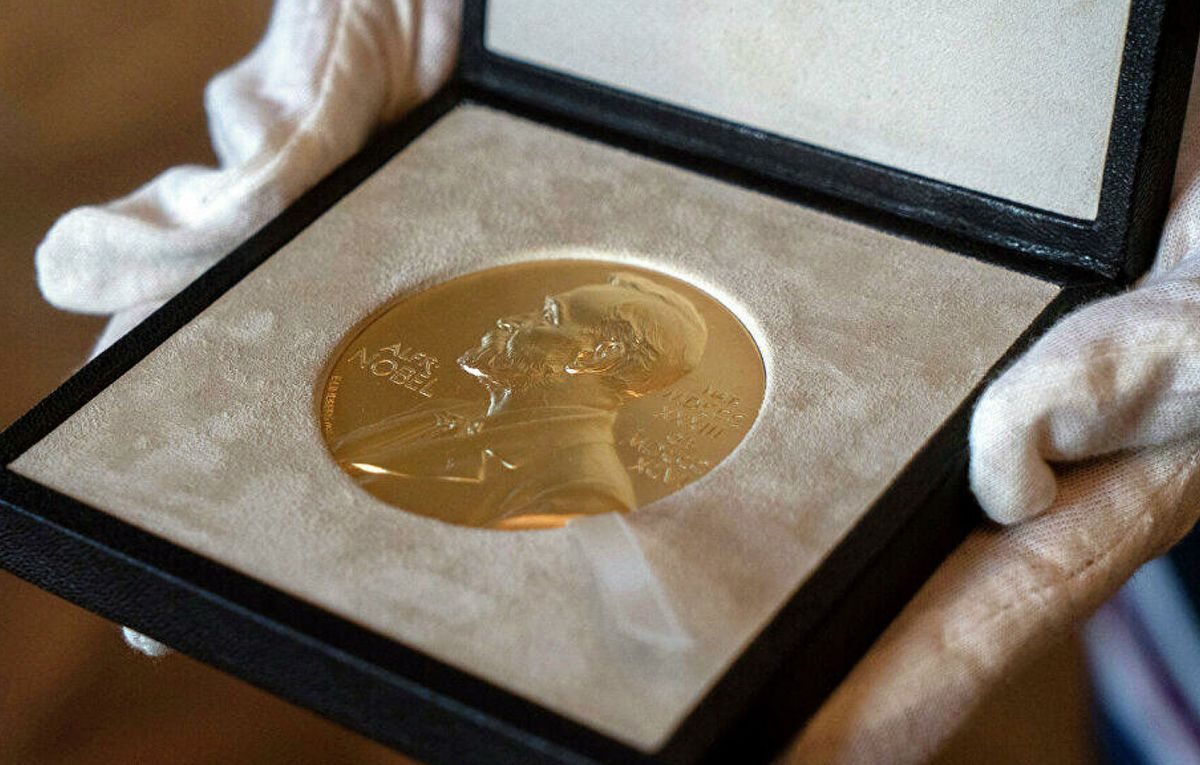
The prize has been awarded to the editor-in-chief of the Russian newspaper Novaya Gazeta and a Filipino journalist.
The 2021 Nobel Peace Prize has been awarded to Dmitry Muratov, editor-in-chief of the Russian newspaper Novaya Gazeta, and Maria Ressa, a Filipino journalist who heads the opposition website Rappler.
The journalists were honored for "their efforts to safeguard freedom of expression, which is a precondition for democracy and lasting peace."
In 2020, the Nobel Peace Prize went to the World Food Programme, the largest humanitarian organization fighting hunger.
Who Were the Main Contenders
There were many contenders for the Nobel Peace Prize: 329 candidates (234 individuals and 95 organizations). This is the third-highest number in the prize's history. Among the favorites were Greta Thunberg, Alexei Navalny and Svetlana Tikhanovskaya.
Another favorite was the World Health Organization. It was nominated by the global COVAX project, aimed at "ensuring rapid and equitable access to coronavirus vaccines for all countries, regardless of income level" through assistance in production and supply.
By the end of 2021, the COVAX project planned to deliver about 2 billion doses of various vaccines, more than half of them to 92 low-income countries. Next on the list of favorites was Reporters Without Borders.
The chances of Navalny, Tikhanovskaya and Thunberg were assessed as roughly equal. Tikhanovskaya was on the list of favorites "for her concrete role in the campaign for democracy in Belarus, and as the nominal leader of the pro-democracy movement in Belarus." Joe Biden, Angela Merkel and Bill Gates were also among the contenders.
However, not everyone agreed that the WHO could receive the award. There was an opinion that the WHO, which former US President Donald Trump accused of having too close ties with China, would not receive the prize, "since its role remains controversial." As for vaccines, there is the Nobel Prize in Physiology or Medicine for that.
Dan Smith
Director of the Stockholm International Peace Research InstitutePress freedom or an outstanding journalist (or both) could be good choices. But I would place climate change above this due to its relevance. I believe the most likely and highly desirable prospect is that the award goes to young climate activists (including Greta Thunberg, but only as one of many) from around the world.
Why the Prize Is Controversial
According to Alfred Nobel's will, the prize is awarded to the person or organization "who shall have done the most or the best work for fraternity between nations, for the abolition or reduction of standing armies and for the holding and promotion of peace congresses, or who has contributed to peace negotiations."
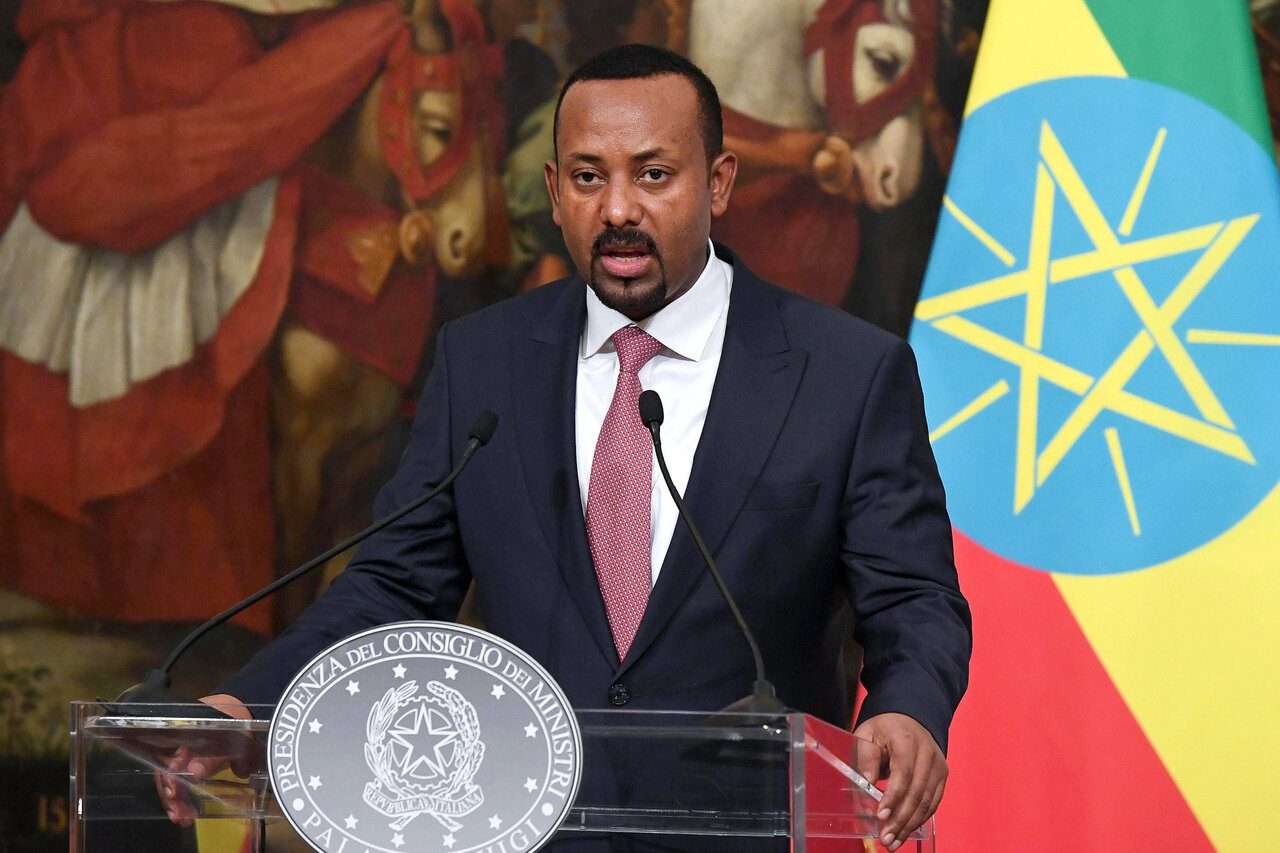
The prize itself and some of its laureates have repeatedly provoked controversy. For example, in 2018 the Nobel Peace Prize was awarded to Ethiopian Prime Minister Abiy Ahmed Ali for settling the conflict with neighboring Eritrea, but two years later a bloody conflict broke out in Ethiopia's Tigray region.
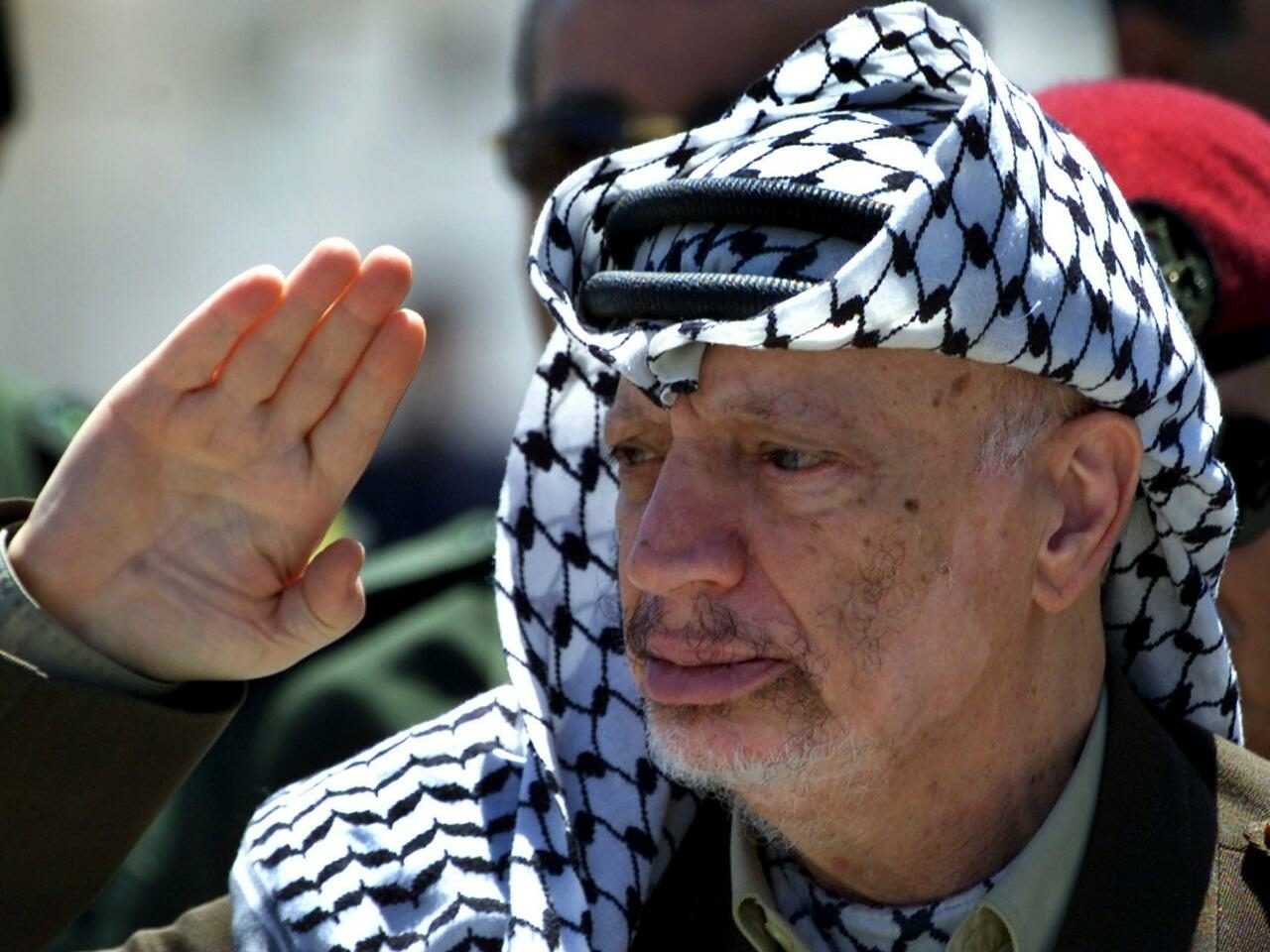
In 1994, Yasser Arafat, leader of the Palestine Liberation Organization, shared the prize with Israeli Prime Minister Yitzhak Rabin and Israeli Foreign Minister Shimon Peres. One member of the Norwegian Nobel Committee resigned in protest against the award to Arafat.
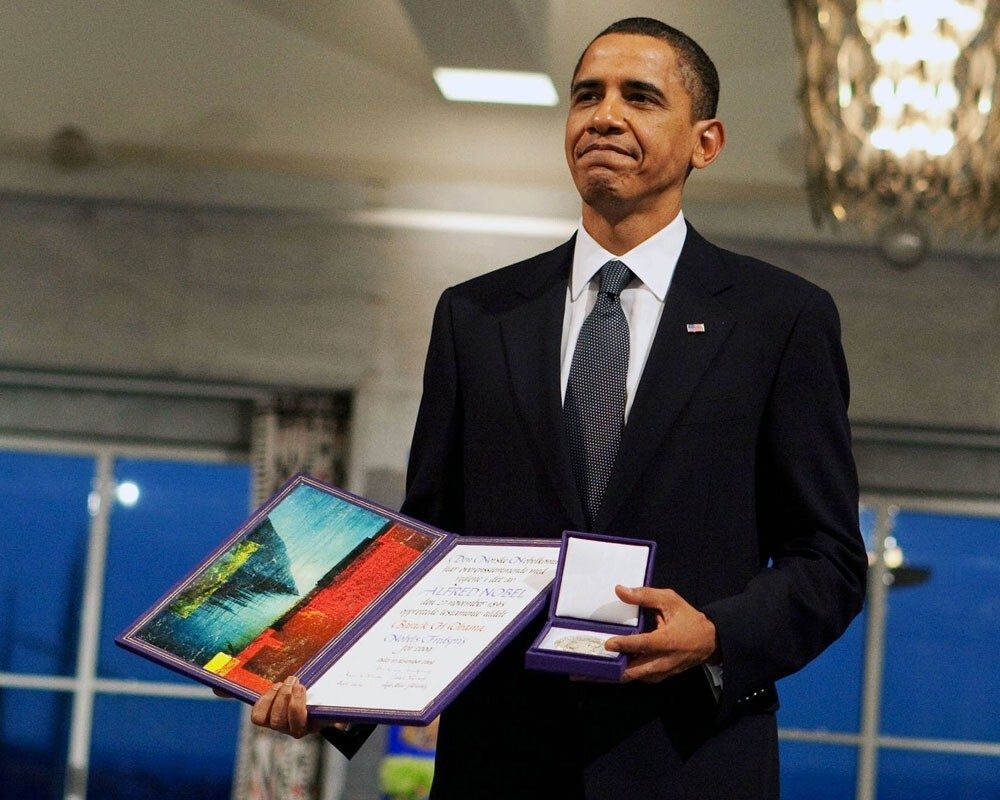
In 2009, Barack Obama, who had recently become President of the United States, won the Peace Prize. He was awarded it in advance, recognized for his "extraordinary efforts to strengthen international diplomacy and cooperation between peoples," rather than for concrete achievements.
One of the most controversial was the 1973 Peace Prize, awarded to US Secretary of State Henry Kissinger and North Vietnamese politician Le Duc Tho for reaching the Paris Peace Accords to end the war in Vietnam. The war ended only two years later, and Le Duc Tho declined the prize.

Russian Attacks in Dnipropetrovsk Region: Two Killed, Seven Injured

Defense Forces Strike Four Russian Drone Control Points in Past Day, Including in Berdiansk

Britain Threatens Sanctions on Kremlin-Linked People; Poland Ready to Hand Ukraine Ammunition

Russia says it has completed "planned exercises" in the Black Sea

MVD: Fake Riots With Prop Blood Were Being Prepared Near Presidential Office

Law Enforcers Name Another Klitschko Deputy as Suspect

Berlin Holds Protest Against War in Ukraine; EU Prepares for Possible Russian Halt of Gas Supplies
North Korea Fires Ballistic Missile Over Record Distance in Five Years
Irish Fishermen Force Russia to Postpone Naval Drills

US sanctions in case of invasion of Ukraine could completely destroy Russia's economy, NYT reports
