
Russian Parliamentary Elections: Does Smart Voting Work and Why There Will Be No International Observers
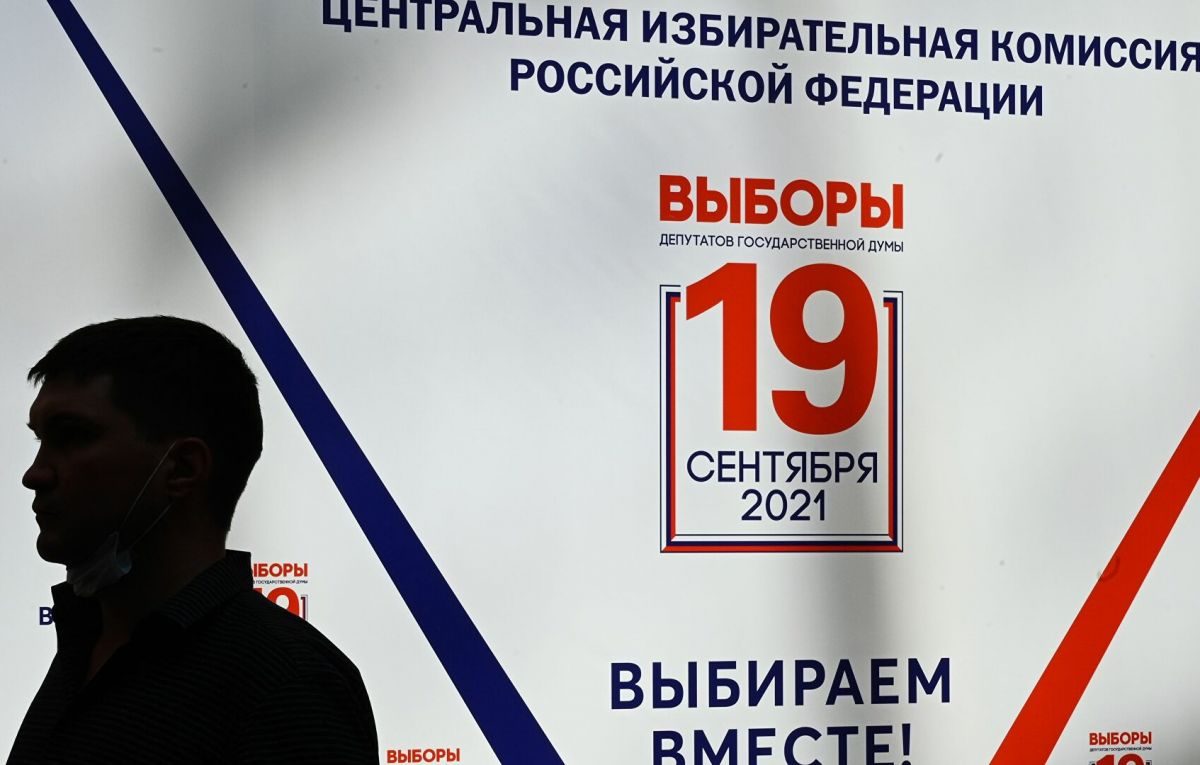
Voting will last three days, from September 17 to 19.
Elections to the State Duma have begun in Russia. Half of the 450 deputies will be elected from party lists, and the other 225 deputies from single-mandate constituencies. Voting will last three days, from September 17 to 19.
We explain what happened before the 2021 elections, what Smart Voting is, and whether it works.
The Authorities' Fight Against Smart Voting
Ahead of the elections, Roskomnadzor demanded that American corporations Apple, Google, Cloudflare and Cisco not provide the project of opposition politician Alexei Navalny, Smart Voting, with the ability to bypass blocks in Russia.
According to the agency, more than 10 foreign providers located in the United States, Ukraine, Germany, France, Japan, the United Kingdom and other countries provide the project with means of bypassing blocks.
Roskomnadzor said that failure to comply with the demands would be regarded as foreign interference in the upcoming elections. It also reminded of criminal liability for assisting the activities of an extremist organization.
It is worth noting that Roskomnadzor blocks in Russia Alexei Navalny's website and more than 40 other resources linked to the FBK (the Anti-Corruption Foundation, a non-profit organization that was declared an "extremist organization" and liquidated by court decision, and designated in Russia as a "foreign agent"), in particular the Smart Voting website and the Navalny app, which contains a Smart Voting feature.
A court banned Yandex and Google from displaying the phrase "smart voting" in search results as an interim measure to protect a trademark, in a lawsuit filed by a wool production company that registered an identically named trademark.
Yandex removed the site from search results after it was added to the register of banned websites.
In the evening of September 13, bailiffs came to the Moscow office of Google to force the removal of Smart Voting from search results. The media reported that during the bailiffs' visit, there was only one employee in the office: she called a lawyer, who told the bailiffs by phone that the office belonged to the Russian company Google LLC, while the court's claims concerned the American Google.
On September 15, Navalny's team published a list of candidates for the State Duma whom supporters of the politician were urged to vote for as part of Smart Voting. Already in the evening of September 16, the Smart Voting Telegram bot and website were hit by a powerful DDoS attack. About an hour and a half after the attack, representatives of Navalny's team said they had "managed to repel the attack."
Among other things, Apple and Google removed the Navalny app from the App Store and Google Play. Former FBK director Ivan Zhdanov published a letter from Apple stating that the reason for blocking the app was its connection with the FBK: "It is your responsibility to ensure the app complies with all local laws."
Kremlin spokesman Dmitry Peskov said the Kremlin welcomed the removal of the Navalny app. He described the corporations' actions as "fulfilling legal requirements."
Experts believe that the authorities' active fight against this project benefited the opposition, as it maximally spread information about it.
Smart Voting is a protest voting strategy for elections developed by the team of opposition figure Alexei Navalny. It suggests that everyone who does not want to vote for a pro-government candidate should vote for that candidate's strongest rival. The team itself identifies such a rival — as a rule, this is a representative of a party who came second in the given constituency in the previous elections.
How the Voting Will Work
According to opinion polls, all parties with factions in the seventh convocation of the Duma will pass the five-percent threshold: United Russia, the Communist Party, the LDPR and A Just Russia.
At present, the ruling United Russia party holds 336 of the 450 seats, but the party's level of support sharply declined in 2018 after the pension reform, which caused citizens' discontent. A total of 2,296 candidates were nominated in the 225 single-mandate constituencies.
The format of the elections may affect the outcome. In some regions of Russia, it will be possible to vote in an "electronic format." President Vladimir Putin has stated that "modern technologies guarantee the security and reliability of electronic voting," but critics have many complaints.
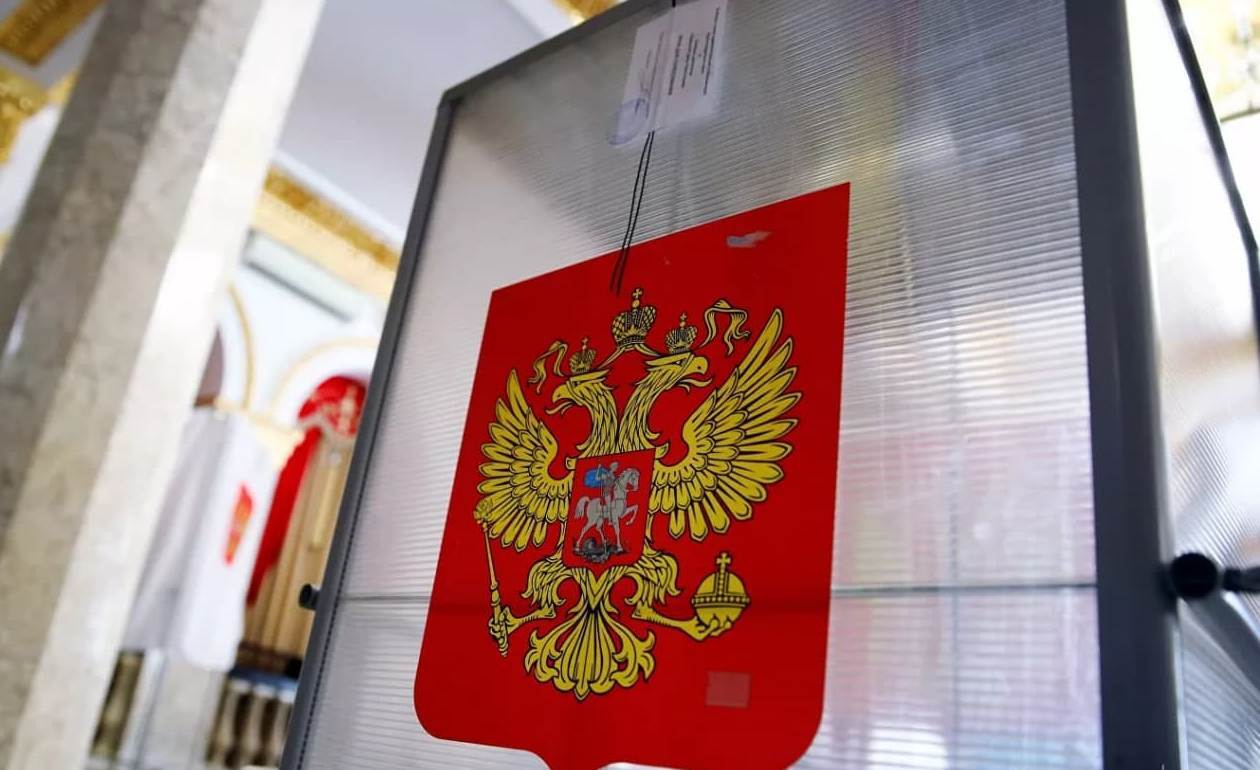
The news of the three-day voting format has also caused much dissatisfaction. Skeptics believe this makes offline election monitoring pointless, since observers will not be able to control ballot boxes and ballots for three days (day and night).
There will also be no international observers at the State Duma elections in Russia. The OSCE's Office for Democratic Institutions and Human Rights submitted an application to send a mission of 500 people to Russia. However, Moscow cited the coronavirus pandemic and reduced the observer quota to 50 people.
The OSCE stated that such a number is insufficient for effective election observation, so for the first time in recent years it will not observe the elections in Russia.
The European Parliament, in an adopted resolution, stated that the repression the Kremlin applies against its political opponents and the abuse of registration procedures "make it impossible to speak of honest parliamentary elections in September 2021." The resolution states that the EU should be ready not to recognize the Russian parliament.

Russian Attacks in Dnipropetrovsk Region: Two Killed, Seven Injured

Defense Forces Strike Four Russian Drone Control Points in Past Day, Including in Berdiansk

Britain Threatens Sanctions on Kremlin-Linked People; Poland Ready to Hand Ukraine Ammunition

Russia says it has completed "planned exercises" in the Black Sea

MVD: Fake Riots With Prop Blood Were Being Prepared Near Presidential Office

Law Enforcers Name Another Klitschko Deputy as Suspect

Berlin Holds Protest Against War in Ukraine; EU Prepares for Possible Russian Halt of Gas Supplies
North Korea Fires Ballistic Missile Over Record Distance in Five Years
Irish Fishermen Force Russia to Postpone Naval Drills

US sanctions in case of invasion of Ukraine could completely destroy Russia's economy, NYT reports
