
Serbia Puts Army on Combat Readiness Over Kosovo Conflict, NATO Calls for De-escalation
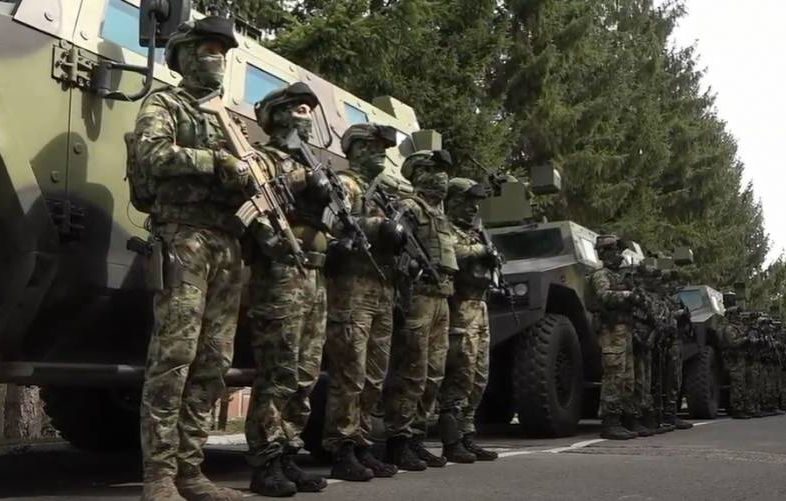
The conflict erupted after Kosovo began issuing its own license plates to cars with Serbian plates.
Serbia has put its army on combat readiness amid escalating conflict with the unrecognized state entity of Kosovo, while NATO is calling on the sides for immediate de-escalation.
Conflict over border blockade
Serbia has put its troops stationed near the border with Kosovo on heightened combat readiness due to tensions at the border.
For four days, local Serbs have been blockading two crossings between Kosovo and Serbia, Jarinje and Brnjak.
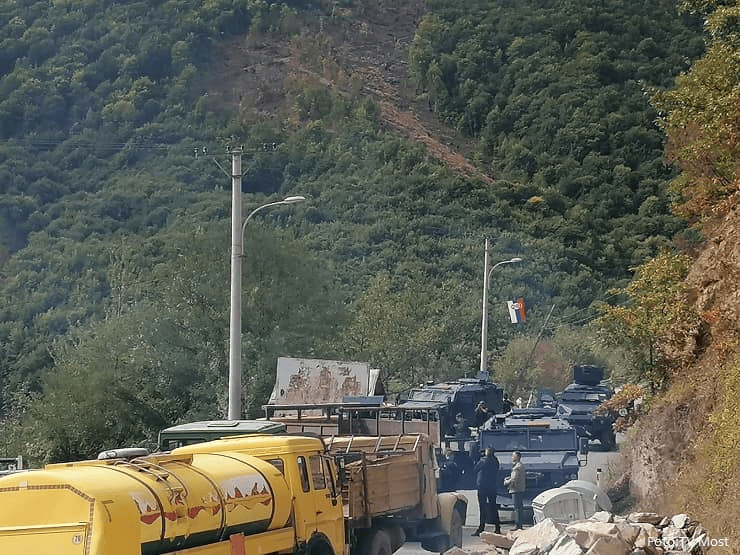
The blockade has been ongoing since September 20, when Kosovo's authorities began issuing temporary Republic of Kosovo license plates to cars with Serbian plates.
Kosovo special forces from the ROSA unit are present at the two blocked crossings, the situation is being monitored by personnel of the EU rule of law mission EULEX, and a KFOR helicopter is constantly flying over the checkpoints.
The issue of license plates is regulated by the Brussels Agreement on Freedom of Movement, reached several years ago within the dialogue between Kosovo and Serbia.
The agreement stipulated that all car owners residing in Kosovo must use Kosovo license plates instead of plates issued by Serbia's Ministry of Internal Affairs.
Kosovo's Ministry of Internal Affairs announced that from September 20 to September 22, it issued 6,375 temporary license plates at all border crossings and vehicle registration centers across Kosovo.
According to the Ministry of Internal Affairs, 24 temporary plates were issued on the roads leading to the Jarinje and Brnjak border crossings in northern Kosovo, which were blocked by local Serbs.
Kosovo Prime Minister Albin Kurti called on citizens of Serbia who gathered at the Jarinje and Brnjak border crossings to clear the blocked roads.
He also stressed that he is ready to meet with Serbian President Aleksandar Vucic if invited by the European Union, and that Kosovo is ready to lift reciprocal license plate measures if Belgrade wants to do the same for vehicles from Kosovo.
However, Vucic said that for negotiations to begin, the situation must return to what it was before September 20.
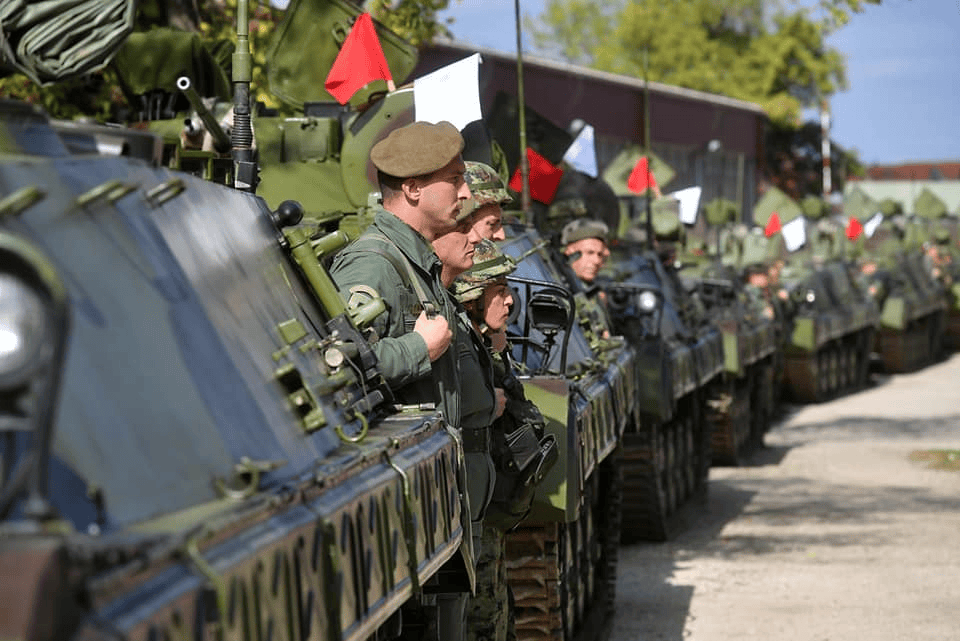
The day before, Serbia put troops stationed at bases near Kosovo on heightened combat readiness.
On September 23, Serbian Defense Minister Nebojsa Stefanovic visited military garrisons in Raska and Novi Pazar. He stressed that placing the army on combat readiness is a clear message that the pogrom of the Serbian people will not happen again.
NATO's reaction
The North Atlantic alliance called on Serbia and Kosovo to return to dialogue and reduce tensions over the situation at the border crossings, NATO Secretary General's spokesperson Oana Lungescu said.
Oana Lungescu
NATO Secretary General's spokespersonNATO calls for immediate de-escalation in northern Kosovo. We strongly urge Belgrade and Pristina to exercise restraint, avoid unilateral actions and return to dialogue.
Lungescu noted that the mandate of the NATO-led KFOR force remains to ensure safe and secure conditions and freedom of movement for all communities.
To recall, as a result of a protracted conflict, the Kosovo region separated from Serbia and declared independence in 2008. Kosovo has been recognized by more than 90 states, including the United States, Great Britain, France, and later by the International Court of Justice.
At the same time, about 70 countries have not recognized Kosovo. Some of them expressed concern about a dangerous precedent, as these countries either have separatist sentiments or have disputed or breakaway territories with the character of unrecognized state entities, such as Moldova with "Transnistria" or Georgia with "Abkhazia".
Only three countries, Ukraine, Greece and Cyprus, have not recognized Kosovo, citing the principles of international law and without changing their position even after the International Court of Justice ruling.

Russian Attacks in Dnipropetrovsk Region: Two Killed, Seven Injured

Defense Forces Strike Four Russian Drone Control Points in Past Day, Including in Berdiansk

Britain Threatens Sanctions on Kremlin-Linked People; Poland Ready to Hand Ukraine Ammunition

Russia says it has completed "planned exercises" in the Black Sea

MVD: Fake Riots With Prop Blood Were Being Prepared Near Presidential Office

Law Enforcers Name Another Klitschko Deputy as Suspect

Berlin Holds Protest Against War in Ukraine; EU Prepares for Possible Russian Halt of Gas Supplies
North Korea Fires Ballistic Missile Over Record Distance in Five Years
Irish Fishermen Force Russia to Postpone Naval Drills

US sanctions in case of invasion of Ukraine could completely destroy Russia's economy, NYT reports
