
“Son of Sam,” the “Atlanta Monster” and, of Course, Manson: On the Serial Killers of Mindhunter Season 2
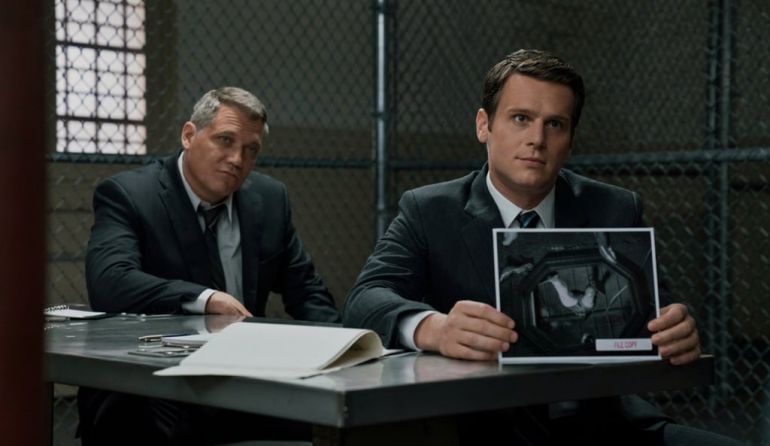
The cast is brilliant again.
Season 2 of Mindhunter (Netflix) premiered on Netflix on August 16 — the series was produced and partly directed by thriller master David Fincher.
Mindhunter is based on the nonfiction book by former FBI agent John Douglas and Mark Olshaker and tells the story of how the FBI’s behavioral unit took shape within law enforcement in the United States.
The series is set in the second half of the 1970s, when the FBI was only beginning to pay attention to criminal psychology and profiling. To investigate current cases, agents Holden Ford (Jonathan Groff) and Bill Tench (Holt McCallany) turn to captured serial killers for help.
While season 1 delighted detective fans with appearances by Ed Kemper, Jerry Brudos and Richard Speck, season 2 added other well-known names to the list of super-villains.
William Henry Hance
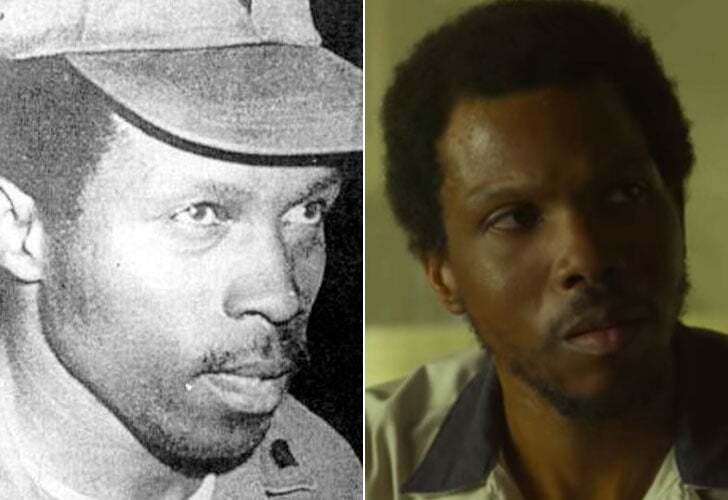
William Hance, who showed signs of intellectual disability as early as his school years, was sentenced to death on December 16, 1978, after being charged with the murder of four people. Hance’s victims were two women who served with him at Fort Benning military base and two prostitutes who worked at bars nearby.
During the investigation, Hance wrote letters to the Columbus police and local newspapers in an attempt to confuse the investigation. In them he used the pseudonym “Chairman of the Forces of Evil.”
In addition to using his original signature, Hance’s interest in Mindhunter is linked to the fact that one of his victims was white, although serial killers usually attack people of one race.
Despite his confession to the murders, Hance’s case still sparks controversy and debate because of the weak evidence base of the prosecution and possible racial discrimination — of the 12 jurors at trial, only one was Black.
On March 31, 1994, William Hance was executed in the electric chair.
David Berkowitz
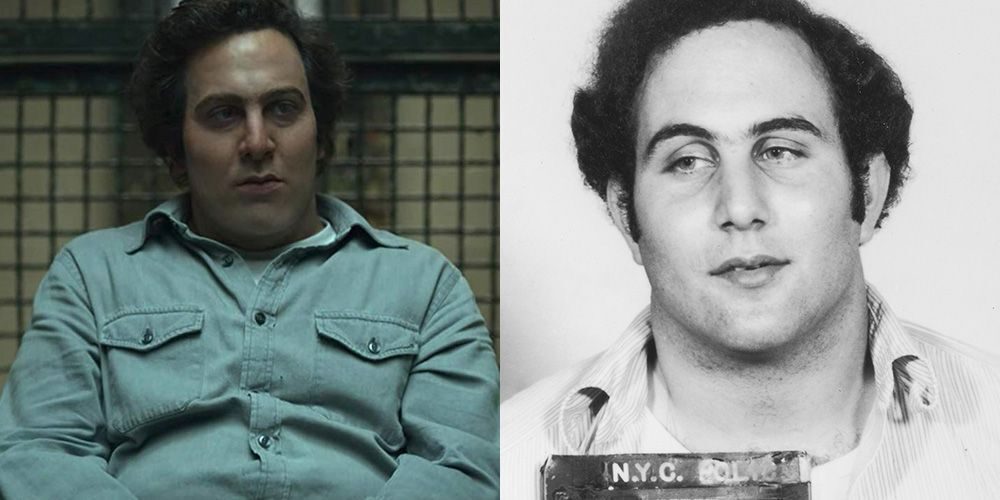
“Son of Sam,” as Berkowitz himself called himself, terrorized New York in the second half of the 1970s, when he killed six people and wounded seven other young people. Working as a postal worker, Berkowitz preferred to attack couples in cars, shooting at them with a revolver.
Berkowitz explained his attacks on people by saying that he received orders from a demon in the form of a dog belonging to neighbor Sam, which was allegedly named Harvey. Berkowitz was also remembered for taunting police during the investigation by sending them mocking letters.
After his arrest and the discovery of his diary, it became known that David was a pyromaniac — it turned out that he had set more than fifteen hundred fires in the city and masturbated while doing so.
The search for Berkowitz is called the largest manhunt in the history of the New York police. He was tracked down thanks to a car he parked at the scene of the murder of one of his victims. He was arrested as he left his own home carrying a gun in a paper bag.
“Son of Sam” confessed to all the murders and received 25 years in prison for each of them. Diagnosed with “paranoid schizophrenia,” he was sent to the Attica Correctional Facility.
Berkowitz is still serving his sentence and preaches Christianity. Recently he has undergone several operations due to heart problems.
Paul Bateson
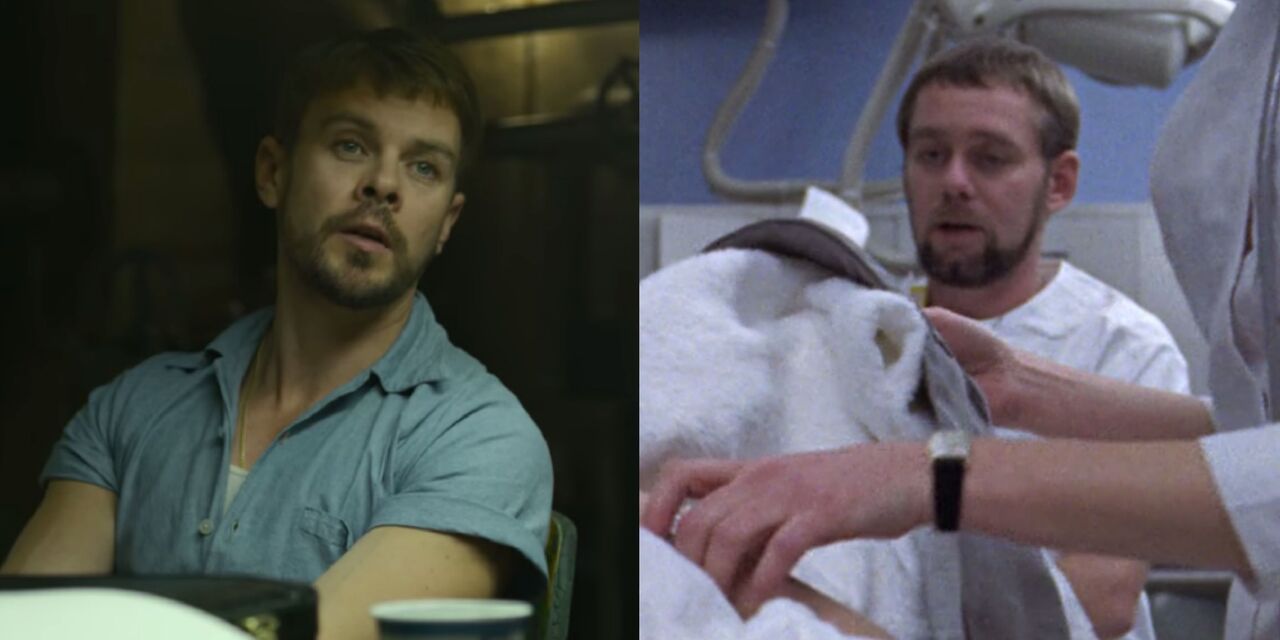
Bateson was convicted of only one murder, although he is still credited with seven victims. Paul confessed only to killing film journalist Addison Verrill, whom he met at a nightclub on September 4, 1977. After spending the night together, Bateson hit Verrill on the head with a frying pan and then stabbed him.
In the late 1970s, six men were dismembered in New York and dumped in plastic bags into the Hudson River. Later it became clear that all of them were gay. While awaiting sentencing, Bateson bragged to his cellmates about how he had dumped the bodies into the river “for fun,” but the prosecution failed to prove his involvement in these murders.
One day after his 63rd birthday, having served just over 24 years, Bateson was released on parole. There is no precise information about him, but a person with the same name and Social Security number died in Pennsylvania in September 2012.
Bateson is also notable because three years before the serial killer’s attacks in New York, he appeared as an extra in “The Exorcist,” the cult horror film by William Friedkin.
Elmer Wayne Henley
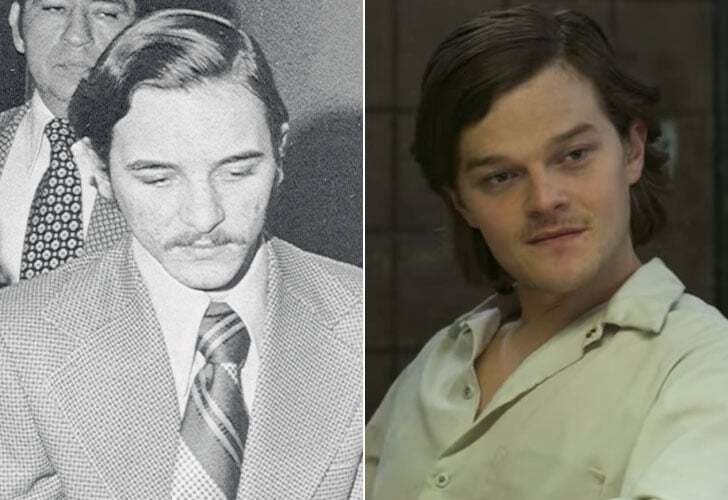
Henley was only 17 when he killed seven people and took part in several dozen abductions as an accomplice of another serial killer, Dean Corll. Henley invited teenagers, including his own friends, to Corll’s house, where they were plied with alcohol and drugs, then raped, tortured and eventually murdered.
On August 8, 1973, Henley brought 19-year-old Timothy Kerley and 15-year-old Ronda Williams to Corll. The girl’s arrival angered Corll, and during the conflict Henley shot his accomplice, who had said that Elmer did not have the nerve to pull the trigger. After that, Henley released Williams and Kerley and called the police.
On July 16, 1974, Henley was found guilty of six murders (the shooting of Corll was ruled self-defense) and sentenced to a total of 594 years. He is currently serving his sentence in the Mark Michael Unit prison (Texas).
Charles Manson
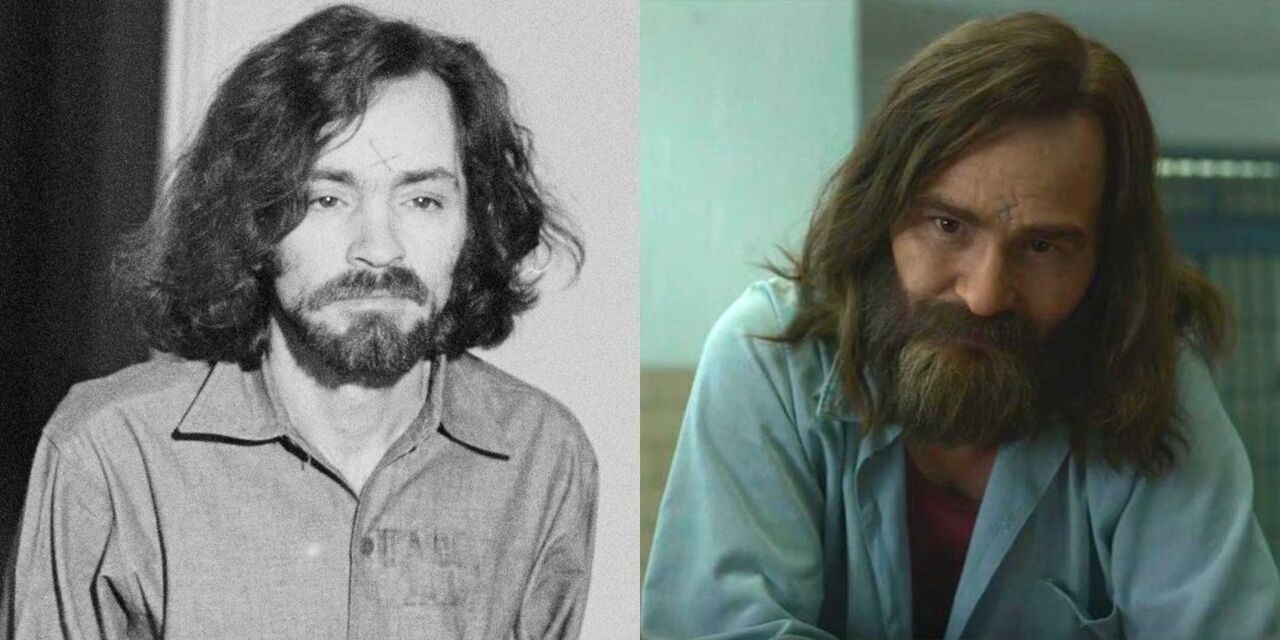
Manson — one of the world’s most famous serial killers, whose story is now in high demand in the film industry, given the release of “Once Upon a Time in Hollywood” by Tarantino.
In 1969, Manson and his followers, who were also called his “Family,” murdered nine people, among them Sharon Tate, the wife of film director Roman Polanski, who was in the ninth month of pregnancy at the time.
After a lengthy trial, seven members of the “Family” were sentenced to death in the gas chamber, but in 1972, because the death penalty was abolished in the state of California, the sentence was changed to life imprisonment.
Charles Manson died on November 19, 2017, at the age of 84, after suffering a heart attack.
William “Junior” Pierce
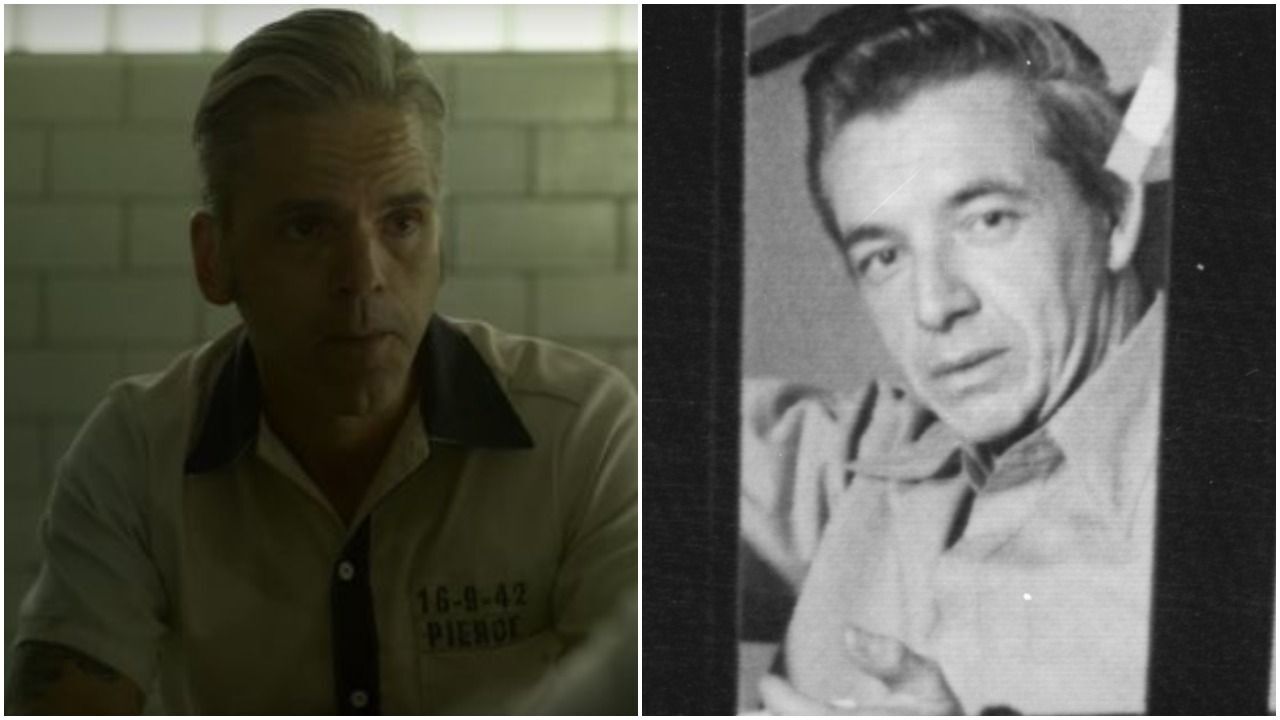
William Pierce was in prison even before committing his most significant crimes, but in 1970, while serving a sentence for robbery, Pierce was released on parole. He then murdered nine people, including the 13-year-old daughter of South Carolina state senator James Cuttino.
After his arrest in March 1971, Junior confessed to the murders and was sentenced to life imprisonment. Six years later, Pierce tried to overturn the verdict, insisting that he had not been informed of his rights at the time of his confession.
Pierce’s distinguishing features were a low IQ (below 70) and a fondness for sweets, which, among other things, Mindhunter emphasizes.
Junior is now 88 and is still serving his sentence in a correctional facility in Georgia.
Wayne Williams
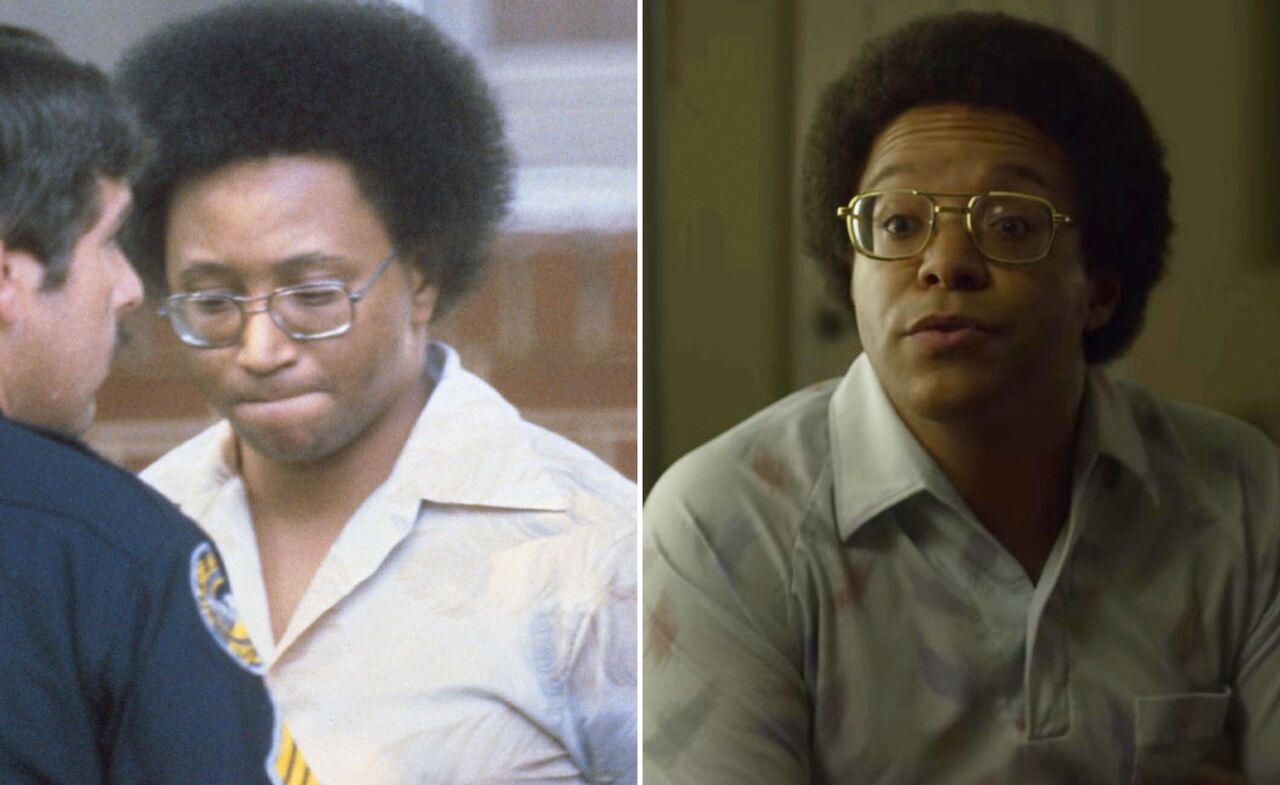
Wayne Williams is considered to be the “Atlanta monster” behind the murders of at least 23 Black children and teenagers between 1979 and 1981. Williams allegedly gained their trust by presenting himself as a music producer looking for talent.
President Ronald Reagan allocated more than $1.5 million from the budget to investigate this case, but for a long time the search for the killer was stuck. Williams first came to the attention of police only in May 1981, when the number of victims exceeded two dozen.
Despite many inconsistencies during the trial, in February 1982 the jury, unable to find the necessary evidence of Williams’s involvement in the murders of children, returned a verdict of guilty for Wayne only in the deaths of Jimmy Payne and Nathaniel Cater.
Williams later repeatedly tried to have the case reviewed and a new trial held, but was refused each time. However, in March of this year, Atlanta Mayor Keisha Lance Bottoms, together with police chief Erika Shields, announced a re-examination of the crime “to give comfort to the families who have long sought answers about the killer of their children.”
Vasily Obaraz

Russian Attacks in Dnipropetrovsk Region: Two Killed, Seven Injured

Defense Forces Strike Four Russian Drone Control Points in Past Day, Including in Berdiansk

Britain Threatens Sanctions on Kremlin-Linked People; Poland Ready to Hand Ukraine Ammunition

Russia says it has completed "planned exercises" in the Black Sea

MVD: Fake Riots With Prop Blood Were Being Prepared Near Presidential Office

Law Enforcers Name Another Klitschko Deputy as Suspect

Berlin Holds Protest Against War in Ukraine; EU Prepares for Possible Russian Halt of Gas Supplies
North Korea Fires Ballistic Missile Over Record Distance in Five Years
Irish Fishermen Force Russia to Postpone Naval Drills

US sanctions in case of invasion of Ukraine could completely destroy Russia's economy, NYT reports
