
US and Britain Consider Boycotting Beijing Olympics
Such a decision is being considered in protest against China's actions in the field of human rights.
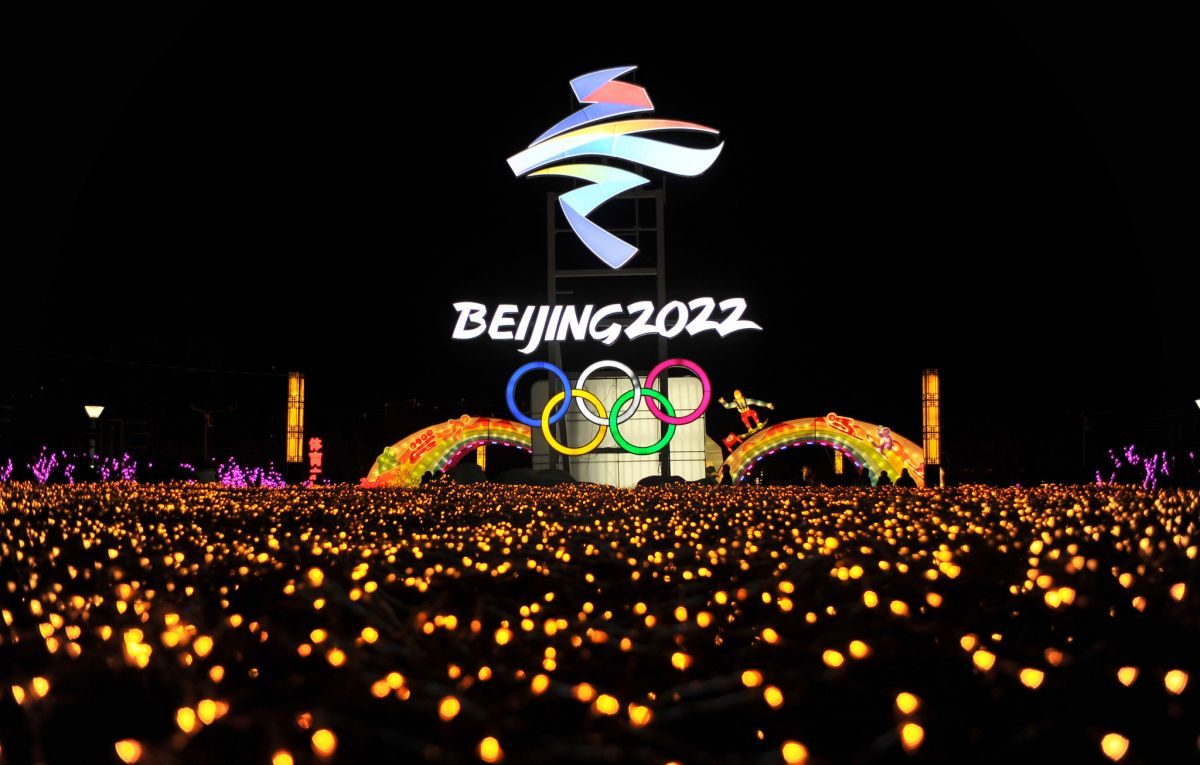
The US and Britain are considering a diplomatic boycott of the 2022 Beijing Winter Olympics due to the actions of Chinese authorities in the field of human rights.
This primarily concerns the admission of athletes from these countries to the competitions, although official representatives may not attend the Games.
US Position
On Thursday, November 18, US President Joe Biden told reporters about the possible introduction of a diplomatic boycott of the Beijing Winter Olympics in protest against human rights violations.
"We are considering such an option," Biden stressed at a White House briefing, answering a relevant question. It is implied that American athletes will be allowed to take part in the Games.
A diplomatic boycott would mean that US officials will not attend the opening of the Beijing Winter Olympics in February.
Chinese Foreign Ministry spokesperson Zhao Lijian, commenting on Biden's statement, said that "politicizing sports runs counter to the Olympic spirit and harms the interests of athletes from all countries."
British Position
The British government is also discussing the possibility of a diplomatic boycott. This was reported on Saturday, November 20, by The Times.
According to the publication, various options are being considered within the government, but Prime Minister Boris Johnson is leaning toward announcing the same diplomatic boycott of the Games that the US is considering.
The most categorical stance on this issue is taken by British Foreign Secretary Liz Truss: she accuses Chinese authorities of "genocide of the population," implying the brutal persecution of the Uyghur people in China.
Tensions Between Beijing and Washington
Relations between the US and China have recently worsened over Taiwan. China considers Taiwan a rebellious province that must, if necessary, be "reunified" with the PRC by military means.
US authorities, in turn, until recently expressed active support for the Taiwanese administration.
However, on November 16, President Joe Biden, in talks with Chinese leader Xi Jinping, announced that Washington adheres to the "One China" policy and opposes Taiwan's independence.
In addition, tensions in US-China relations are growing due to trade disputes, the human rights situation in China, and Beijing's attitude toward Hong Kong.

Russian Attacks in Dnipropetrovsk Region: Two Killed, Seven Injured

Defense Forces Strike Four Russian Drone Control Points in Past Day, Including in Berdiansk

Britain Threatens Sanctions on Kremlin-Linked People; Poland Ready to Hand Ukraine Ammunition

Russia says it has completed "planned exercises" in the Black Sea

MVD: Fake Riots With Prop Blood Were Being Prepared Near Presidential Office

Law Enforcers Name Another Klitschko Deputy as Suspect

Berlin Holds Protest Against War in Ukraine; EU Prepares for Possible Russian Halt of Gas Supplies
North Korea Fires Ballistic Missile Over Record Distance in Five Years
Irish Fishermen Force Russia to Postpone Naval Drills

US sanctions in case of invasion of Ukraine could completely destroy Russia's economy, NYT reports
