
Liberal Mayor of Warsaw Versus Anti-LGBT Ideology Hater: What Is Happening in Poland's Presidential Election
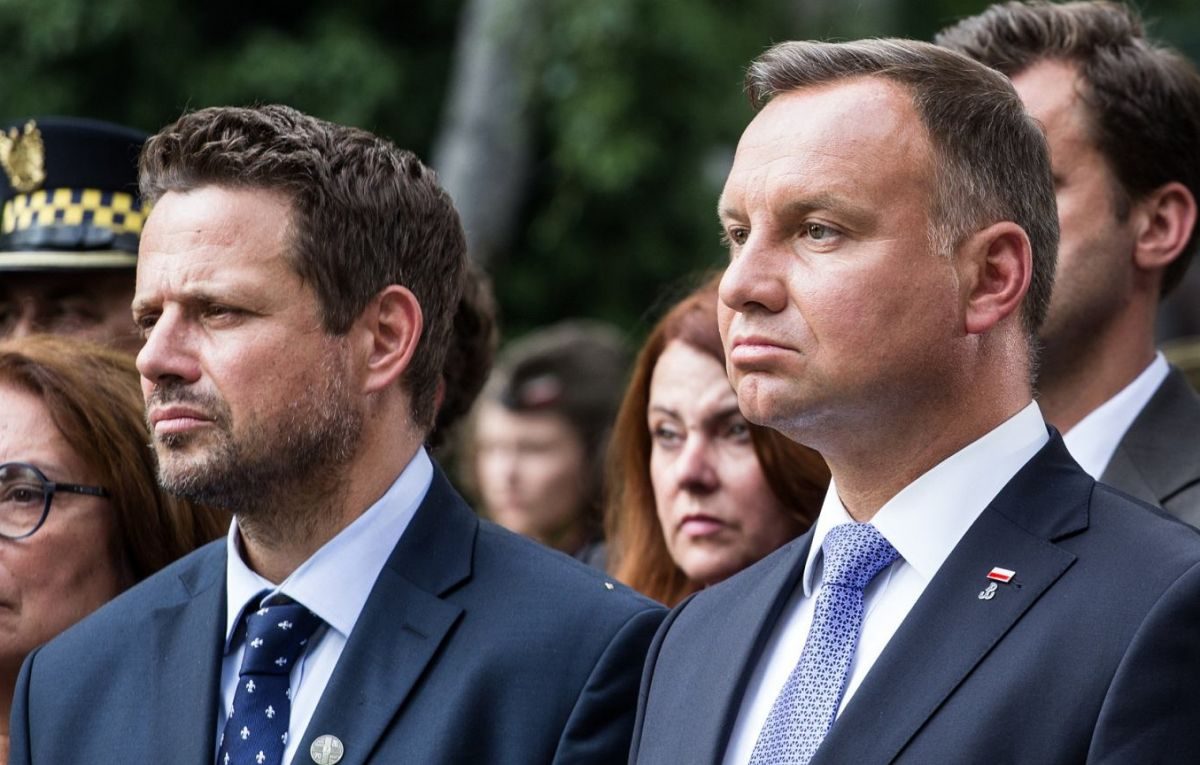
Poland will elect a new head of state this summer.
On Sunday, June 28, Poland held the first round of its presidential election. Although incumbent head of state Andrzej Duda was seen as the clear favorite, he failed to win in the first round and automatically extend his powers — the conservative received less than half of the votes (43.5%), and now faces a second round and a potentially very tense fight against Warsaw Mayor Rafał Trzaskowski, who took second place with 30.46% of the vote.
Although Duda, backed by the ruling party Law and Justice, remains confident of victory in the second round ("I achieved this result after 5 years in politics, when I was criticized and attacked for making difficult decisions, — said the current leader of Poland. — And after these five years, even more people voted for me"), a very tense contest with an unpredictable outcome is expected between him and Trzaskowski, who represents the main opposition party, Civic Platform, on July 12. The second round appears unpredictable for several reasons.
Where the votes cast for other candidates will go
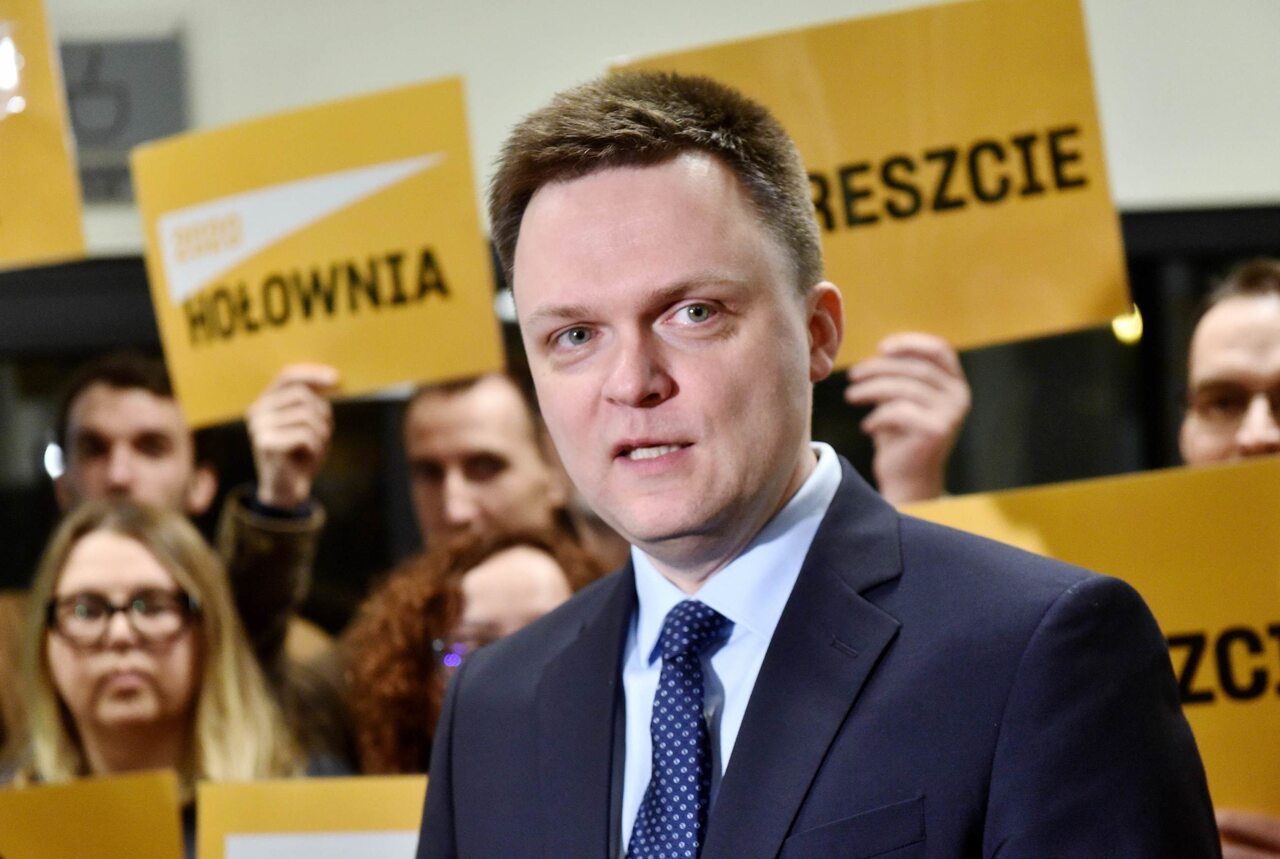
The main intrigue is where the votes won in the first round by independent candidate Szymon Hołownia will go. The TV presenter and journalist, who once studied to become a priest, was supported by about 14% of voters, and his electorate may now play a key role in the second round.
Hołownia reportedly plans to publicly announce his position on the two contenders for head of state before Wednesday, and his stance is especially interesting, since he has previously been critical of both Duda and the ruling party, as well as of Trzaskowski and Civic Platform.
While the question of Hołownia's voters remains open, the situation regarding the other candidates in the top five is more or less clear. On Sunday, addressing his supporters, the conservative Duda cast a line in hopes of winning the support of the far right and admitted that his views are not much different from those of nationalist candidate Krzysztof Bosak (fourth place in the first round with 6.78% of the vote).
As for centrist Trzaskowski, he is counting, in addition to those who voted for Hołownia, on voters who preferred left-wing candidate Robert Biedroń. Biedroń, the first openly gay politician in Poland, placed fifth in the first round with 2.21% of the vote.
Foreign support
The current Polish government has serious support in the West in the person of US President Donald Trump — Andrzej Duda was the first foreign leader to lead a delegation to the White House after the COVID-19 pandemic began.
The American leader continues to back non-liberal nationalists in Central Europe and, following Hungary, has begun to work closely with the current Polish government. In return for its support (including military support), Trump plans to strengthen NATO's eastern flank as a counterweight to Russian aggression and station 2,000 American troops on Polish territory.
Trump's views, however, do not align with those of Europe, which supports Trzaskowski. The European Union is very dissatisfied with the judicial reform carried out in Poland (under a law taking effect July 3, the president will be able to independently dismiss or extend the mandates of Supreme Court members), and the country is even threatened with the loss of subsidies and voting rights in the EU Council.
Europe is also troubled by Duda's homophobic ("LGBT ideology is more harmful to people than communism") and antisemitic rhetoric, as well as the restrictions on the freedom of independent media in the country. Meanwhile, state television does nothing but praise the current government and destroy the opposition.
For example, according to Press.pl, which monitors Polish media outlets, on the state channel TVP between June 3 and June 16, almost 97% of stories about Duda were positive, while 87% of stories about Trzaskowski were negative.
Polarization of society
In the coming weeks, Poland will almost certainly see voters continue to divide into two large camps, in conditions where it is not only about supporting one's own candidate but also about rejecting the opponent.
Duda, who advocates traditional family values, religion and patriotism, has serious support among older people (more than half of those who voted for him are over 50), while Trzaskowski, with his pro-European liberal views, is very popular among young people.
Experts say the competition in the second round will be based largely on symbols and values, and the confrontation between these symbols is only growing stronger every day.
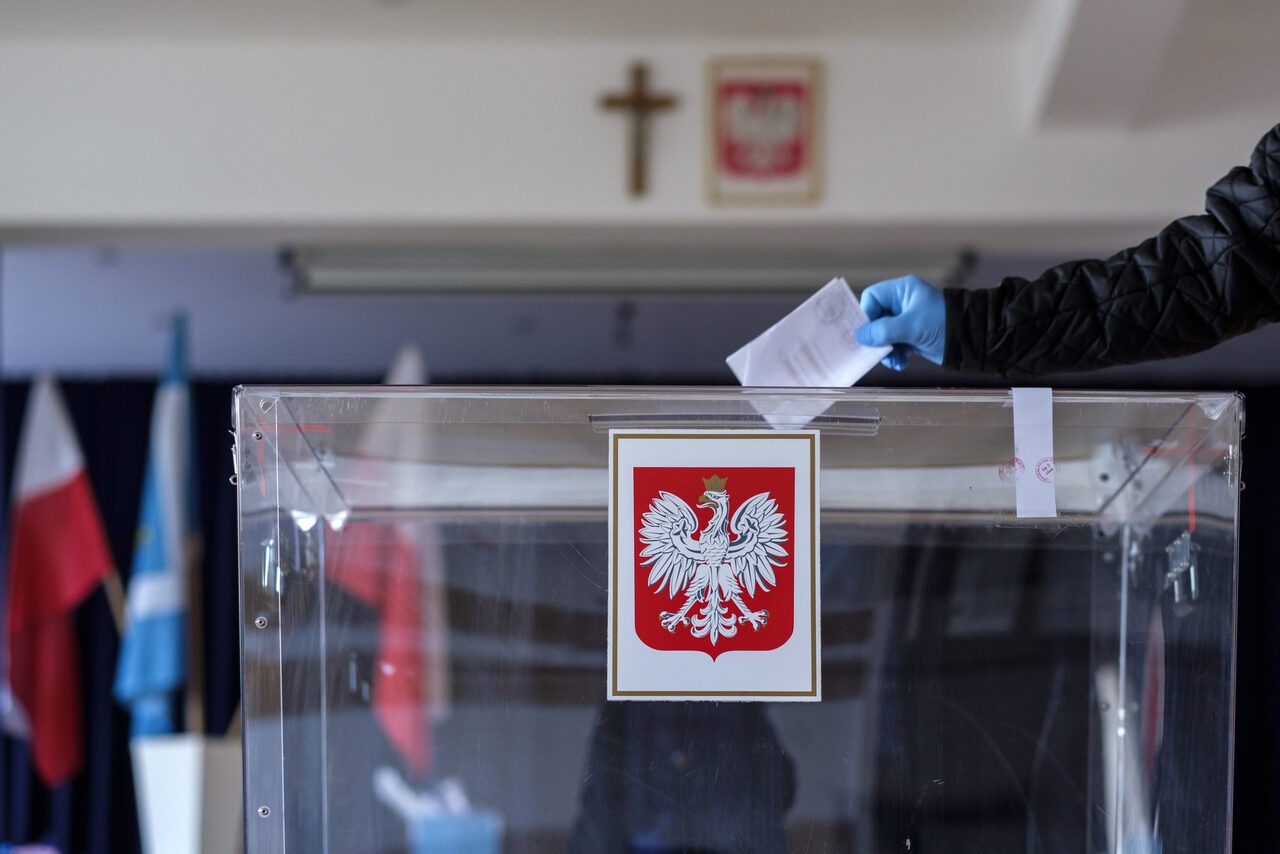
In the first round, voter turnout was 62.4%, the highest figure for a presidential election in the last 20 years. This suggests that Poles are becoming more active in political life, and to some extent it increases Trzaskowski's chances of winning: young people are more actively involved in deciding the country's course and, with a democratic mindset, are ready to fight against the domination of "PiS" in government.
Duda has significantly boosted his standing thanks to the government's generous social policy (for example, the "Family 500+" program, under which every second and subsequent child receives 500 zlotys per month from the state until the age of 18), but he has also made quite a few mistakes — such as the unfulfilled housing construction program or state aid in the agricultural sector.
Interestingly, Trzaskowski intends to keep the popular social welfare programs if he wins, adding to them the restoration of constitutional norms and improved relations with the EU. But he also has pain points — such as his overly close ties with European politicians in general and German ones in particular, or excessive liberalism (for example, his readiness to become the person who registers the first same-sex marriage in Poland).
While he is more popular than Duda in Warsaw and in the western regions, in the rest of Poland the capital's mayor is not particularly liked precisely because of his "Warsaw-ness — being detached from the realities of working-class life.
The limited powers of the president
The Polish president has relatively few legislative powers, but the choice of the country's leader in mid-July is indeed causing considerable excitement in society. The country is unlikely to "roll back to medieval times," as claimed by Lech Wałęsa, president of Poland in 1990-1995 and Nobel Peace Prize laureate, should Duda continue in office; however, the recession in the economy linked to the pandemic makes the position of the incumbent head of state quite shaky. And the president's ability to veto any law passed by parliament only increases Trzaskowski's chances in the fight against the ruling party.
If on May 10, when the election was supposed to take place, the Trzaskowski candidacy was still unknown (Civic Platform initially nominated Deputy Speaker of the Sejm Małgorzata Kidawa-Błońska against Duda, but after the failure of the election campaign and the postponement of the vote, the opposition leader was replaced), then two weeks later, according to forecasts, the gap between the two front-runners will fluctuate within 1-2%. It will certainly be heated.
Vasily Obaraz, TK Media

Russian Attacks in Dnipropetrovsk Region: Two Killed, Seven Injured

Defense Forces Strike Four Russian Drone Control Points in Past Day, Including in Berdiansk

Britain Threatens Sanctions on Kremlin-Linked People; Poland Ready to Hand Ukraine Ammunition

Russia says it has completed "planned exercises" in the Black Sea

MVD: Fake Riots With Prop Blood Were Being Prepared Near Presidential Office

Law Enforcers Name Another Klitschko Deputy as Suspect

Berlin Holds Protest Against War in Ukraine; EU Prepares for Possible Russian Halt of Gas Supplies
North Korea Fires Ballistic Missile Over Record Distance in Five Years
Irish Fishermen Force Russia to Postpone Naval Drills

US sanctions in case of invasion of Ukraine could completely destroy Russia's economy, NYT reports
