
More Than a Hundred Pollutants: Dnipro May Turn into a Desert in 300 Years, State Environmental Inspection Warns
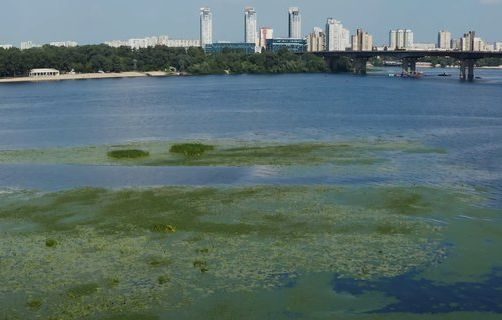
Besides pollutants, excess levels of nitrates, iron, nitrites, phosphates, sulfates and other substances were found in the water.
During a press conference on the results of 2021, specialists from the State Environmental Inspection raised problematic issues of water resource protection. Studies of water samples from the Dnipro confirmed, and in some places even strengthened, the worst forecasts of scientists regarding the future of Ukraine's main waterway.
On the Road to Catastrophe
Thus, during control measures carried out in 2021, the State Environmental Inspection of the Capital District repeatedly detected in the Dnipro excess permissible concentrations of nitrates, iron, ammonium nitrogen, nitrites, phosphates, sulfates, COD, BOD and chlorides.
According to forecasts by scientists of the National Academy of Sciences of Ukraine, the Dnipro may turn into a desert within the next 300 years.
Every day, due to violations of environmental legislation, damage amounting to 115 thousand hryvnias was caused to the region's water bodies.
The largest polluter of the Dnipro is Kyivvodokanal Private Joint-Stock Company. Each year, the enterprise discharges about 300 million cubic meters of return water into its basin, a large volume of which contains high concentrations of pollutants.
As a result of inspections of Kyivvodokanal during 2021, the State Environmental Inspection calculated damages of 25 million 578 thousand hryvnias, which amounts to about 35 thousand hryvnias per day.
The State Environmental Inspection cites algae blooms, fish kills and shallowing as consequences of these violations.
Proposed Measures
To prevent catastrophe, a number of changes to environmental legislation are needed.
First, tougher penalties for water pollution. At present they amount to 85-136 hryvnias for officials, which is trifling compared with the harm caused to the environment, the inspection said.
The inspection, together with representatives of the Ministry of Environmental Protection and Natural Resources, has drafted a bill to increase fines for pollution of water bodies, with sanctions to rise 15-fold.
The second proposal is reform of environmental control through adoption of bill No. 3091. It raises fines for denying inspectors access for inspection to almost 2 million hryvnias.
As a result, it will be more profitable for enterprises to invest in modernization than to deny inspectors access. In addition, the document cancels the court fee for the inspection, which will allow the inspection to recover from violators all damages they have caused.
Third, establishing a comprehensive water resource control system that will include, among other things, state monitoring. The State Environmental Inspection already has relevant initiatives: last year satellite monitoring was launched to identify environmental violations.
It is reported that next year the State Environmental Inspection will continue large-scale inspections of water users, "so that not a single violation goes without responsibility and sanctions".

Russian Attacks in Dnipropetrovsk Region: Two Killed, Seven Injured

Defense Forces Strike Four Russian Drone Control Points in Past Day, Including in Berdiansk

Britain Threatens Sanctions on Kremlin-Linked People; Poland Ready to Hand Ukraine Ammunition

Russia says it has completed "planned exercises" in the Black Sea

MVD: Fake Riots With Prop Blood Were Being Prepared Near Presidential Office

Law Enforcers Name Another Klitschko Deputy as Suspect

Berlin Holds Protest Against War in Ukraine; EU Prepares for Possible Russian Halt of Gas Supplies
North Korea Fires Ballistic Missile Over Record Distance in Five Years
Irish Fishermen Force Russia to Postpone Naval Drills

US sanctions in case of invasion of Ukraine could completely destroy Russia's economy, NYT reports
