
Dynamo Against Barcelona: Endure and Develop Youth
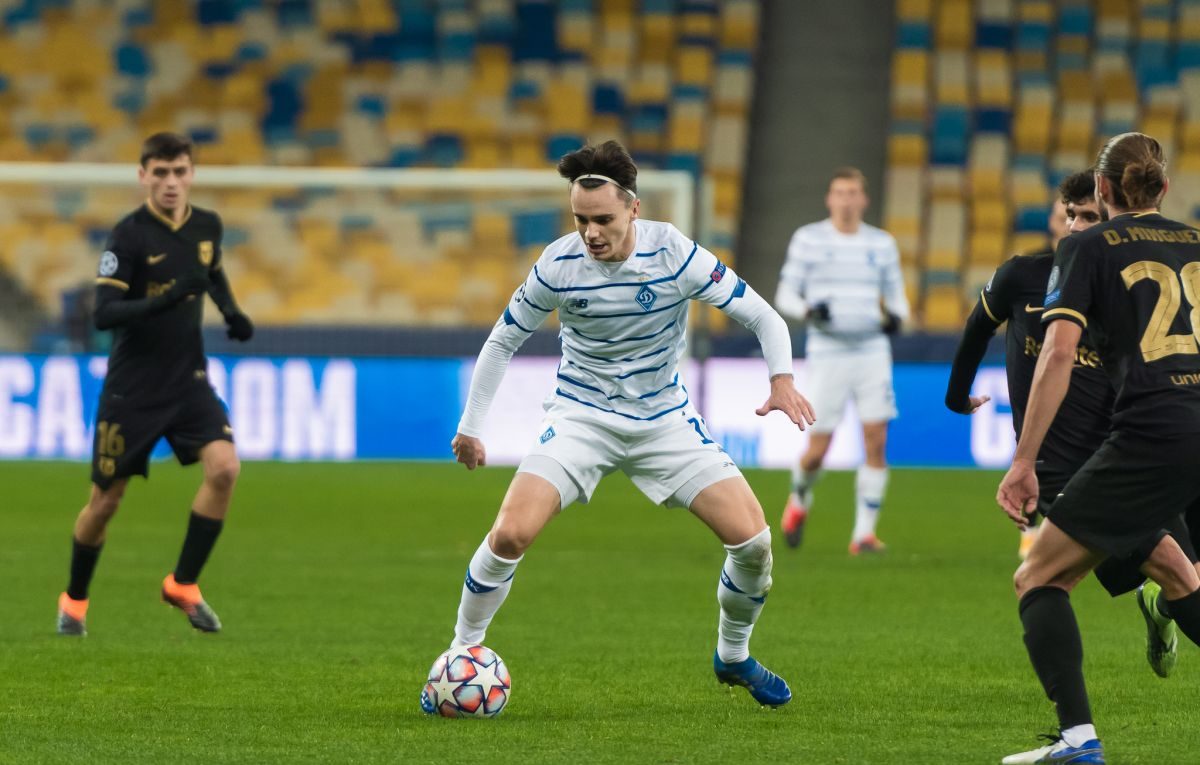
If Barça is still Barça, then in Dynamo's status, if you haven't noticed, something has changed.
Having lost last night at the Olympic Stadium to Barcelona, Dynamo definitively lost its chances of reaching the Champions League playoffs. With the Catalans, though somewhat in crisis, and Juventus as opponents, the early shift of focus to the battle for third place was no sensation. But overall, if you look at the public reaction from the outside, a bitter aftertaste remained.
Inflated expectations? Of course. Just listen to the pre-match conversations — especially after the starting lineups were announced, when it became clear that there were not many names in Barça's starting XI associated with the club's victories. Neither Messi, nor Alba with Busquets, nor even Griezmann with Dembélé. Here it is — the chance to grab points and gain an advantage over Ferencváros.
Somehow, subconsciously, the fact was brushed aside that Barça is now going through a period of rebuilding, and Ronald Koeman is only deciding who will form the backbone of the new Barcelona. So there was no shortage of desire to prove themselves among the young players and footballers with uncertain status in the Catalan side. And as for skill, they are always in order — La Masia still functions and still produces great talents for the first team, and in the transfer market tens and hundreds of millions are still being spent.
And if Barcelona's squad was more than battle-ready, Dynamo, on the contrary, had half the team temporarily sidelined by the COVID-19 pandemic raging across the country. The strength of this team, given the squad crisis, is shown at least by the fact that almost immediately after returning from his loan spell, the best player in it is Denys Garmash — a footballer of great talent, though one who seemed written off after leaving for the Turkish league.
Mircea Lucescu also understood that his team was not ready to face Barça — from the first minutes Dynamo, as respected football people often say, had to “endure”: it closed up inside its own penalty area (if we say “low block” — does it sound cooler?) and hoped to break out on the counterattack through a successful pass into the opponent's half. Having given up the ball and abandoned pressing beyond the 30-metre mark from its own goal, Dynamo was quite in the game for 52 minutes and could count on some points, but it really was a match only until the first goal conceded.
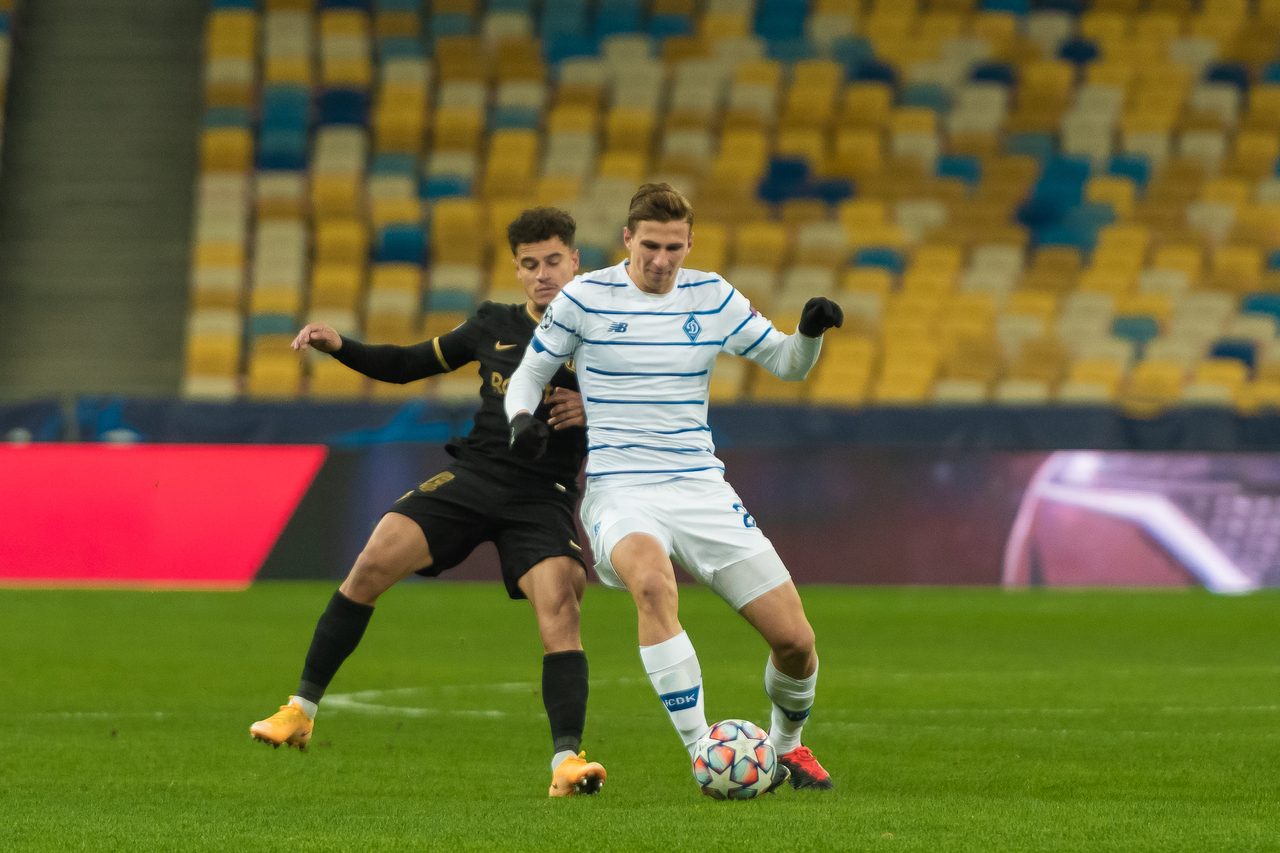
Ultimately Dynamo, of course, overdid it with the conceding, but as far as the game goes, there are few complaints about the team. It is only a shame that they did not hold up psychologically under the pressure after Sergiño Dest's goal and gave up. First of all, the young players: against the backdrop of the first half, in which Mykolenko, Zabarnyi and Shaparenko showed very decent game discipline, in the second half they, together with Popov who came on as a substitute, let in an indecent number of goals.
But for a club like Dynamo, a club that no longer buys and not yet selling, such a defeat — is normal. You simply have to come to terms with the fact that the battle with Ferencváros for a spot in the Europa League in spring and with the rebuilding Shakhtar in the Ukrainian Premier League — at the moment this is the maximum Dynamo is capable of. If someone wants more, then the next specific step in this team's development requires reinforcements. And that is exactly what should not be expected in winter — serious purchases in the winter transfer window are not planned for Dynamo.
So the only way out — is developing youth, who, though too quickly starting to compare themselves to Sergio Ramos-type players and scaring off Bologna with their price tags, have an excellent chance to grow. And here Dynamo's management found a coach suited to them, because with all caveats, Mircea Lucescu — is still a good specialist who can build a game matching the team's level and unlock talented players.
Shaparenko, setting aside his forced move out to the right in midfield and, as a result, not his best performance against Barça, clearly benefits from working with Lucescu. Zabarnyi can already be called the main discovery of the year in Ukrainian football, and there is nothing to say about Mykolenko — his move to Europe is inevitable within the next year or year and a half. In order to finally realise his desired transfer to Europe, one more small step must be taken by Tsygankov; Popov still has to learn to assess risks adequately, but all of this will come with time.
But here is another question — how interesting is all this to Lucescu?

Russian Attacks in Dnipropetrovsk Region: Two Killed, Seven Injured

Defense Forces Strike Four Russian Drone Control Points in Past Day, Including in Berdiansk

Britain Threatens Sanctions on Kremlin-Linked People; Poland Ready to Hand Ukraine Ammunition

Russia says it has completed "planned exercises" in the Black Sea

MVD: Fake Riots With Prop Blood Were Being Prepared Near Presidential Office

Law Enforcers Name Another Klitschko Deputy as Suspect

Berlin Holds Protest Against War in Ukraine; EU Prepares for Possible Russian Halt of Gas Supplies
North Korea Fires Ballistic Missile Over Record Distance in Five Years
Irish Fishermen Force Russia to Postpone Naval Drills

US sanctions in case of invasion of Ukraine could completely destroy Russia's economy, NYT reports
