
Haiti Earthquake: How It Began and Why It Is Not the First Such Disaster in the Country
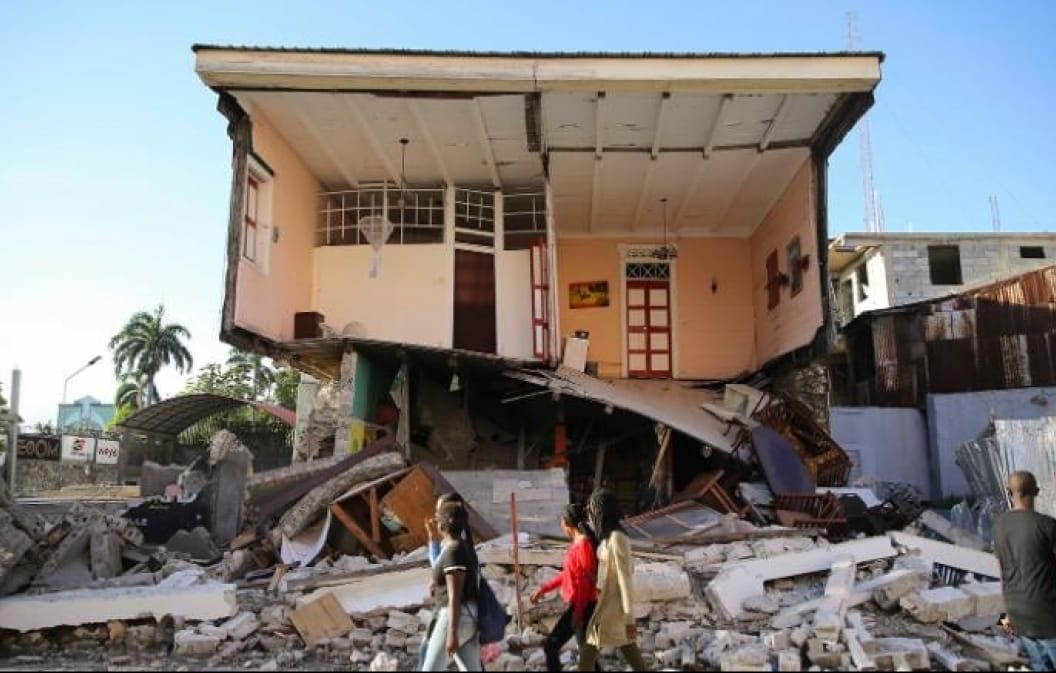
The country's hospitals are overcrowded with the injured, while armed gangs are hampering the delivery of humanitarian aid.
The destructive earthquake in Haiti has killed at least 1,297 people, while search and rescue operations are still under way and thousands of people are overwhelming local hospitals.
We explain how it all began, how the world has reacted to the tragedy and what consequences it may have for a country that had not fully recovered from previous similar disasters.
How it began
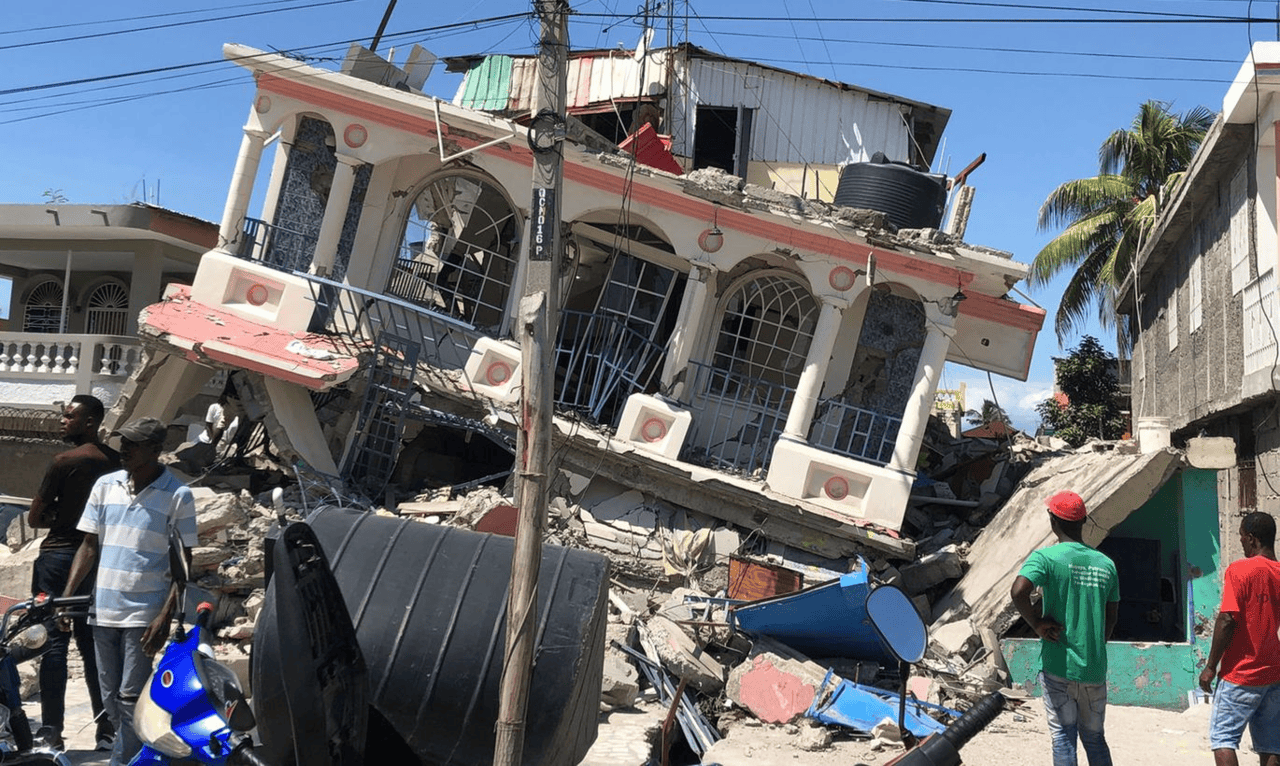
On August 14, residents of western Haiti were hit by a destructive natural disaster: an earthquake with a magnitude of 7.2. The largest number of destroyed buildings were in cities such as Les Cayes, Jacmel and Jeremie.
Tremors were also felt in the capital, Port-au-Prince, 125 km from the epicenter, and according to the US Geological Survey, the quake also affected other Caribbean countries, including the Bahamas, the Dominican Republic, Jamaica, Puerto Rico, the Turks and Caicos Islands, the US Minor Outlying Islands and Cuba.
Previous earthquakes
Many residents of Haiti say that this event is an echo of a similar tragedy that struck just 11 years ago. Back then, an earthquake with a magnitude of 7 left more than 1.3 million people homeless.
Thus, on January 12, 2010, an earthquake struck 22 km from the capital, Port-au-Prince, killing more than 230,000 people and injuring 311,000. To this day, 869 people are considered missing.
The material damage to the country was then estimated at €5.6 billion, and Haiti has never recovered, either economically or morally, since those days.
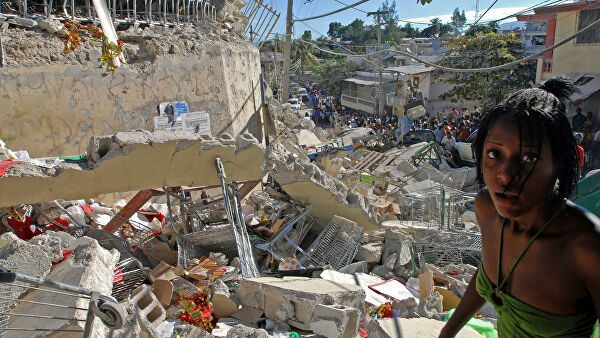
The next disaster occurred in 2018, when an earthquake with a magnitude of 5.6 killed several dozen people.
First reactions of the authorities
Immediately after the earthquake on August 14, Haiti's prime minister said he would mobilize all administration resources to overcome the consequences of the disaster.
The government also appealed to the international community for assistance in eliminating the consequences of the earthquake.
At present, rescuers are urgently trying to find as many survivors as possible under the rubble before another natural disaster hits the island: Tropical Storm Grace is expected on August 16.
According to official data, more than 7,000 residential buildings have been destroyed and another 5,000 severely damaged. Haiti has declared a state of emergency for one month.
International reaction
The exact scale of the material damage has not yet been precisely determined, but experts estimate it could deepen the crisis in one of the poorest countries in Central America. The country would hardly have coped alone without international assistance.
Thus, rescuers, medical personnel and supplies immediately began arriving from neighboring countries. A consignment of medicines and food was sent from the neighboring Dominican Republic.
Cuba, Mexico, Venezuela, Colombia and the United States also provided humanitarian supplies and personnel, while the UN pledged to allocate $8 million to Haiti for treating people, clean water, temporary shelters and sanitation.
US President Joe Biden also pledged urgent assistance to Haiti in treating the injured and rebuilding what was destroyed, and he appointed Samantha Power, head of the US Agency for International Development, as coordinator for the situation in Haiti.
Gang violence as an obstacle to delivering food and medicine
However, delivering supplies is not so simple: the main routes pass through the Martissant area, which connects the capital with the affected region and has been controlled by armed gangs since early June, who have blocked the road.
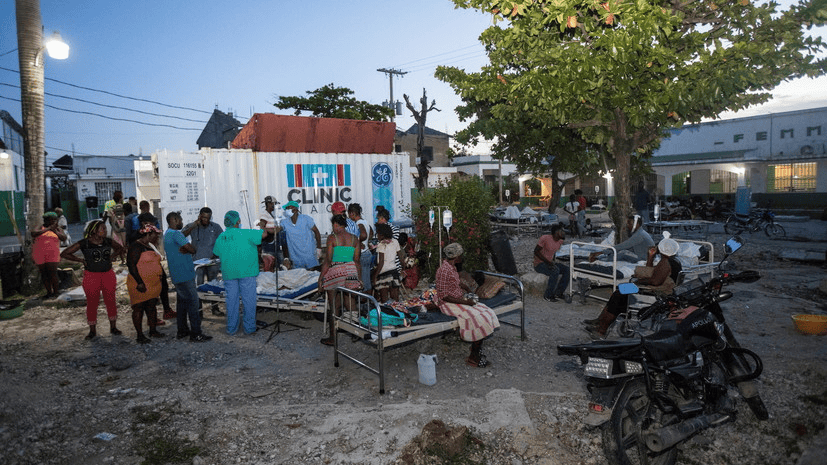
The UN has already called on the country's authorities to create a "humanitarian corridor" in this area. The organization tried to deliver medicines and doctors to Les Cayes, but had to do so by boat and by air.
"Everyone knows we have a problem with Martissant, but we decided that the aid must get through," said Haitian Prime Minister Ariel Henry at a press conference.
According to the prime minister, the police and the military will be tasked with solving this problem.

Russian Attacks in Dnipropetrovsk Region: Two Killed, Seven Injured

Defense Forces Strike Four Russian Drone Control Points in Past Day, Including in Berdiansk

Britain Threatens Sanctions on Kremlin-Linked People; Poland Ready to Hand Ukraine Ammunition

Russia says it has completed "planned exercises" in the Black Sea

MVD: Fake Riots With Prop Blood Were Being Prepared Near Presidential Office

Law Enforcers Name Another Klitschko Deputy as Suspect

Berlin Holds Protest Against War in Ukraine; EU Prepares for Possible Russian Halt of Gas Supplies
North Korea Fires Ballistic Missile Over Record Distance in Five Years
Irish Fishermen Force Russia to Postpone Naval Drills

US sanctions in case of invasion of Ukraine could completely destroy Russia's economy, NYT reports
