
Media: NATO May Deploy Troops to Bulgaria and Romania
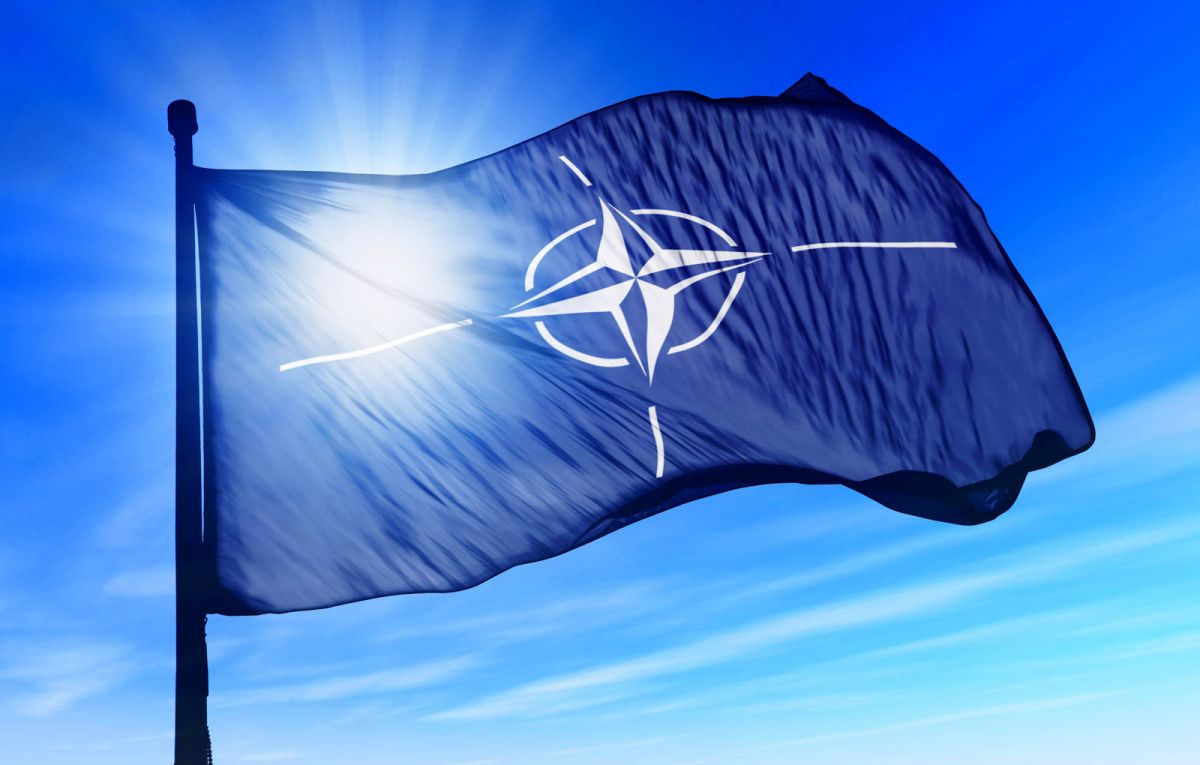
Defense ministers of Germany and Lithuania said Russia must not be allowed to tell NATO partners how to build their policies.
NATO's Supreme Allied Commander Europe, General Tod Walters, has proposed that the alliance set up military contingents in Bulgaria and Romania amid the buildup of Russian troops near Ukraine's borders. This is reported by Der Spiegel.
According to the newspaper, at a secret video conference with military commanders of NATO partner countries, Walters “called for strengthening troops on the alliance's eastern border.” The general reportedly proposed setting up contingents of about 1,500 personnel in Romania and Bulgaria.
Expanding NATO's presence in Romania and Bulgaria is proposed through the “Enhanced Forward Presence” mission. Under this program, in 2017 the alliance deployed military forces in the Baltic states and eastern Poland, which became the largest addition to the collective defense system since the end of the Cold War.
These NATO units train together with local forces, but in emergencies they will act as a kind of forward command or bridgehead for further strengthening of alliance forces.
The general noted that expanding the mission to NATO's southeastern flank is not a provocation. Increasing the military presence serves to reassure partner countries.
NATO will also continue to observe the so-called NATO-Russia Founding Act, which prohibits the permanent deployment of large military groups on the eastern flank. Because of this, troops are not permanently stationed in the Baltic states but are rotated regularly.
The newspaper writes that the NATO meeting discussed how to respond if Russia invades Ukraine. Walters was tasked with drafting proposals.
In his remarks, he noted that it is important for all NATO countries to use satellites and other means to monitor the situation in the region and to share observations within the alliance immediately. He also warned that the timelines for mobilizing the NATO Response Force must be adjusted.
Der Spiegel writes that the proposal he voiced to increase the number of troops on the eastern flank reportedly became a subject of dispute within NATO, but the alliance does not want to confirm this officially.
Supporters of the idea believe that expanding the mission on the eastern flank would be a signal to Moscow that the West is not merely watching Russia's deployment of army and heavy equipment near the Ukrainian border.
Some alliance members fear that the expansion of NATO military contingents could be perceived in the Kremlin as a provocation, since the Russian president said a few days ago that he intends to agree on security guarantees with the United States. This referred to NATO's promise not to move troops closer to Russia. Expanding the NATO mission to Bulgaria and Romania would contradict Moscow's demands.
Journalists said this topic will most likely be raised at the next meeting of NATO member state defense ministers. The alliance's press secretary did not answer the newspaper's specific questions on this matter. She said NATO will remain “vigilant” and will take “all necessary measures” to protect partners from any threat.
As a reminder, on December 17 the Russian Foreign Ministry published a draft treaty on “mutual security guarantees” with demands on the United States and NATO. Russia demands that the alliance stop expanding eastward and commit not to admit Ukraine.
Russia also demands that arms supplies to Ukraine be halted, that its contingent of military advisers and instructors be withdrawn, and that the alliance not take part in exercises on Ukrainian territory. The list includes a requirement to withdraw all troops and stop arms deliveries to countries that joined the alliance after 1997 — Poland, the Baltic states and the Balkan countries.
The draft treaty states that the parties undertake not to deploy medium- and shorter-range missiles in areas from which they could strike each other's territory, as well as to resolve all disputes peacefully and refrain from the use of force.
At the same time, the defense ministers of Germany and Lithuania said that Russia must not be allowed to dictate to NATO partners how to shape their policies, or to initiate the division of Europe into “spheres of influence.”
Christine Lambrecht
German Minister of DefenseWe must make it clear that Russia has no right to tell NATO partners how to behave. This question is not up for discussion at all.
Lithuanian Defense Minister Arvydas Anušauskas noted that Russia must not be allowed to set new “red lines”: “Europe cannot be divided into spheres of influence, and countries cannot be prevented from determining their own security policy.”
The minister stated that Russia is trying to split NATO, weaken the alliance's defenses on the eastern flank, and put an end to the U.S. presence in Europe.
Anušauskas said: “Such demands are unacceptable if we care about the security of our states.”

Russian Attacks in Dnipropetrovsk Region: Two Killed, Seven Injured

Defense Forces Strike Four Russian Drone Control Points in Past Day, Including in Berdiansk

Britain Threatens Sanctions on Kremlin-Linked People; Poland Ready to Hand Ukraine Ammunition

Russia says it has completed "planned exercises" in the Black Sea

MVD: Fake Riots With Prop Blood Were Being Prepared Near Presidential Office

Law Enforcers Name Another Klitschko Deputy as Suspect

Berlin Holds Protest Against War in Ukraine; EU Prepares for Possible Russian Halt of Gas Supplies
North Korea Fires Ballistic Missile Over Record Distance in Five Years
Irish Fishermen Force Russia to Postpone Naval Drills

US sanctions in case of invasion of Ukraine could completely destroy Russia's economy, NYT reports
