
NATO Sends Additional Ships and Fighter Jets to Eastern Europe
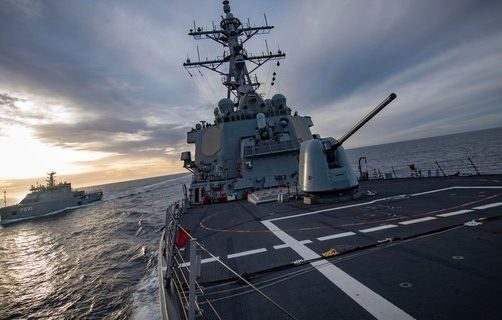
The North Atlantic alliance is putting forces on standby and strengthening its presence in Eastern Europe.
The North Atlantic alliance has decided to send additional warships and fighter jets to its contingent positions in Eastern Europe.
This is stated in the alliance's statement of January 24. The deployment, it says, is aimed at strengthening deterrence and the defense of allies, as Russia continues to build up troops near Ukraine's borders.
In recent days, several alliance members have announced current or upcoming deployments.
Denmark is sending a frigate to the Baltic Sea and plans to send four F-16 fighter jets to Lithuania in support of NATO's air defense mission in the region.
Spain is sending ships that will join NATO naval forces and is considering sending fighter jets to Bulgaria.
France has expressed readiness to send troops to Romania under NATO command.
The Netherlands, starting in April, is sending two F-35 fighter jets to Bulgaria to support NATO air policing in the region. It is also putting a ship and ground units on standby for NATO's response forces.
The United States has also indicated that it is considering increasing its military presence in the eastern part of the alliance.
NATO Secretary General Jens Stoltenberg noted that "NATO will continue to take all necessary measures to protect all allies, in particular by strengthening the eastern part of the alliance."
Jens Stoltenberg
NATO Secretary GeneralI welcome that allies are contributing to the buildup of NATO's military forces. NATO will continue to take only the necessary measures to protect all allies, including through strengthening the eastern part of the Alliance. We will always respond to any threats to our security environment, including by strengthening collective defense.
At the same time, NATO recalls that it is a defensive alliance and has strengthened its presence on the eastern flank, primarily after Russia's illegal annexation of Crimea in 2014.
As the Alliance notes, the presence of troops from several member states in the Baltic countries, as well as Poland, means that "an attack on one NATO member will be considered an attack on the entire Alliance," and until 2014 there were no NATO troops on the territory of its eastern members.
US President Joe Biden, for his part, is considering deploying several thousand soldiers, as well as military ships and aircraft of NATO allies, to the Baltic countries and Eastern Europe, reports The New York Times, citing its sources.
The newspaper specifies that the US military presence in Europe may expand amid reports of a possible Russian invasion of Ukraine.
According to journalists, the US Department of Defense has presented Biden with options for sending 5,000 troops to Eastern Europe.
If the situation worsens, the contingent could be increased many times over, The New York Times writes. Some troops could be sent from the US, and some redeployed from European countries. None of the options provides for sending soldiers to Ukraine.
The New York Times' sources note that Biden may decide to increase the military contingent this week. According to sources in the White House, Russian President Vladimir Putin wanted to avoid the presence of American troops in Lithuania, Latvia and Estonia.
In response to Russia's occupation of Ukraine's Crimea in 2014, NATO increased its presence in the eastern part of the alliance, creating four multinational battle groups in Estonia, Latvia, Lithuania and Poland.
The units are led by the United Kingdom, Canada, Germany and the United States, respectively.

Russian Attacks in Dnipropetrovsk Region: Two Killed, Seven Injured

Defense Forces Strike Four Russian Drone Control Points in Past Day, Including in Berdiansk

Britain Threatens Sanctions on Kremlin-Linked People; Poland Ready to Hand Ukraine Ammunition

Russia says it has completed "planned exercises" in the Black Sea

MVD: Fake Riots With Prop Blood Were Being Prepared Near Presidential Office

Law Enforcers Name Another Klitschko Deputy as Suspect

Berlin Holds Protest Against War in Ukraine; EU Prepares for Possible Russian Halt of Gas Supplies
North Korea Fires Ballistic Missile Over Record Distance in Five Years
Irish Fishermen Force Russia to Postpone Naval Drills

US sanctions in case of invasion of Ukraine could completely destroy Russia's economy, NYT reports
