
September 11, 2001 saw the largest terrorist attack in history: figures, consequences and American unity
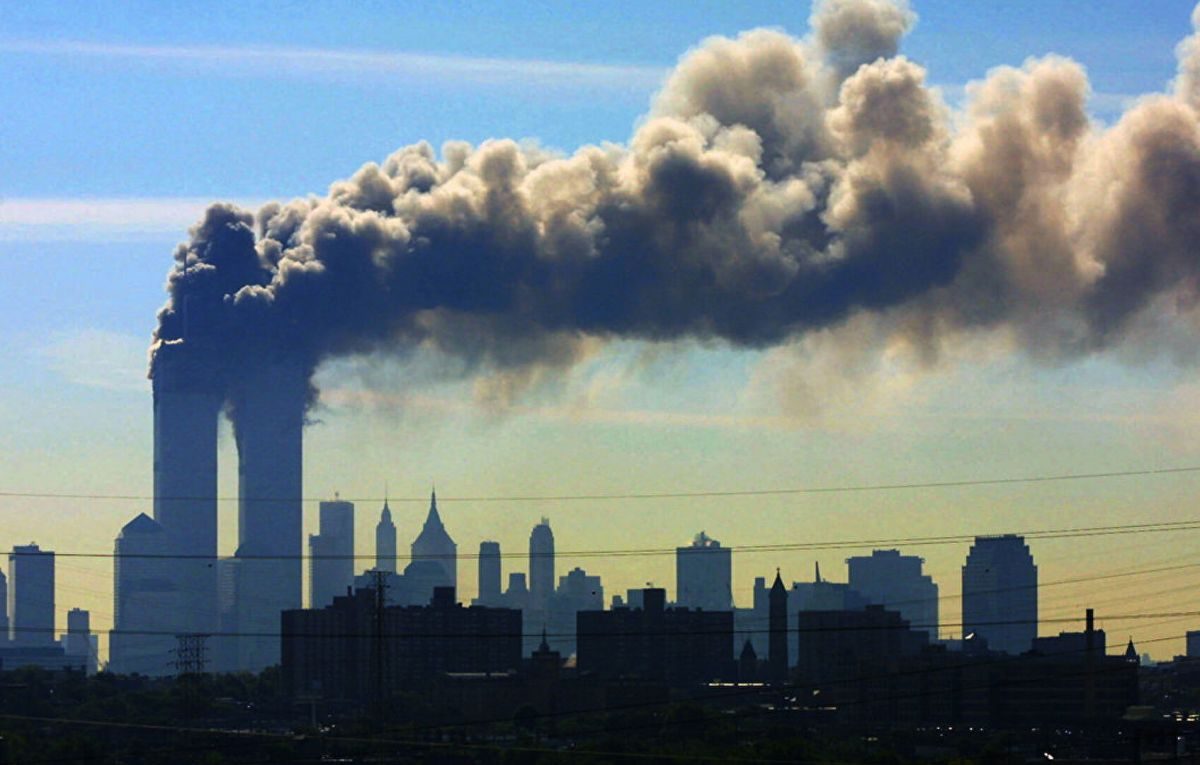
The United States responded to the attacks with a "war on terror."
On September 11, 2001, the largest terrorist attack in history took place: members of the terrorist organization al-Qaeda hijacked four passenger planes in the United States. Two planes crashed into the Twin Towers of the World Trade Center in New York, one into the Pentagon building, and another crashed in Pennsylvania.
On the 20th anniversary of the tragic event, we recall what preceded the attack, what its consequences were, and present 20 years of the fight against terrorism in numbers.
What preceded the September 11 attacks
The first terrorist attacks and attempted attacks against Americans and their "accomplices" were organized in the 1990s by the founders of al-Qaeda, Osama bin Laden and his associate Khalid Sheikh Mohammed.
The idea of the new radical group was that Americans had defiled the holy mosque in Mecca when they sent troops into Saudi Arabia in 1991, Israel continued its "occupation" of the Al-Aqsa Mosque in Jerusalem, and the authorities of various Muslim countries not only helped the "infidel" Americans but were themselves apostates, not observing Sharia law.
In 1993, al-Qaeda militants set off a truck bomb in the underground garage of the World Trade Center, killing six people. In 1994, Sheikh Mohammed planned a series of attacks, but the plot was uncovered. In 1998, bin Laden and his associates from Egypt organized powerful explosions at US embassies in Kenya and Tanzania.
Osama bin Laden declared jihad against Americans and Israelis: "The International Islamic Jihad has declared jihad against the United States and its allies, and these actions took place with God's help. If inciting jihad against Jews and Americans is considered a crime, then I am a criminal. Our task is to call for jihad, and with God's help we are doing so."
The attack and the search for al-Qaeda
On September 11, 2001, a group of al-Qaeda militants hijacked four planes, two of which crashed into the Twin Towers of the World Trade Center in New York, one into the Pentagon building, and a fourth (which was to be directed either at the White House or the Capitol) crashed in Pennsylvania.
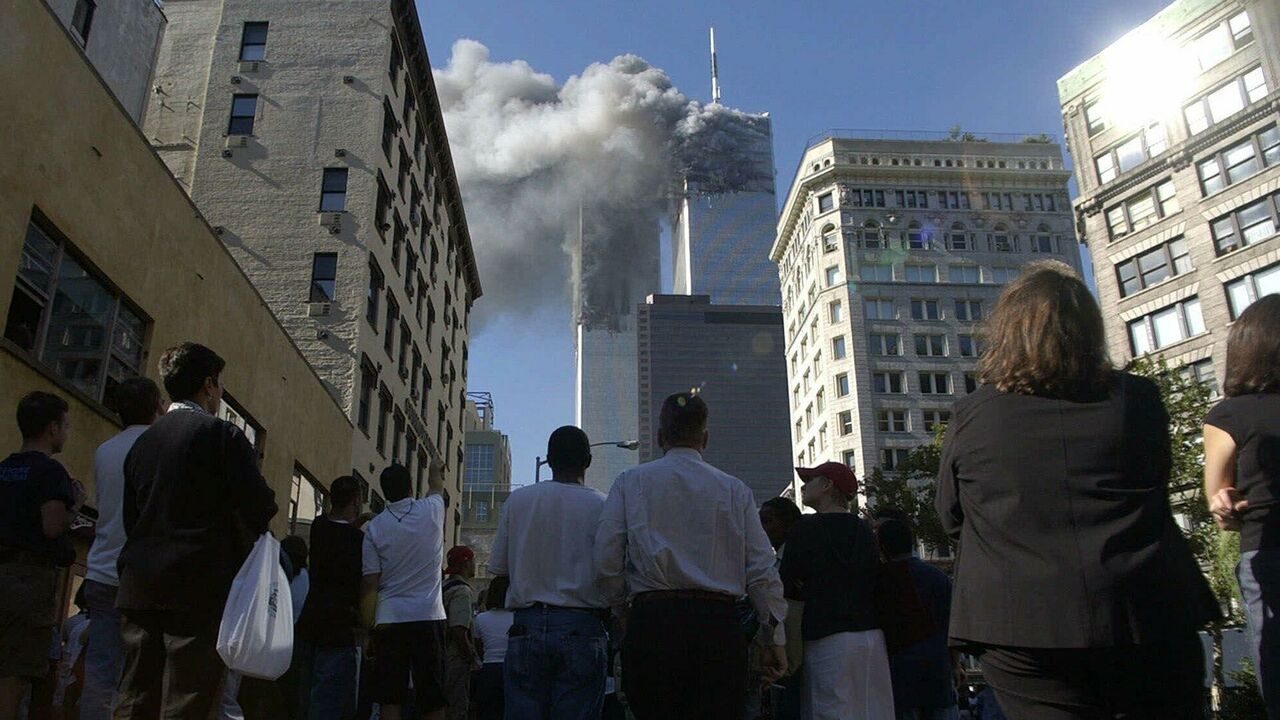
The United States declared a "war on terror": in October 2001, bombing of Afghanistan began, in November the Taliban were driven out of Kabul, but bin Laden managed to escape from his refuge in the mountains of Afghanistan.
In 2002, al-Qaeda carried out new attacks, after which it became clear that it was a global network of radical organizations united by common leadership and financing. In 2003, US President George W. Bush decided to invade Iraq with a US-led coalition, accusing dictator Saddam Hussein of links to terrorists.
Only after Hussein's overthrow did al-Qaeda actually establish a terrorist movement in Iraq in 2004. Ultimately, the organization was defeated after several large-scale and bloody operations for the American army. In 2006, the group's main leadership was destroyed, and the remnants of the organization were renamed the "Islamic State." In 2011, American special forces killed Osama bin Laden in Pakistan.
Figures
- 1106 of 2977 victims of the September 11, 2001 attacks have still not been identified
- 250,000 people have been killed in the combat zone in Afghanistan and Pakistan since 2001 (71,000 of them civilians)
- 151,000 people were killed in Iraq from 2003 to 2006
- 2,500 military personnel and about 4,000 American civilian contractors working in Afghanistan were killed over 20 years of war
- 53 countries have sent their military to Afghanistan since 2001
- $2.26 trillion was spent by the United States on the war in Afghanistan over 20 years
- 41 times US presidents have used the authority for military intervention granted on September 18, 2001
- 62% of Americans in 2021 believe the war in Afghanistan was a mistake
- Literacy in Afghanistan rose by 9% over 20 years of war
- 130,000 civilians were evacuated from Afghanistan in summer 2021 after the Taliban offensive began
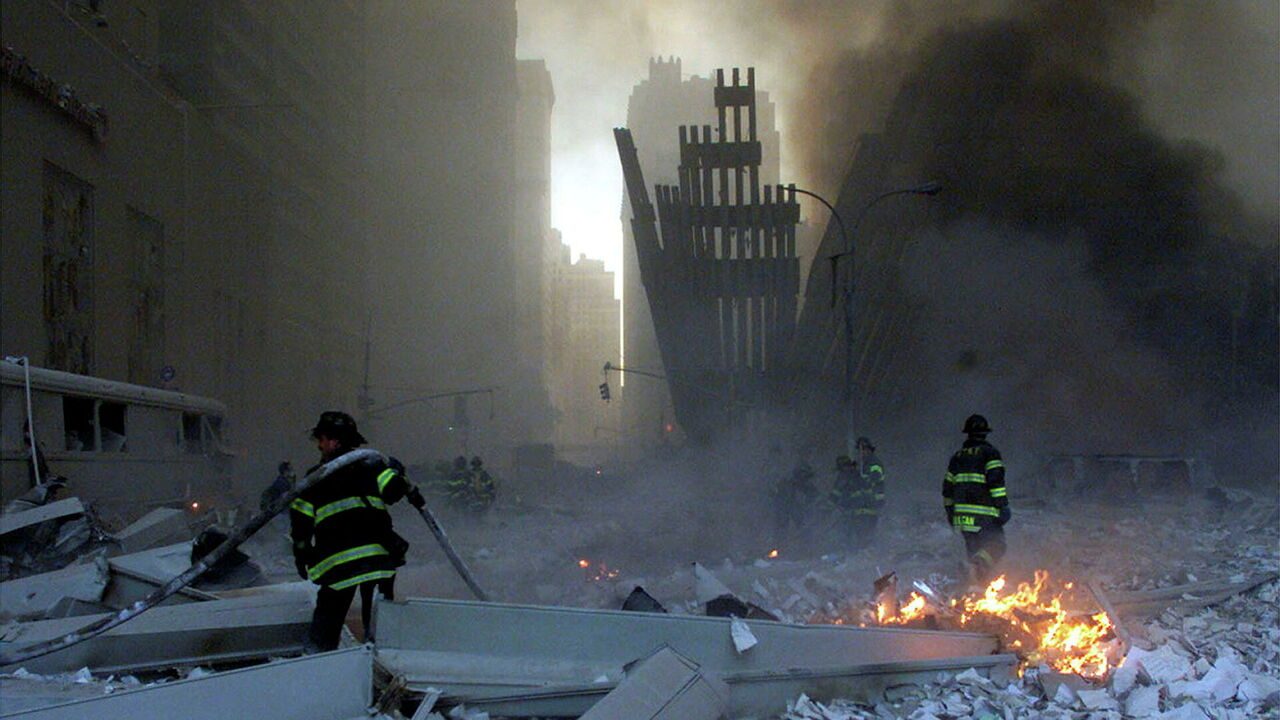
Biden called on the nation to unite
US President Joe Biden, on the 20th anniversary, addressed the nation, stating that for the United States that day became the greatest force uniting America.
Joe Biden
President of the United StatesFor me, September 11 is the main lesson. Its essence is that in the most vulnerable moments, in the battle for the soul of America, unity is our greatest strength. Unity does not mean that we must believe the same thing. We must have fundamental respect and faith in each other and in this nation.
He noted that "fear and anger, outrage and violence have failed to undermine America's unity."
On September 11, 2021, the US president and first lady will visit the memorial at the site of the Twin Towers in New York, the Pentagon, and the field in Pennsylvania where United Airlines Flight 93 crashed.
At 8:46 a.m. local time in New York, a memorial ceremony will begin — the exact time the first hijacked plane crashed into the north tower of the trade center. At this ceremony, the names of all the victims will be read. World leaders will deliver words of support.

Russian Attacks in Dnipropetrovsk Region: Two Killed, Seven Injured

Defense Forces Strike Four Russian Drone Control Points in Past Day, Including in Berdiansk

Britain Threatens Sanctions on Kremlin-Linked People; Poland Ready to Hand Ukraine Ammunition

Russia says it has completed "planned exercises" in the Black Sea

MVD: Fake Riots With Prop Blood Were Being Prepared Near Presidential Office

Law Enforcers Name Another Klitschko Deputy as Suspect

Berlin Holds Protest Against War in Ukraine; EU Prepares for Possible Russian Halt of Gas Supplies
North Korea Fires Ballistic Missile Over Record Distance in Five Years
Irish Fishermen Force Russia to Postpone Naval Drills

US sanctions in case of invasion of Ukraine could completely destroy Russia's economy, NYT reports
